Ekspert soovitab: Korras kodu algab detailselt planeeritud panipaigast
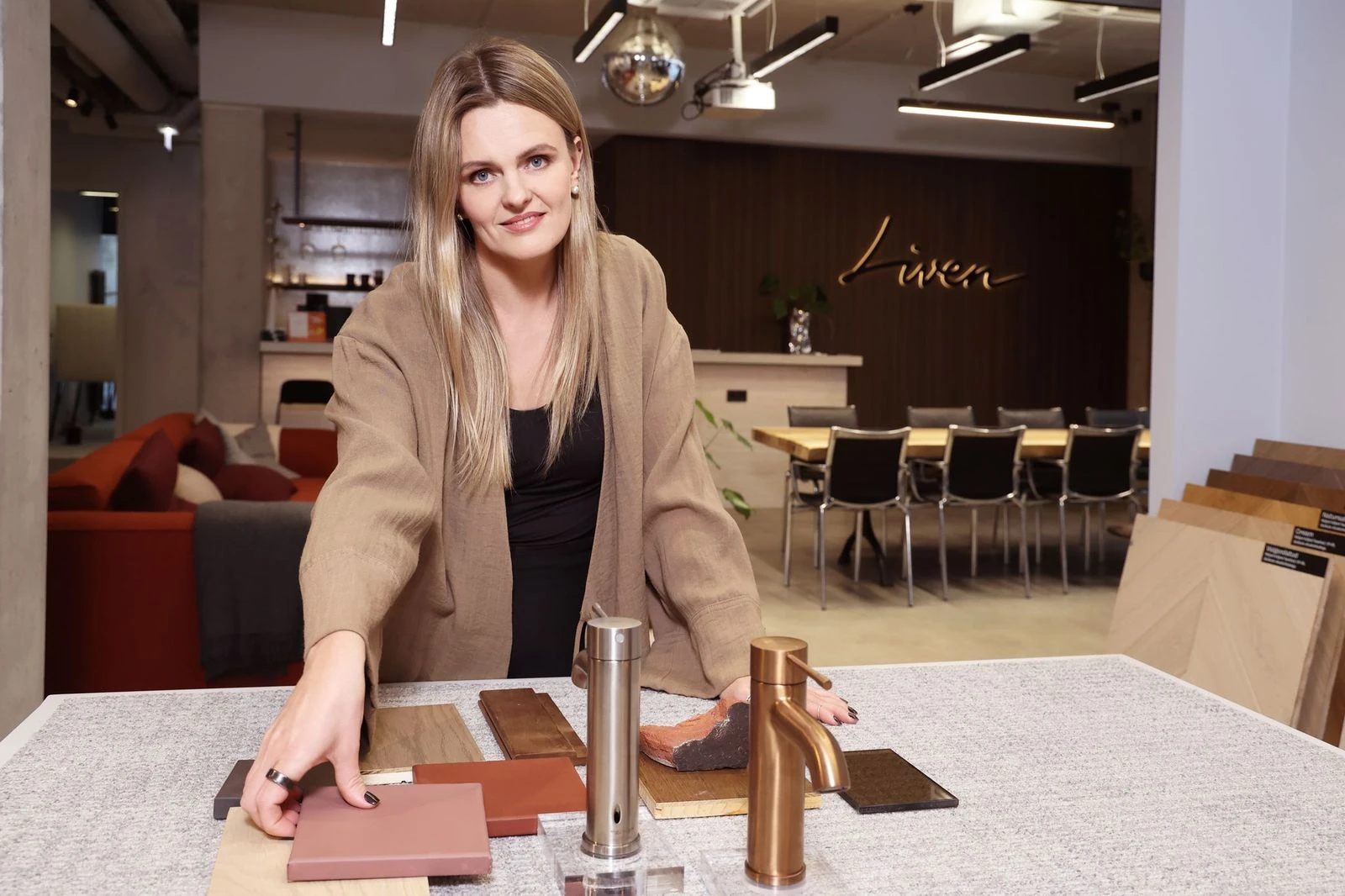
Kodu korras hoidmine on paljudele igapäevane väljakutse. Kui panipaigad ja hoiustamislahendused pole hästi läbi mõeldud, kipuvad asjad kiiresti nähtavale kuhjuma. Liveni loovjuht Alina Kester selgitab, kuidas planeerida hoiustamisruumi ja panipaiku nii, et igal esemel oleks oma kindel koht.
„Mida rohkem on kodus elanikke, seda rohkem koguneb ka asju. Kõigil on oma isiklikud tarbeesemed, hobivarustus või mänguasjad ja suuremas kodus kipub ajapikku lisanduma kodutehnikat ning koristus- ja puhastusvahendeid. Ajaga muutuvad huvid ja vajadused ning see nii-öelda kultuurkiht hakkab ühel hetkel paratamatult kontrolli alt väljuma,“ rääkis Liven AS-i loovjuht Alina Kester.
Alina Kesteri sõnul on rohkest kapiruumist alati abi, kuid veel süsteemsem lahendus on eraldi majapidamisruum või panipaik. Selle tasub läbi mõelda juba kodu kavandamise faasis, arvestades nii ruumi kasutust kui ka seda, millised esemed peres hoiustamist vajavad.
„Majapidamisruumi planeerimisel tasub alustada suurematest esemetest. Esmalt võiks paika panna pesumasina, kuivati või ventilatsiooniagregaadi asukohad, sest need võtavad palju ruumi ning vajavad vee- ja elektriühendusi. Samuti on oluline jätta seadmete ümber piisavalt ruumi, et neid oleks lihtne kasutada ja hooldada. Tasub läbi mõelda, kas pesumasinale pääseb hästi ligi ja kas ruumis mahub liikuma ka siis, kui süles on suur pesuhunnik,“ selgitas Alina Kester.
Soovitus: Majapidamisruumi uks võiks avaneda väljapoole ning ukse valikul tasub arvestada ka helipidavusega, sest pesumasin, kuivati ja ventilatsiooniseade tekitavad paratamatult müra!
Pesumasina, kuivati või valamuga majapidamisruumis, kus on veeühendused, tuleks kindlasti rajada avariitrapp. Samuti tasub eelistada plaaditud põrandat, sest seda on lihtne puhastada ning väiksem leke või veeõnnetus ei riku pinda..
„Väiksemas majapidamisruumis ei ole seinu mõistlik plaatida, sest plaaditud seina puhul on iga riiuli või nagi lisamine tülikas. Suuremas ruumis, kus on näiteks valamu, võib keraamiline plaat aga olla otstarbekas, sest see kaitseb seinu niiskuse eest ja muudab pinnad hõlpsamini puhastatavaks. Keraamilist plaati eelistatakse sageli ka esteetilistel põhjustel,“ märkis Alina Kester.
Panipaiga ja majapidamisruumi valgustuses tasub eelistada tugevat ja praktilist üldvalgust, mis aitab asju kiiresti leida.
„Kui majapidamisruum pole väga suur, tasub kaaluda liikumisanduriga valgustust. Kui süles on pesu või on vaja midagi kiiresti võtta, on mugav, kui tuli süttib ise ja lülitub ruumist lahkudes automaatselt välja. Nii ei jää valgusti asjatult põlema ja elektrit kulub vähem,“ lisas Alina Kester.
Kui suured esemed ja nende kasutamine on läbi mõeldud, tasub järgmisena planeerida kapid ja riiulid, soovitab Alina Kester. Selleks on mõistlik teha nimekiri suurematest esemetest, mis hoiustamist vajavad, ning need ka üle mõõta. Mida täpsemalt tead, kui palju ruumi võtavad näiteks reisikohvrid, spordivarustus või tolmuimeja, seda paremini saab panipaiga läbi mõelda.
Soovitus: Planeerimisel võib abi olla Pinterestist, mille AI-põhine lahendus pakub õige küsimuse korral väga detailseid ja mitmekesiseid ideid. Samuti saab ChatGPT-ga läbi arutada, kuidas majapidamises asju paremini korrastada.
„Riiulid võiksid olla reguleeritava kõrgusega, sest aja jooksul vajadused muutuvad ja esialgne paigutus ei pruugi mõne aasta pärast enam sobida. Kindlasti tuleks kontrollida riiulite kandevõimet. Suurte ja kergete esemete puhul sellest enamasti probleemi ei teki, kuid paljud väikesed asjad võivad kokku anda üllatavalt suure kaalu. Seetõttu tasub valida tugev lahendus, et riiulid aja jooksul läbi ei vajuks,“ rõhutas Alina Kester
Lisaks riiulitele tasub Alina Kesteri sõnul planeerida ruumi ka nagidele ja muudele seinale paigutatavatele lahendustele. Näiteks on varstolmuimejat mugav seinalt võtta ja sinna kiiresti tagasi panna. Seeläbi jääb põrandapinda rohkem vabaks ning koristamine on lihtsam. Seinale saab riputada ka pesuresti või varu-klapptoole, nii ei pea kartma, et need jäävad ruumis liikudes jalgu.
„Asjade paigutamisel kappidesse ja riiulitele tasub kasutada hoiukarpe. Eriti praktilised on läbipaistvad karbid, sest nende sisu on kohe näha ja vajalikku on lihtsam leida. Harvem kasutatavate esemete, näiteks jõuluehete puhul on mõistlik lisada karpidele ka sildid. Selge süsteem aitab igal pereliikmel vajaliku üles leida, mitte ainult sellel, kes asjad ära paigutas,“ soovitas Alina Kester.
Plastikkarpide puhul soovitab Kester valida küljelt lukustatava kinnitusega lahendus, seda eriti kõrgemate riiulite puhul – nii võid olla kindel, et kast on kindlalt suletud ja selle sisu ei pudene riiulilt võttes laiali.
„Enne poodi minekut tasub kodus läbi mõelda, kui palju ja millises suuruses karpe vaja on. Samuti tuleks üle mõõta riiulid, et uued karbid sinna kindlasti sobiksid. Nii väldid olukorda, kus alles kodus selgub, et valitud lahendus ei sobi. Hinnavõrdlus on samuti oluline, sest täpselt samasuguse toote hind võib eri müüjate vahel märgatavalt erineda,“ soovitas Alina Kester.