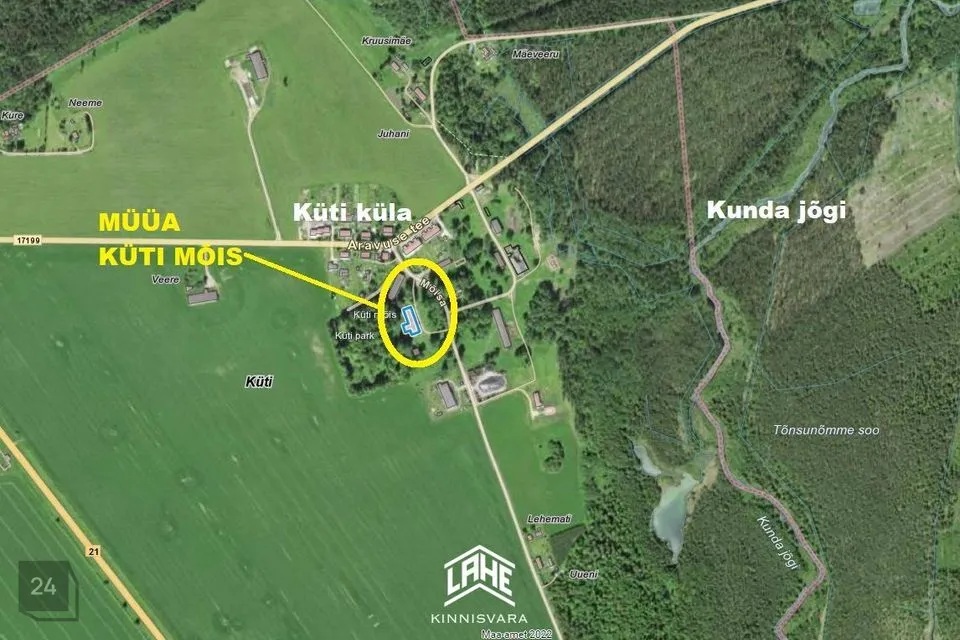



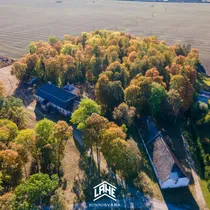
Müüa Küti mõisa peahoone, ait ja jääkelder 2,3ha maa-alaga Lääne-Virumaal Vinni vallas Küti külas!
Küti mõis (saksa k Kurküll) oli rüütlimõis, mida esmakordselt mainiti 1473.aastal.
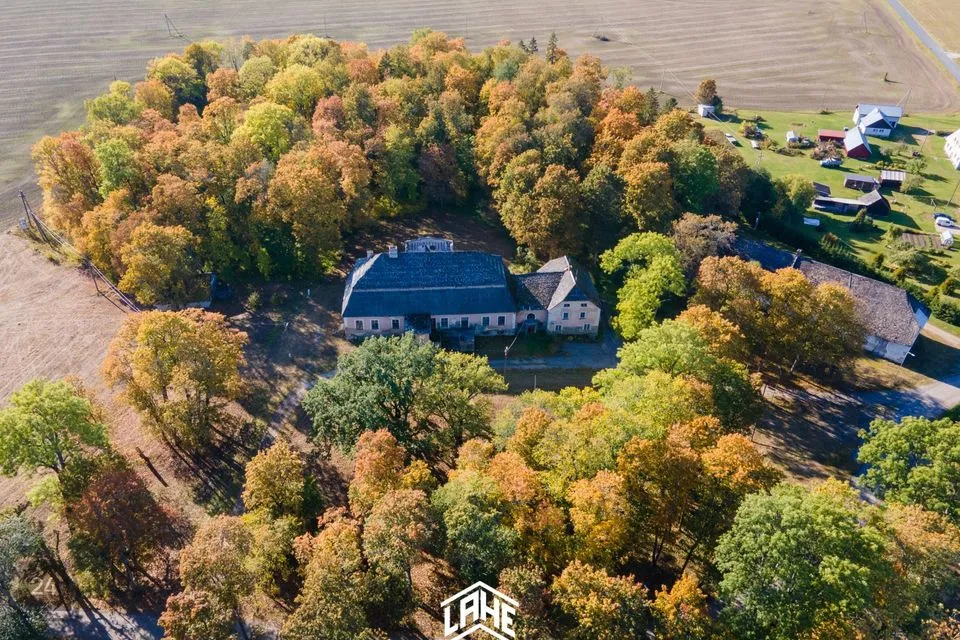
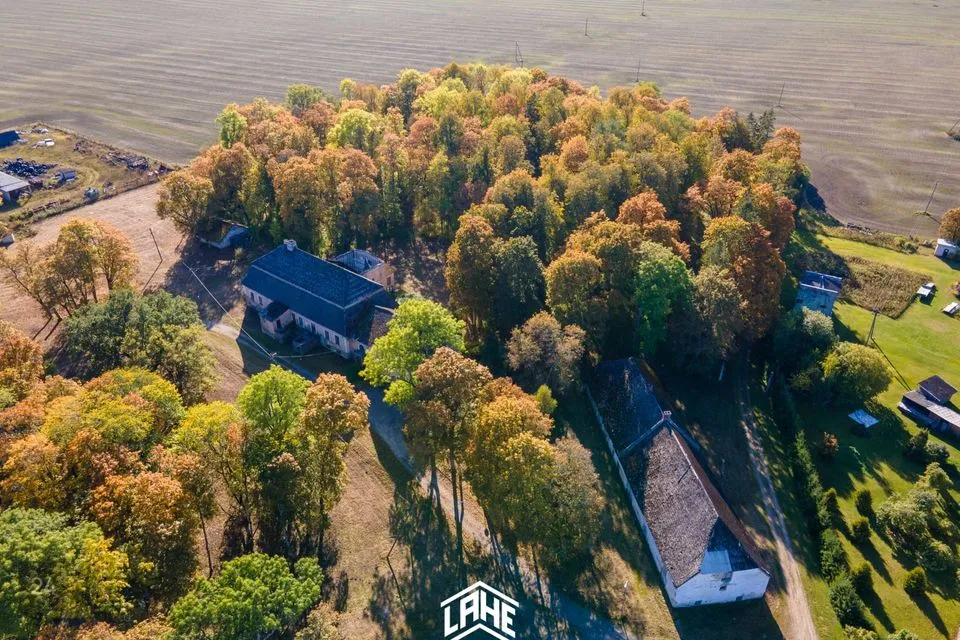
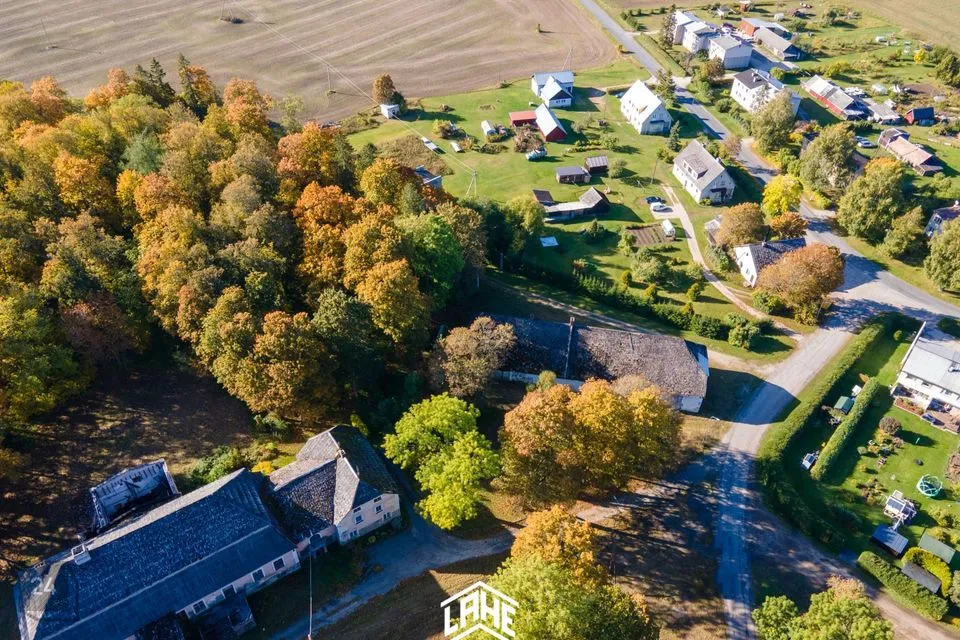
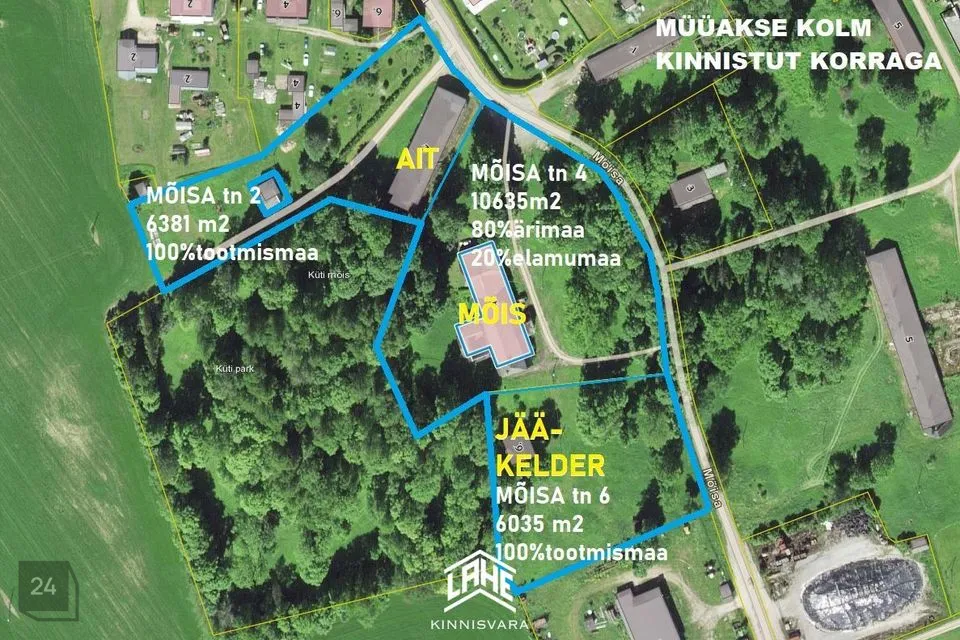
Ühtse objektina on pakkumises kolm järjestikku asuvat kinnistut:
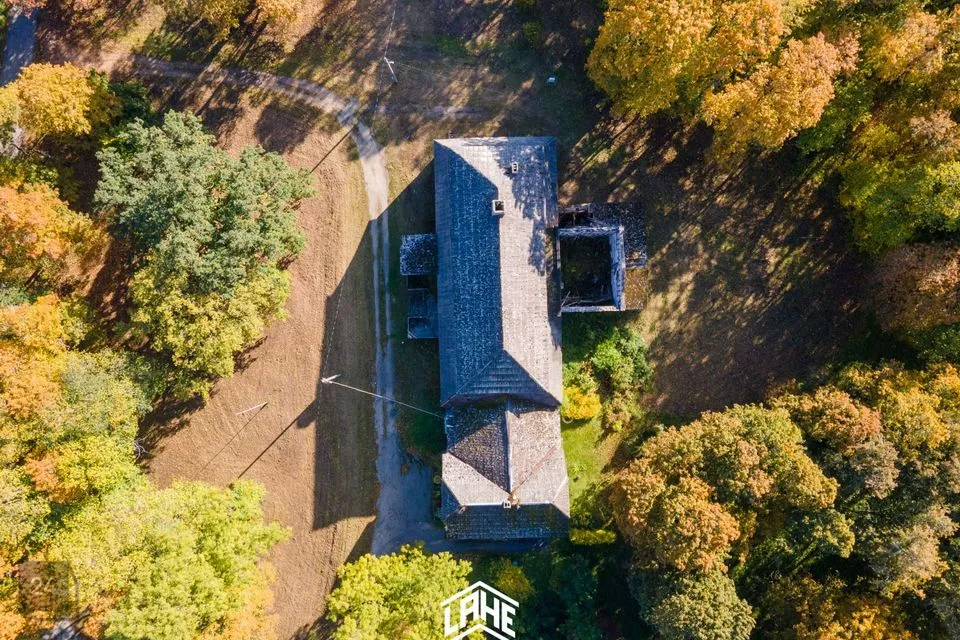
1) Mõisa tn 4, Küti külas, mille pindala on 10635m2, sihtotstarve 80% ärimaa ja 20% elamumaa.
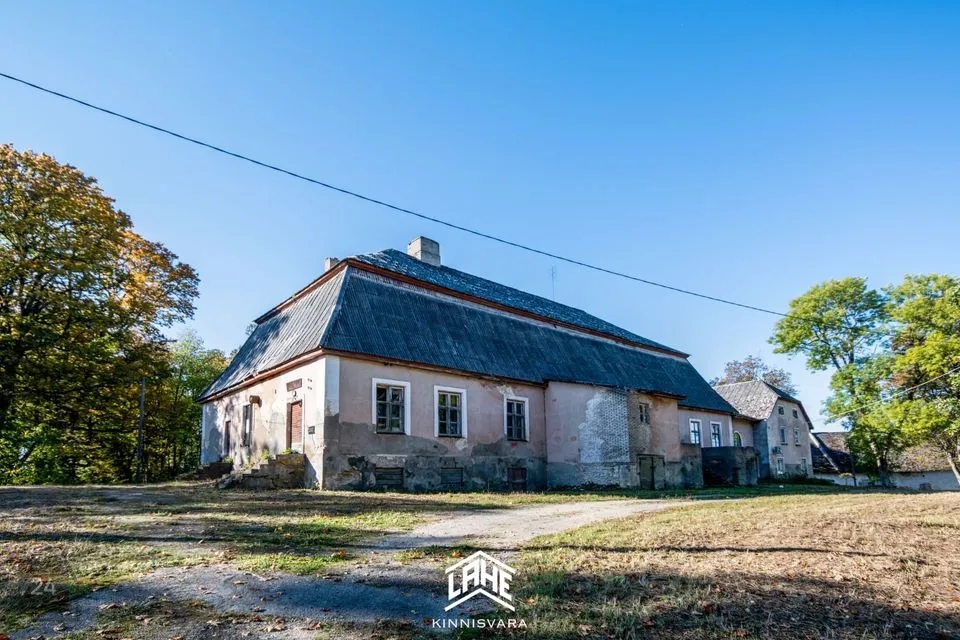
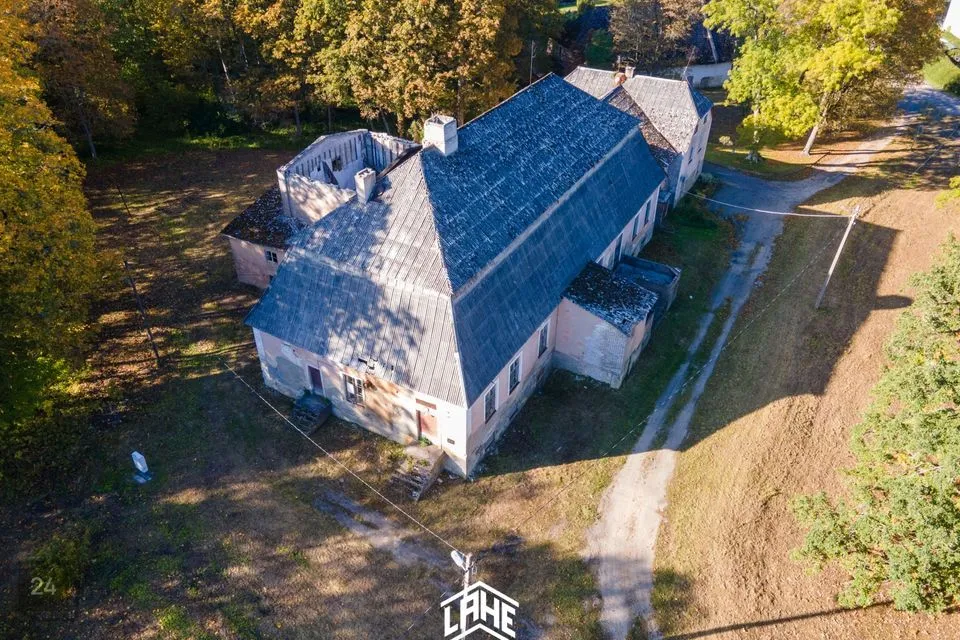
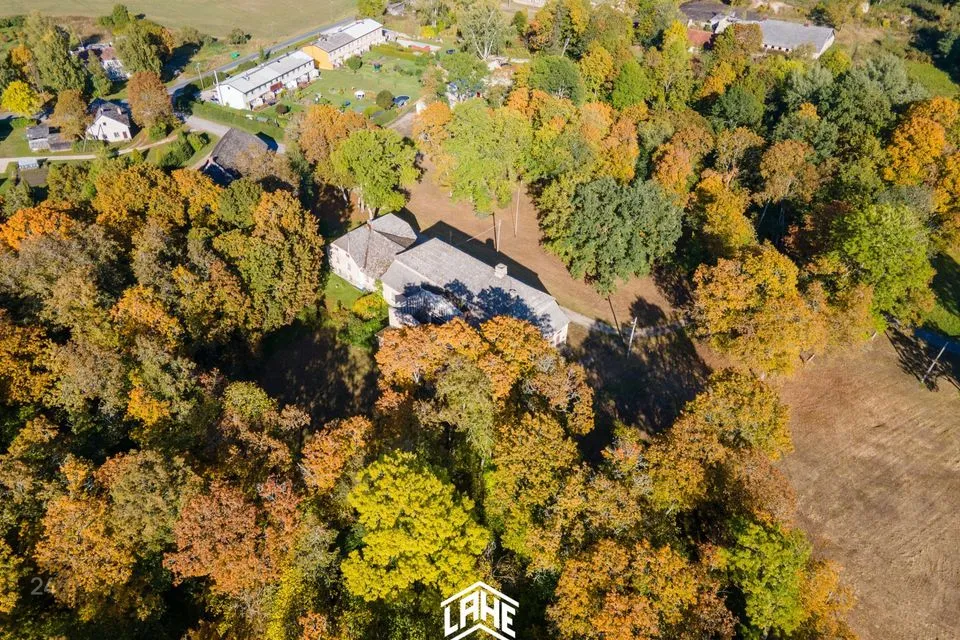
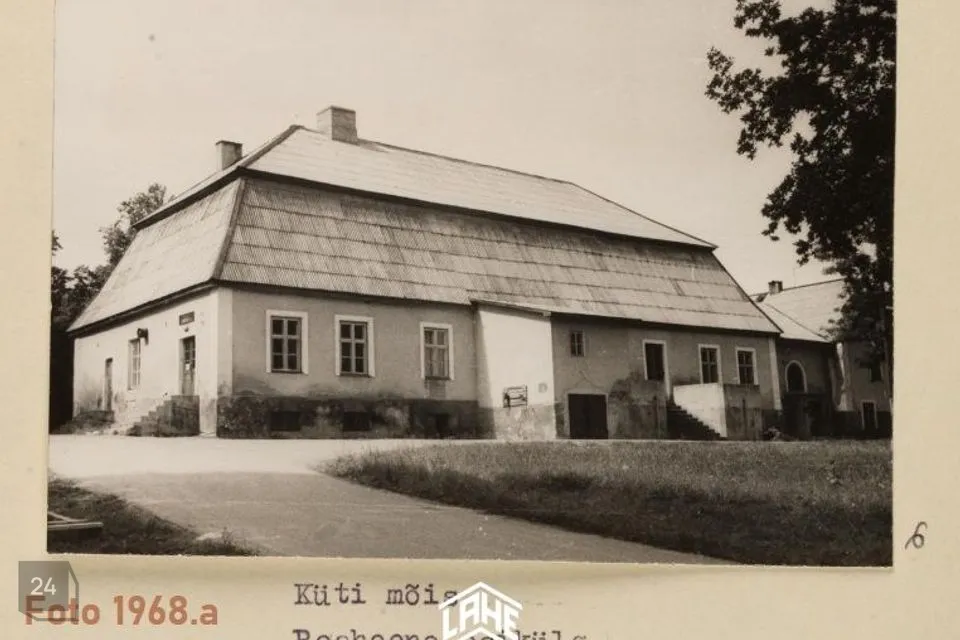
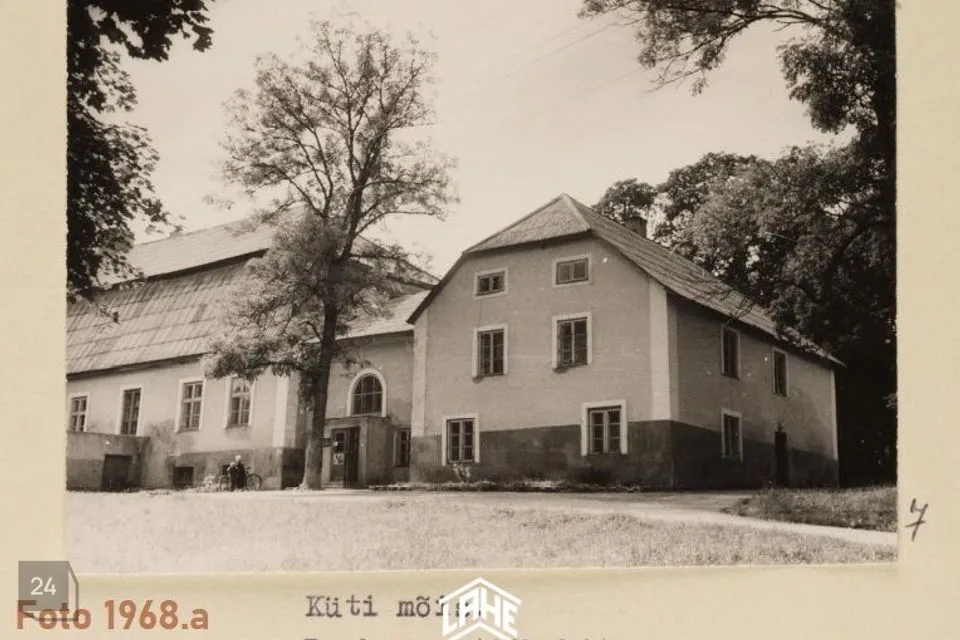
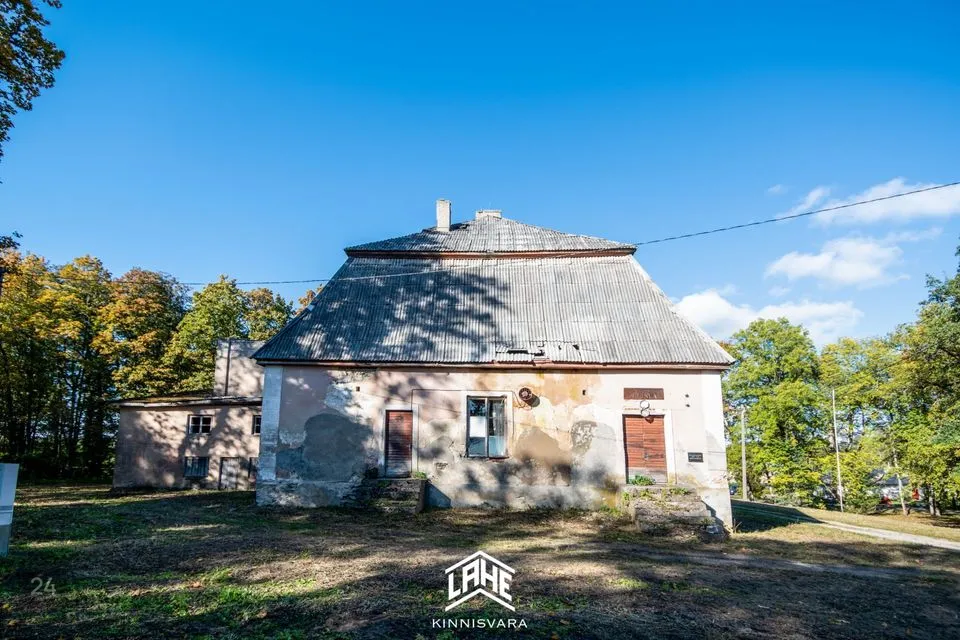
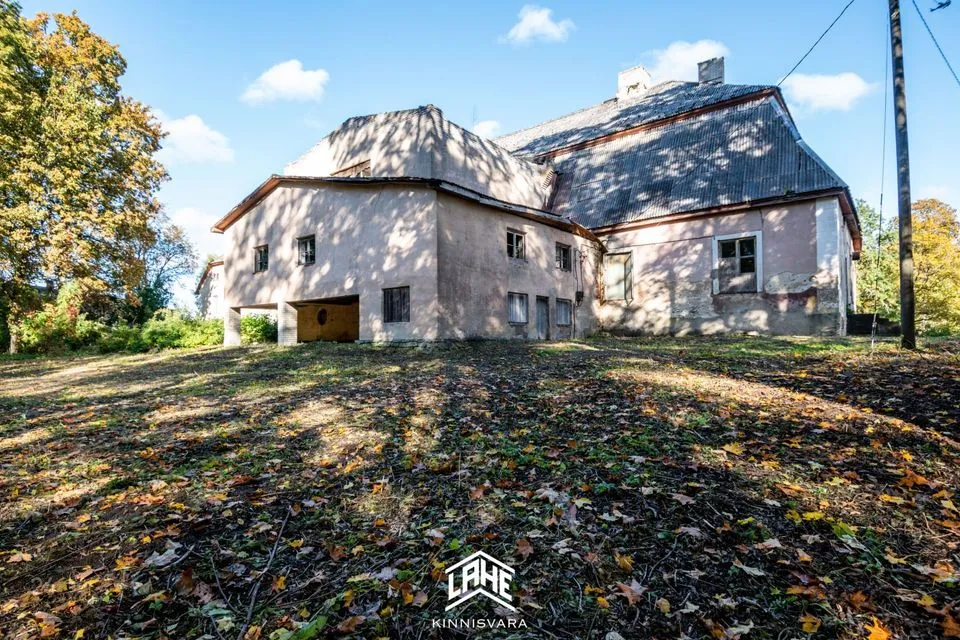
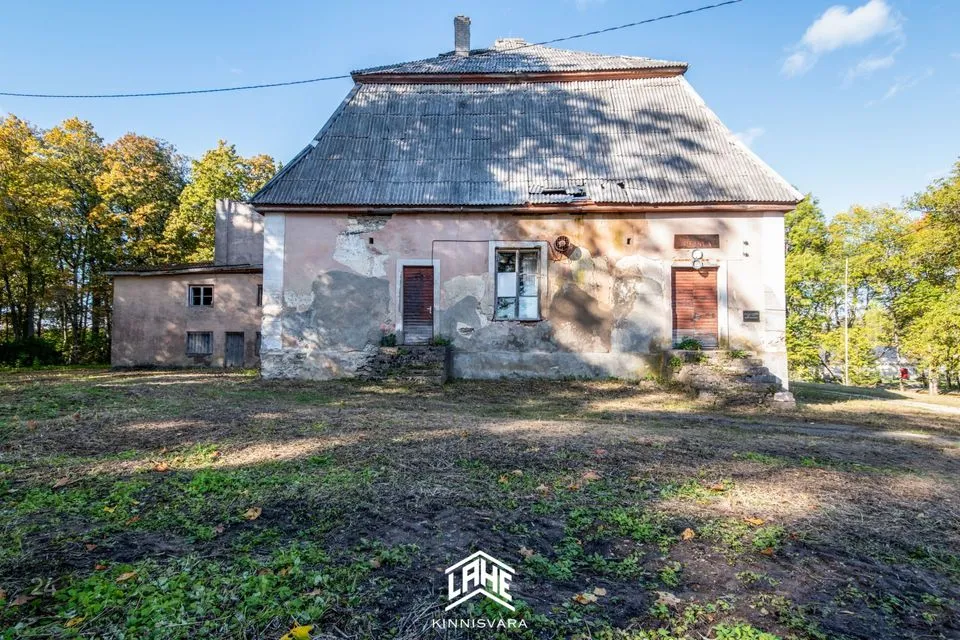
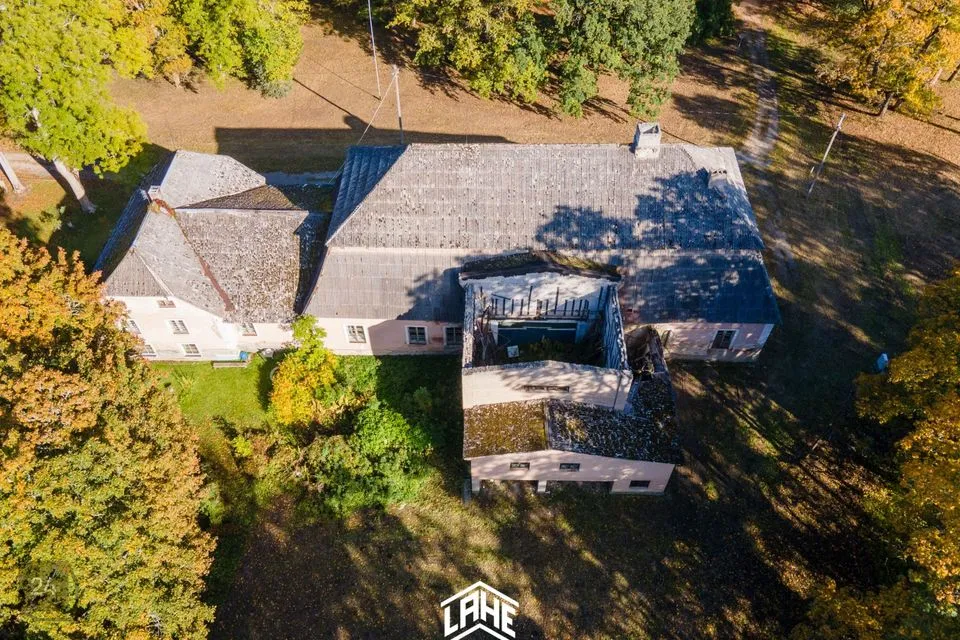
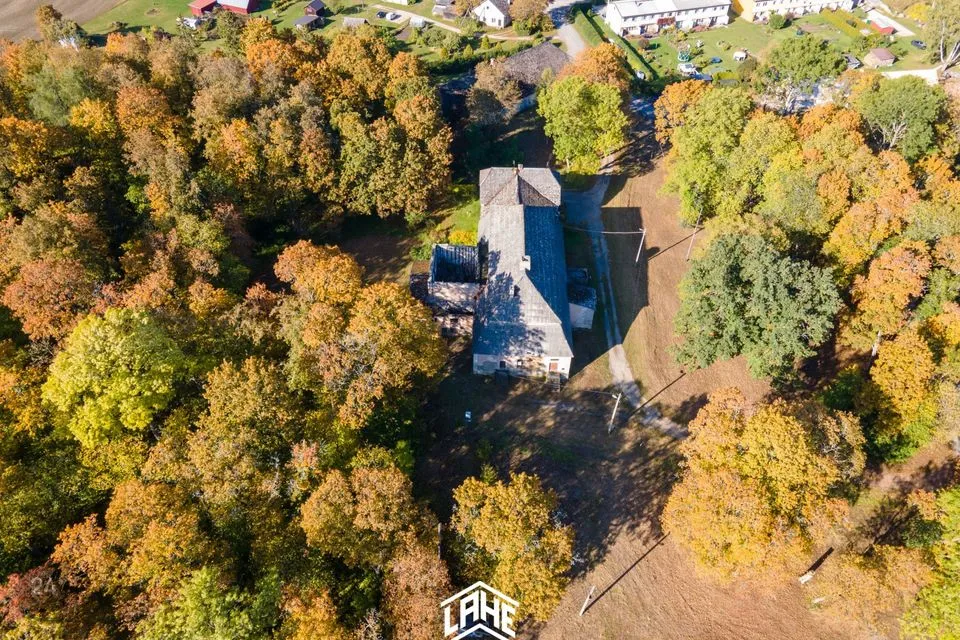
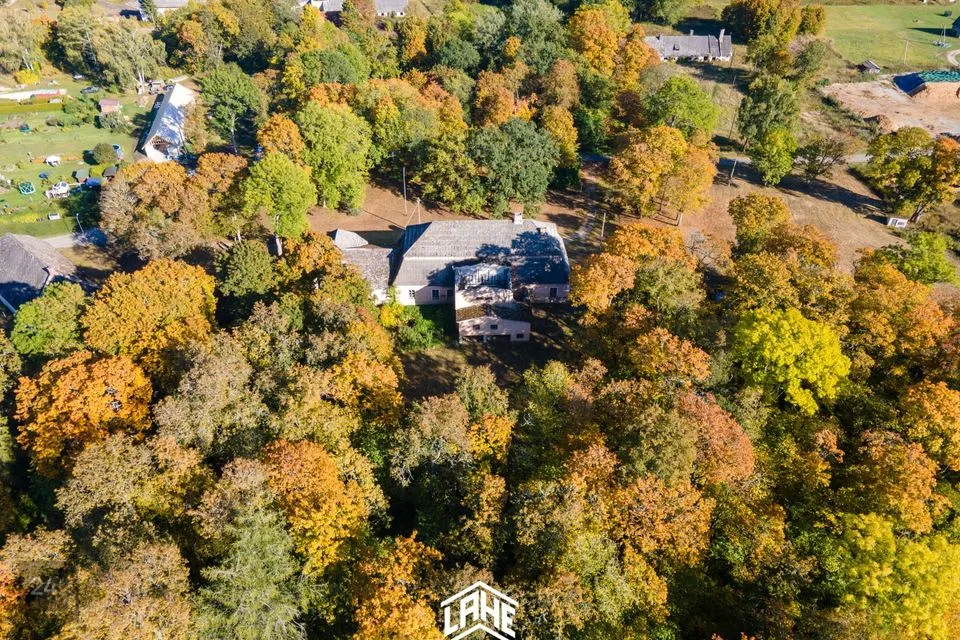
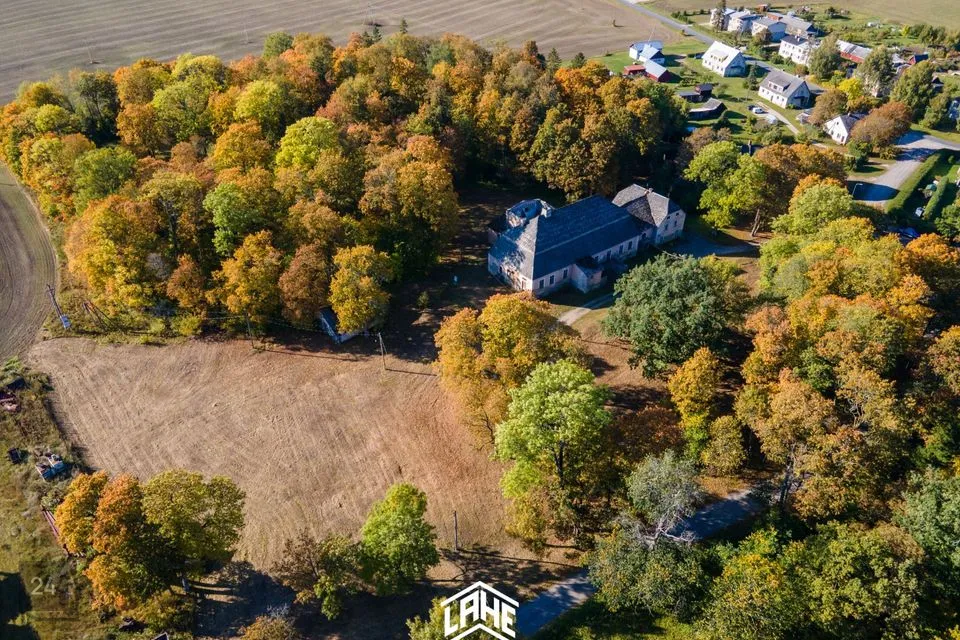
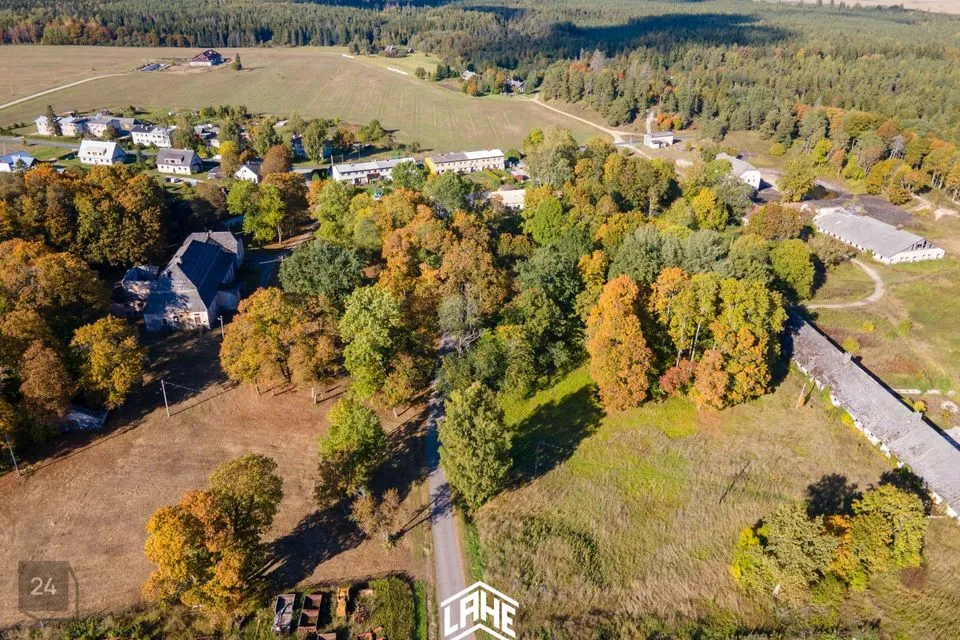
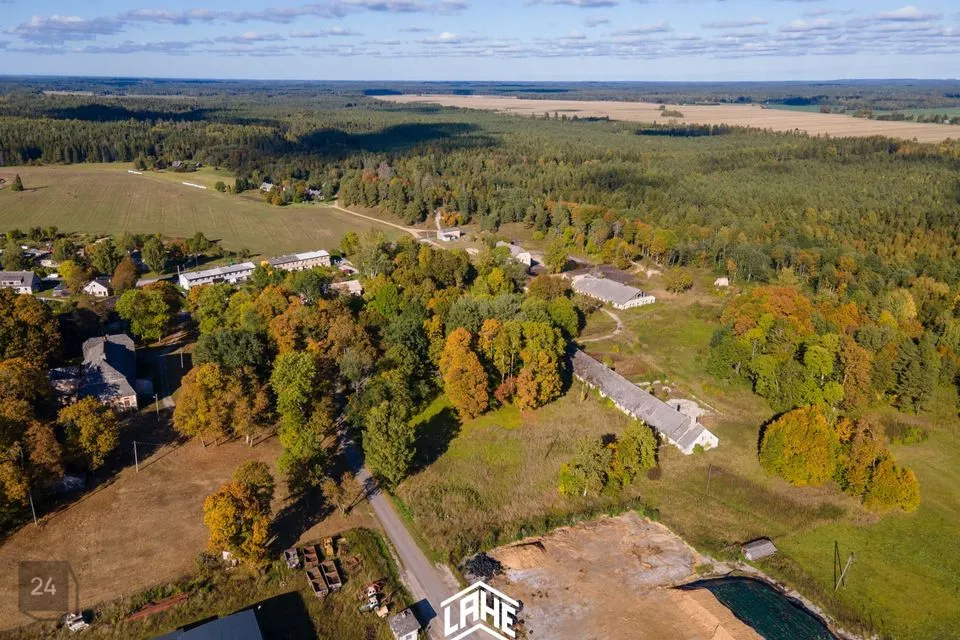
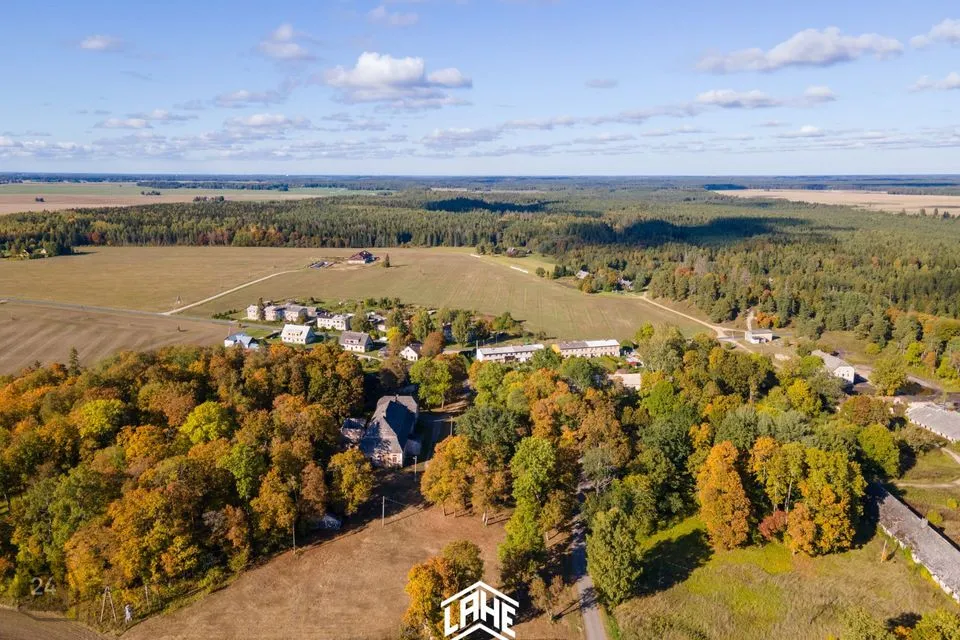
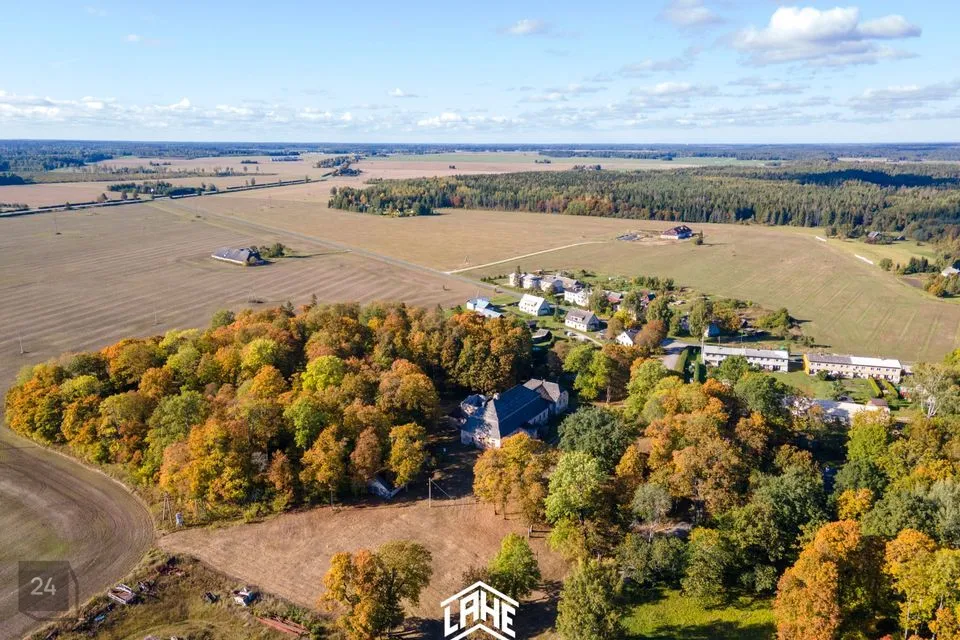
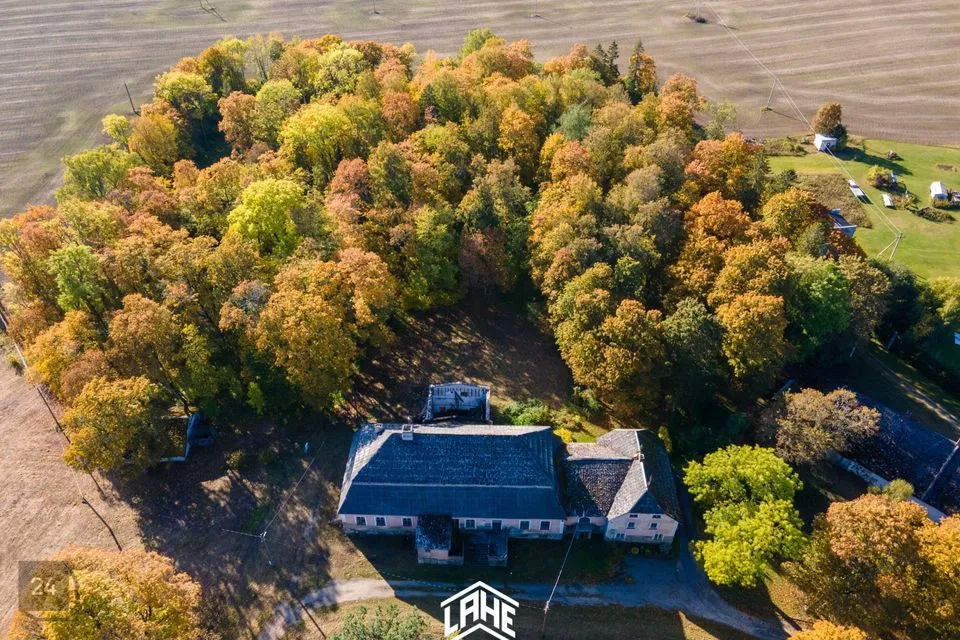
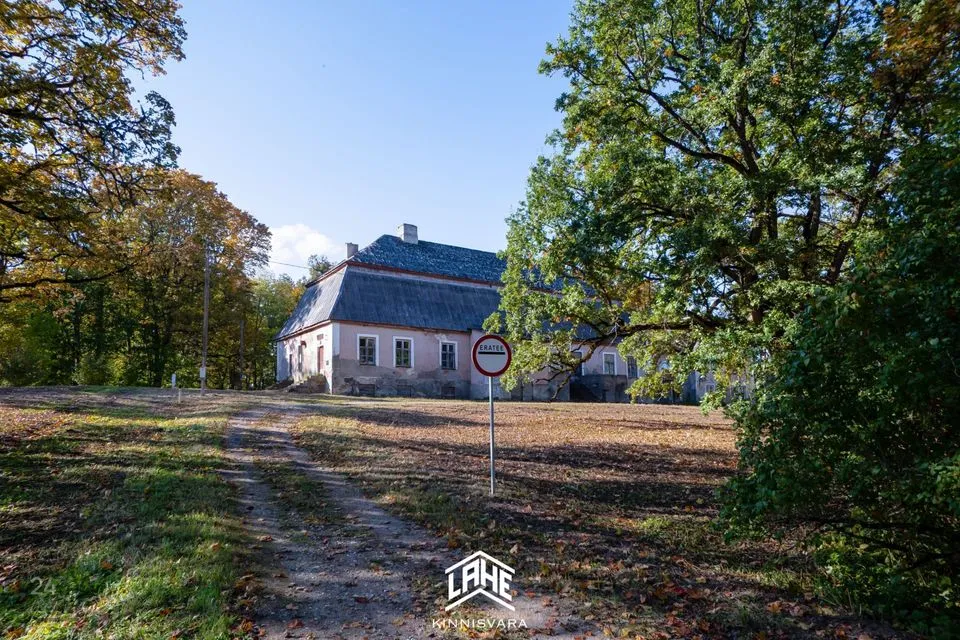
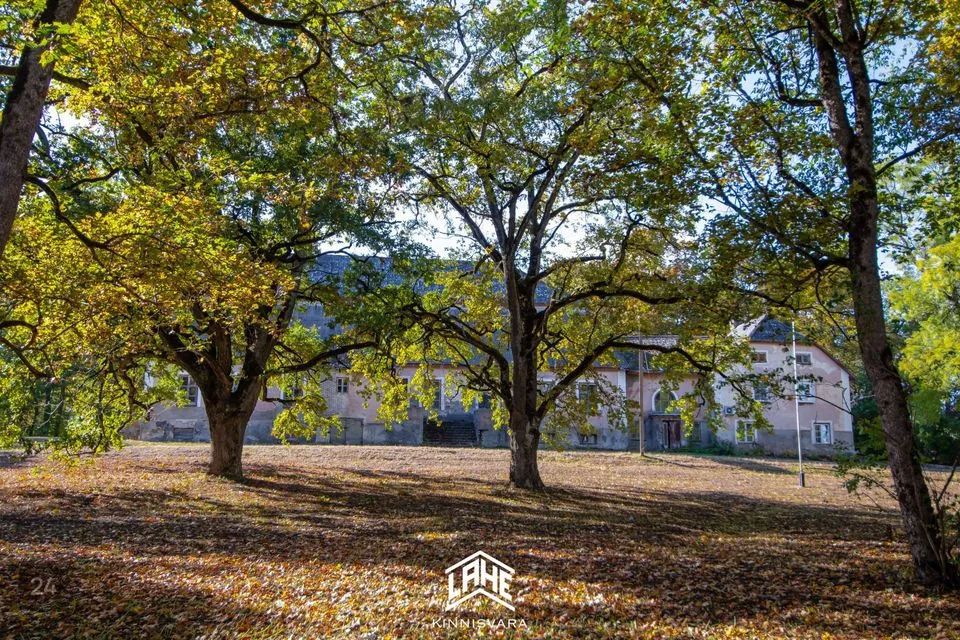
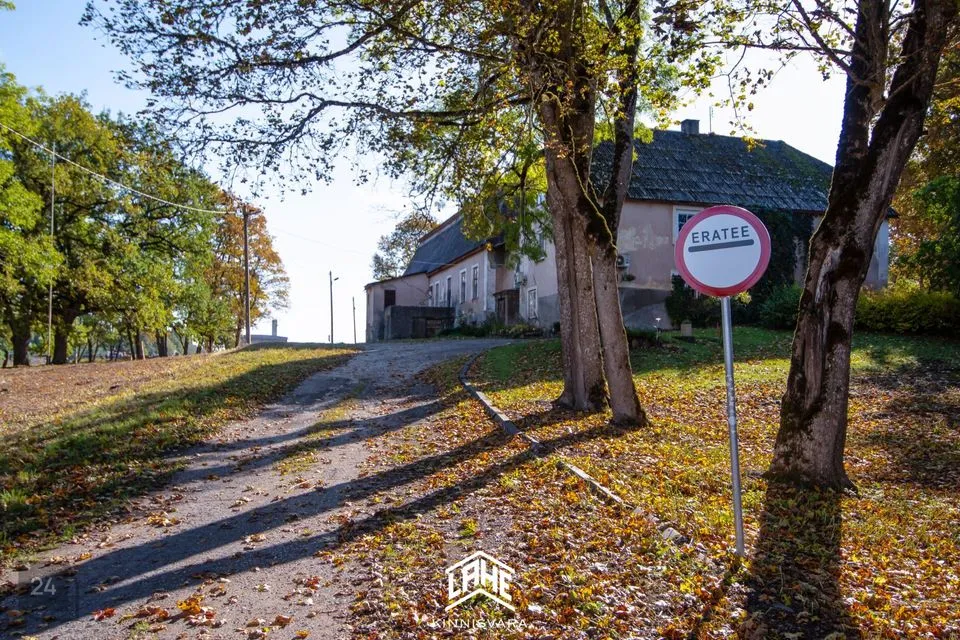
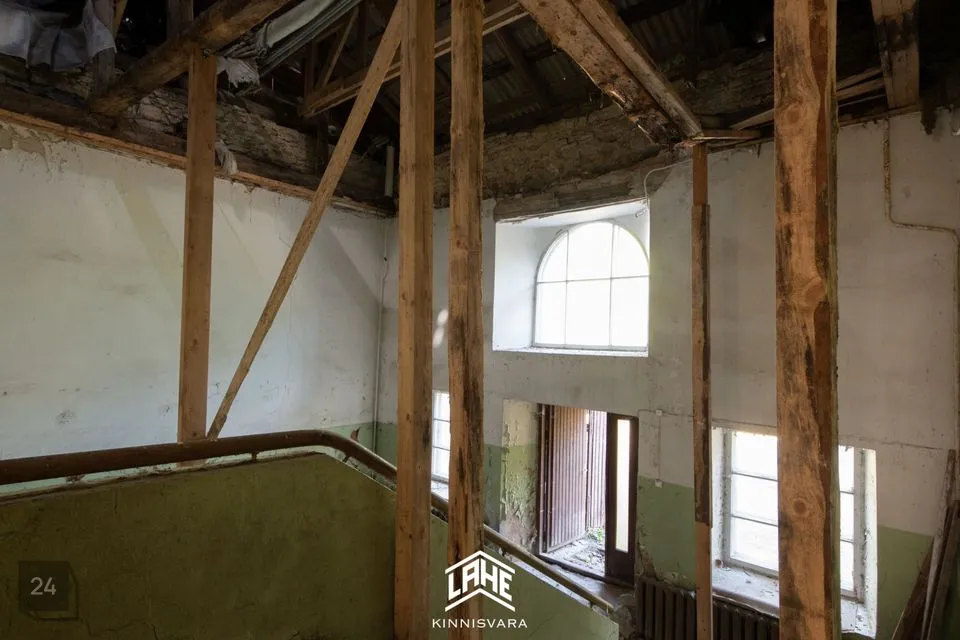
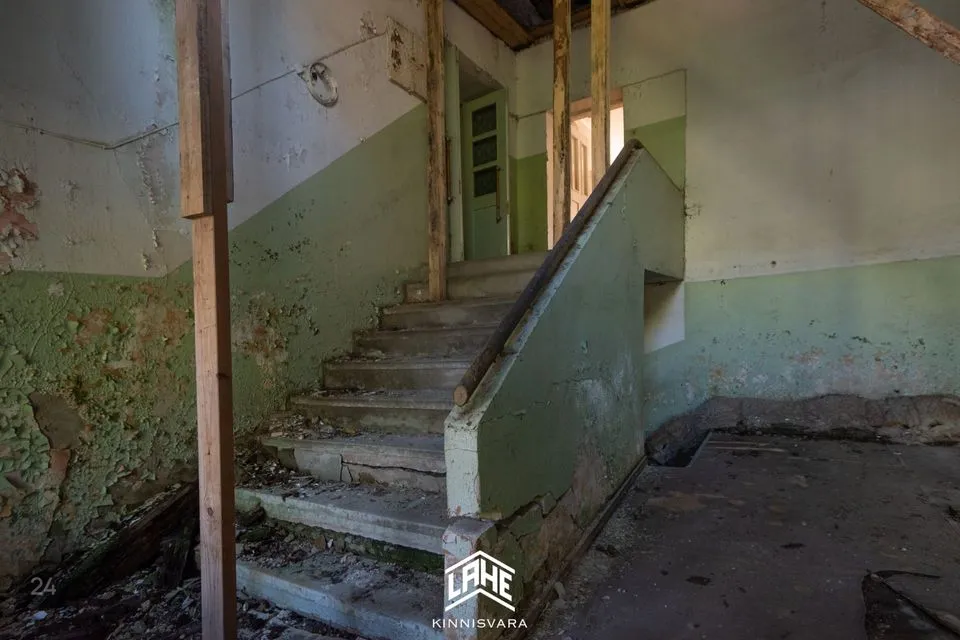
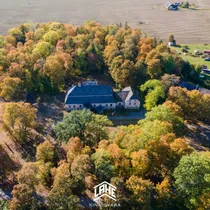
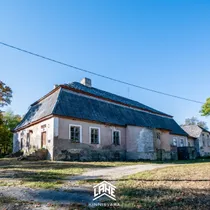
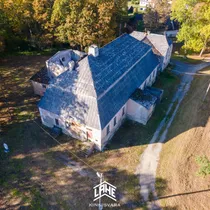
Antud kinnistul asub pakkumises olev endise Küti mõisa peahoone, mis on 1760. aasta paiku ehitatud madala soklikorruse ja ühe põhikorruse ning põhikorrusest 2x kõrgema murdkelpkatusega barokne paekiviehitis, mille vasaku otsaga on hiljem liidetud kahekorruseline klassitsistliku käsitlusega tiibehitis.
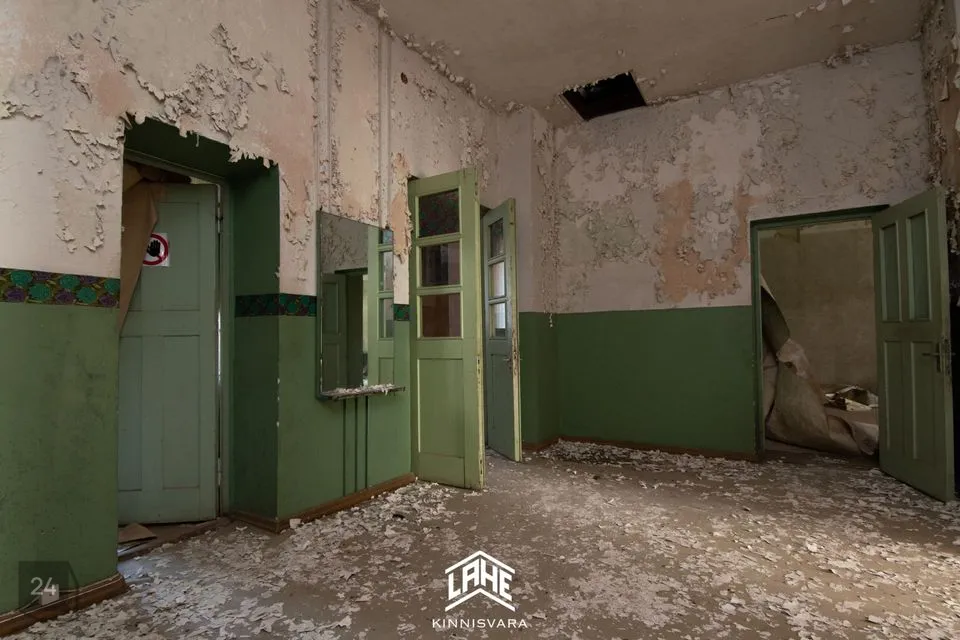
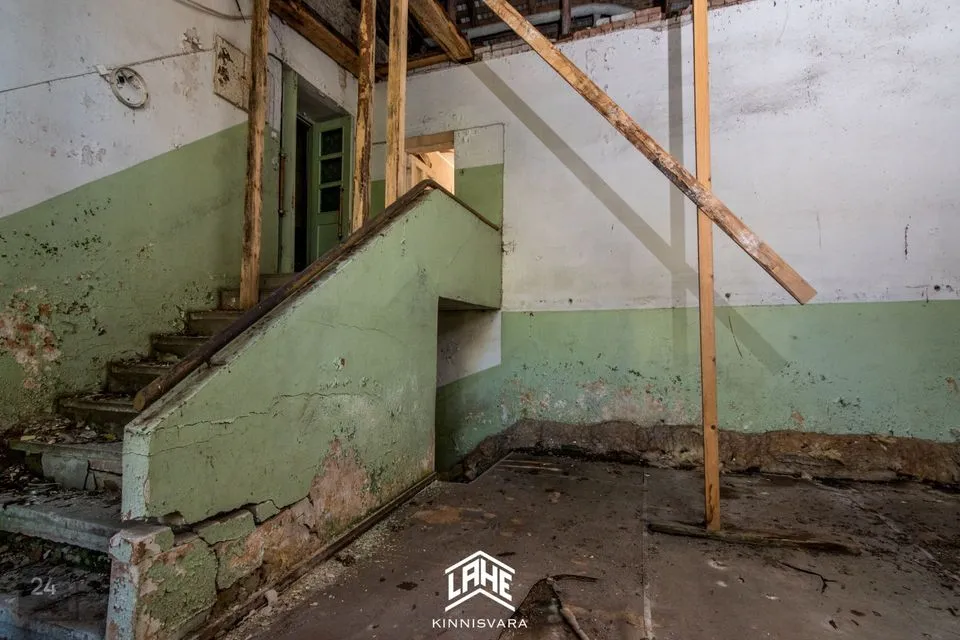
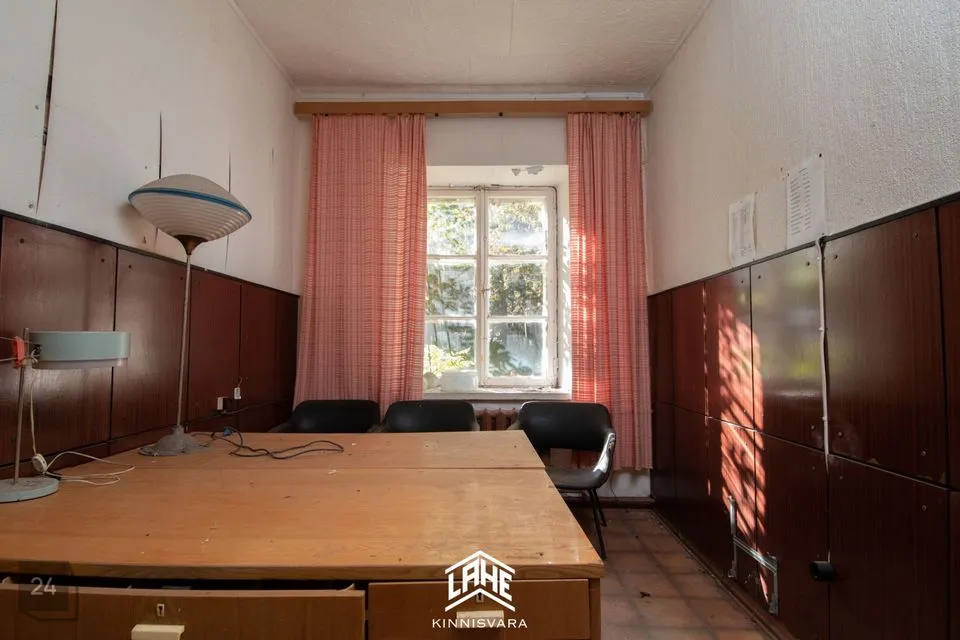
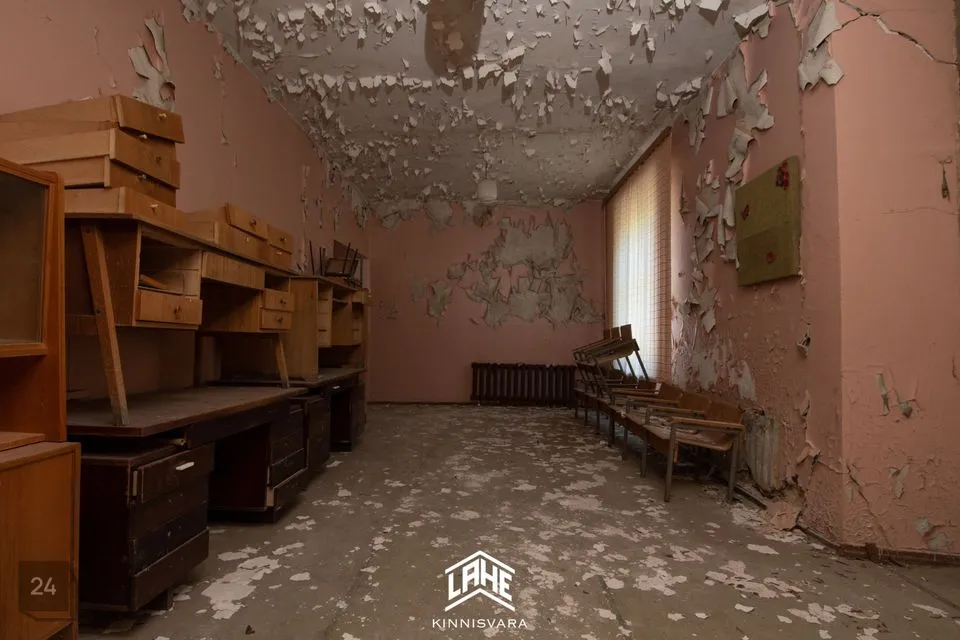
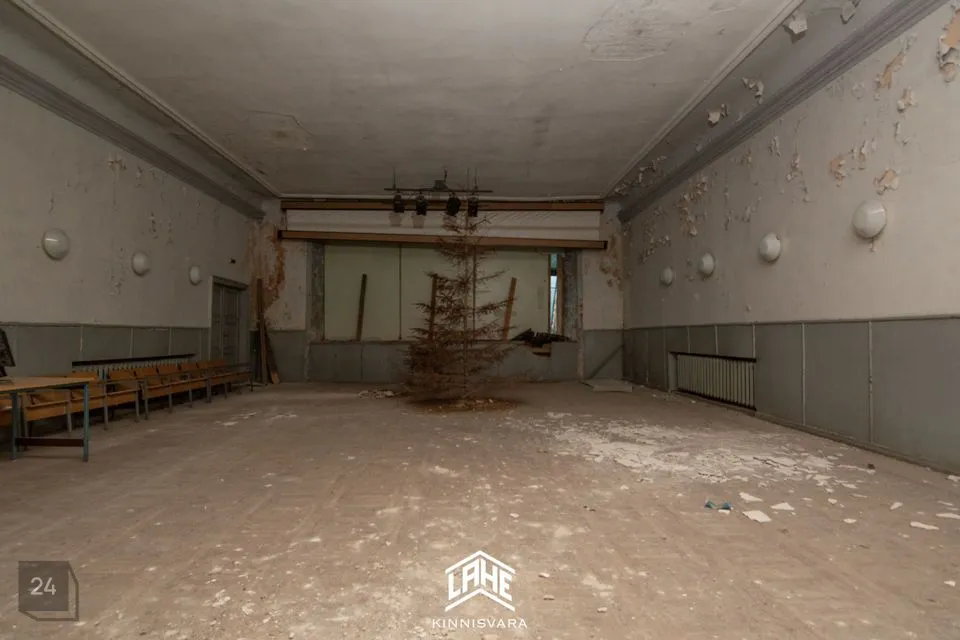
Kolhoosiajal on hoone tugevalt ümber ehitatud kontor –klubiks (kultuurimajaks), kuid säilitanud siiski barokse üldvälimuse ja –mahu.
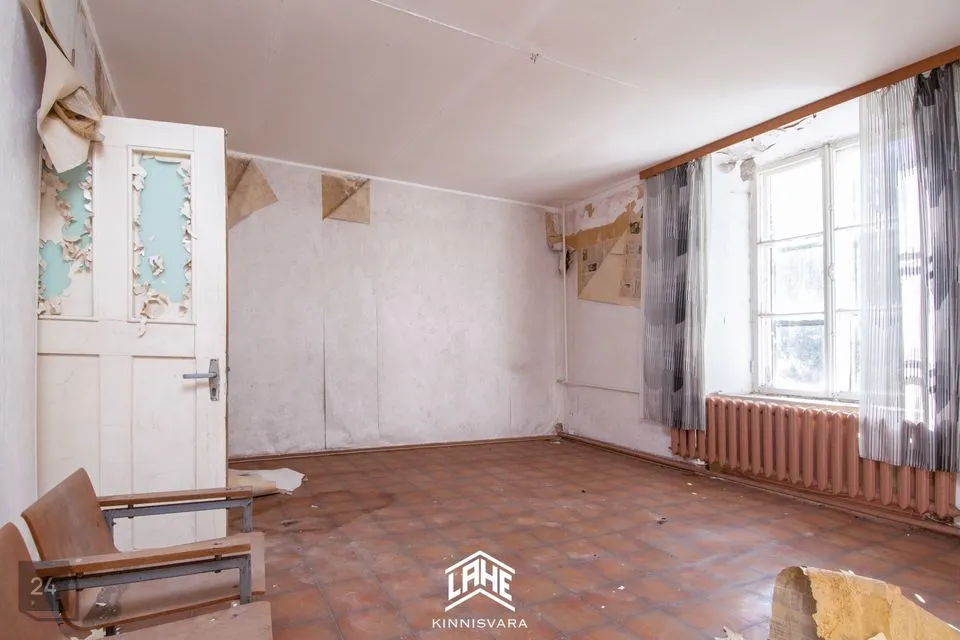
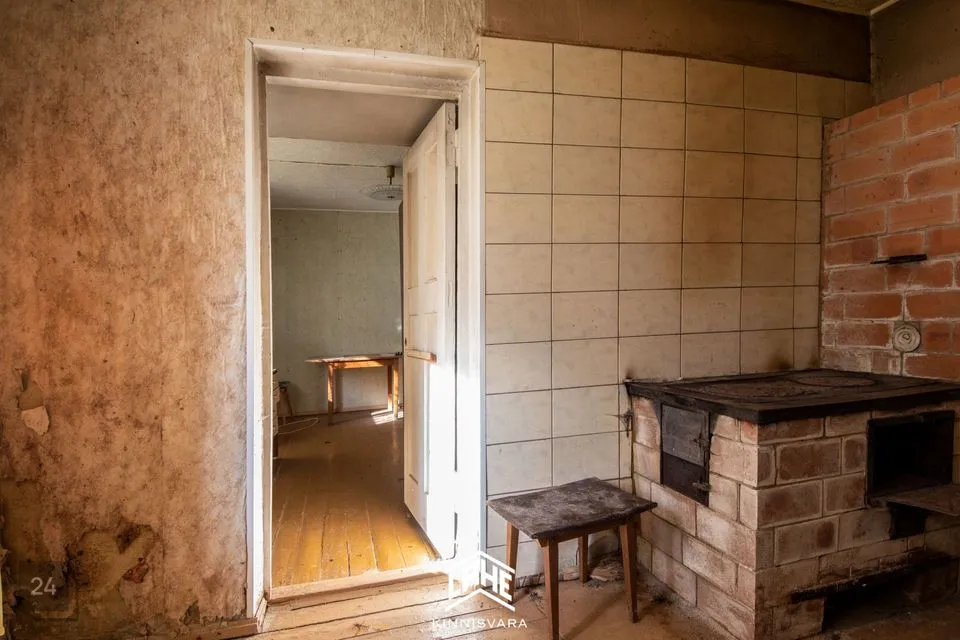
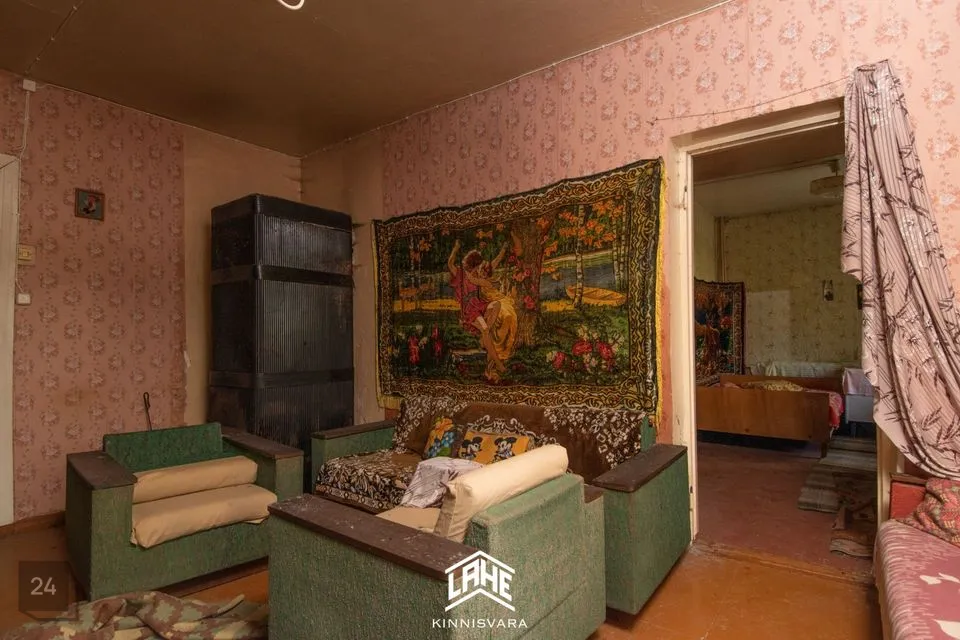
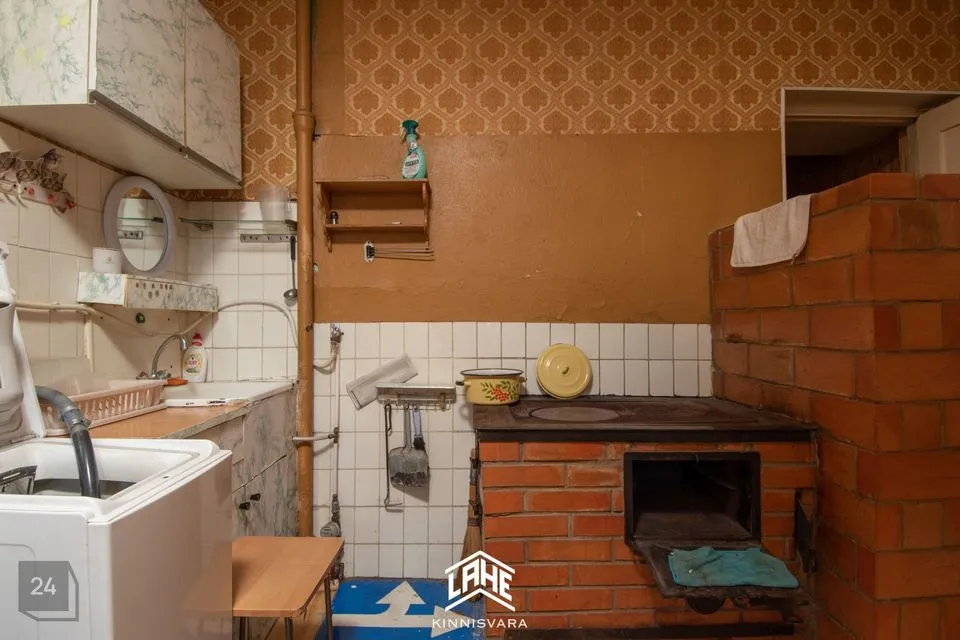
Peahoone põhikorrusel on täna 4 korterit ja üks mitteeluruum ning soklikorrusel kaunis võlvkelder.
Hoone suletud netopind ehitisregistri andmetel on 998,3m2.
Hoone on ühendatud tsentraalse veevarustusega. Olemas elektriliitumine ja tööstusvool. Kanalisatsioon on lokaalne. Valguskaabliga liitumisvõimalus hoone läheduses.
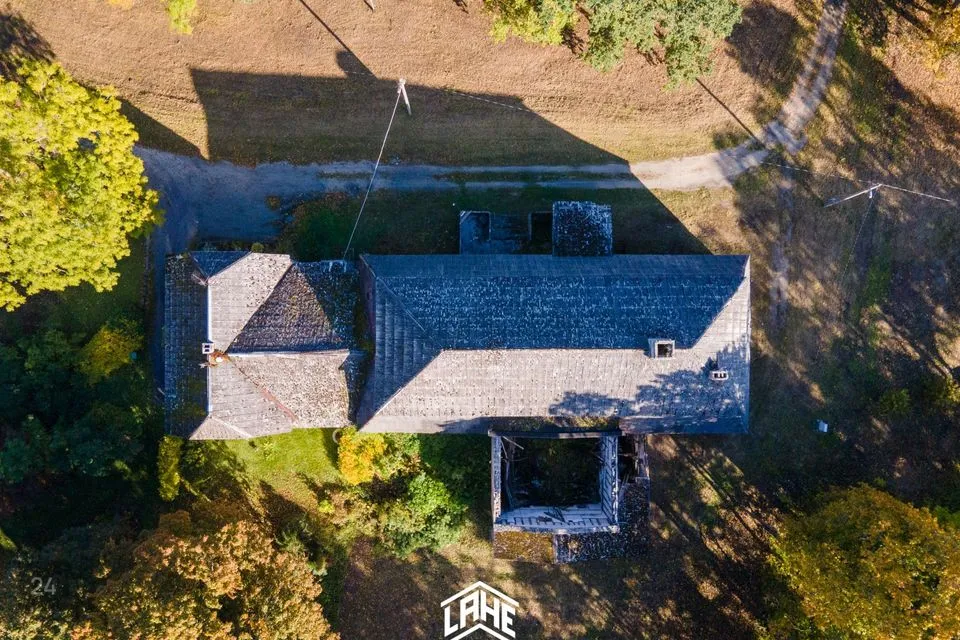
Peahoone tervikuna vajab renoveerimist ja rekonstrueerimist. Hoones asuvatest korteritest on ühes korteris kenasti olemas õhksoojuspumbad ning võimalus näiteks renoveerimisprotsessi ajal elada.
Hoone ehitisena muinsuskaitsealune objekt ei ole, kuid Mõisa tn 4 kinnistu tervikuna, millel peahoone asub on Küti mõisapargi kaitseala kaitsevööndis.
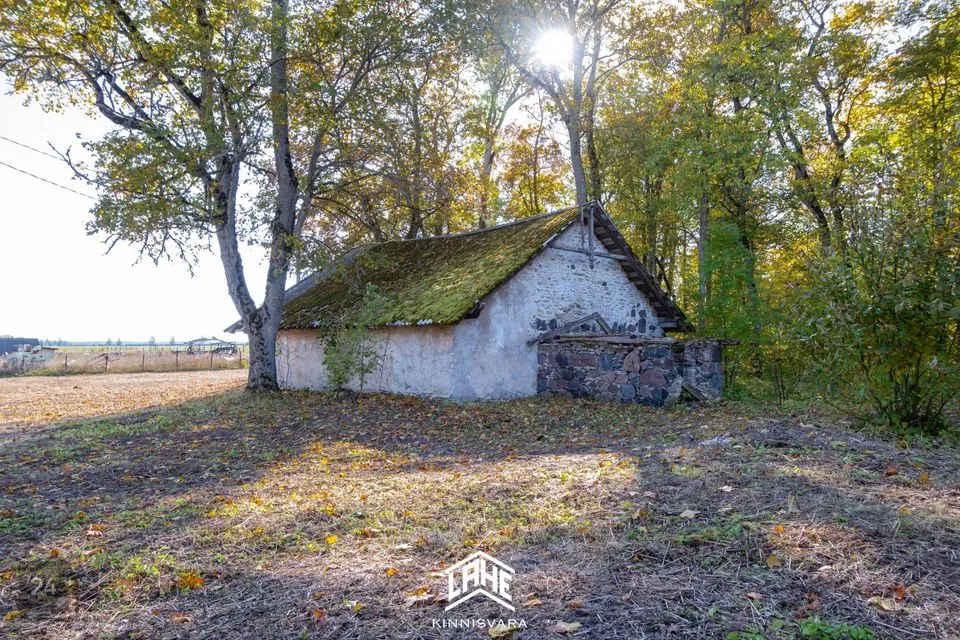
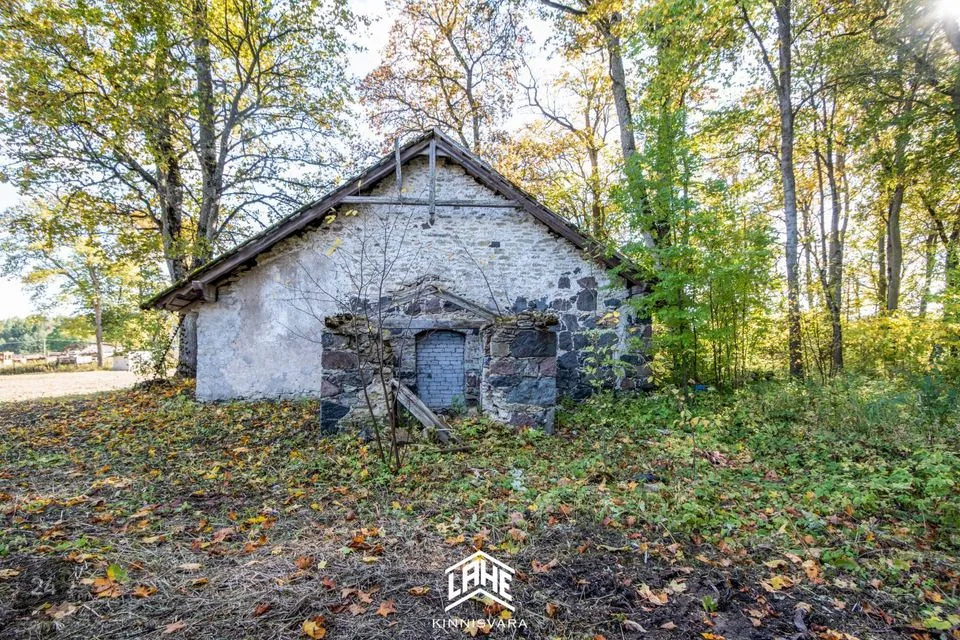
2) Mõisa tn 2, Küti külas, mille pindala on 6384m2, sihtotstarve on 100% tootmismaa ja millel asub endise Küti mõisa pikk ühekorrusega paekivist poolkelpkatusega 19.sajandi alguses ehitatud ait.
Aida suletud netopind ehitisregistri andmetel on 565,7m2.
Vana ait on suures enamuses algupärane ja vastavalt oma vanusele hästi säilinud. Nõukogudeaegseid suuremahulisi ümberehitustöid aidas tehtud ei ole. Praegu hoones kommunikatsioonid puuduvad. Viimased 25a ei ole hoone olnud kasutuses. Varasemalt on olnud hoones elektrivarustus. Vähene osa kinnistust on Küti mõisa pargi kaitseala piiranguvööndis.
3) Mõisa tn 6, Küti külas, mille pindala on 6035m2, sihtotstarve 100% tootmismaa ja millel asub raudkivist jääkelder, mis ehitisregistris ei kajastu, kuid mitte ehitusalune pind võib olla u 120m2.
Ehitis vajab rekonstrueerimist. Samas on pärast rekonstrueerimist toredasti juustukeldrina kasutatav.
Kommunikatsioonid puuduvad. Vähene osa kinnistust asub Küti mõisa pargi kaitseala piirnguvööndis.
Piirkond on täna küll rohkem tuntud põllumajanduslikus osas, kuid ümbruskonnast leiad kauni looduse, jõe, vallseljaku Roelast ning kaugel pole ka ürgsed Alutaguse metsad.
Viimane pärismõisnik terviklikus Küti mõisas oli 1919. aasta võõrandamiseni Georg von Stackelberg, kelle kätte jäi mõisasüda ka kuni 1939.aastani tänu mõisniku väga heale kuulsusele seoses põllumajanduse suurtoetajana. Von Stackelbergide aadliperekonna valduses oli kogu mõis alates 1859.aastast.
Mõisa peahoone, ait, jääkelder ootavad pikisilmi uut pärismõisnikku käsi külge lööma.
Rohkem informatsiooni jagab ja külastusi korraldab Lahe Kinnisvara maakler Sten Šois,
kontakt: https://www.lahekinnisvara.ee/job-positions/sten-sois/
--------------------------------------------------------------------------------------------------------
VEIDI VEEL KÜTI MÕISA AJALOOST
Küti mõisas on oma lapsepõlve veetnud kunstnik, akadeemik Carl Timoleon von Neff, kes oli Küti mõisa tollase omaniku Heinrich Zoege von Manteuffeli kasupoeg. Mõis oli omal ajal koduks tervele kunstnike rühmale. Kirjanik Lennart Meri räägib oma raamatus „Hõbevalge" esimestest Eesti soost laevnikest,laevakaptenitest. Ja üks neist meestest on Küti Ants. Autor selgitab, et tegemist on Virumaalt Kütist pärit eesti mehega, kes asunud elama Saksamaale Lüübeki linna ja pannud end kirja selliselt – Hans von Kurküll.
Küti mõisa elu kirjeldab värvikalt oma mälestusteraamatus „Tuulde lennanud lehed". Camilla von Stckelberg. Camilla elas pikemalt Kütis ja oli mõnda aega ka Georg von Stackelbergi abikaasa. 1918. aastal oli Georgi vend tõmmanud ajutise elektriliini veskist mõisani ning varustas elumaja ja lautu vooluga. Mõisamajapidamises tegeleti peamiselt karjakasvatusega, peeti hobuseid ja kasvatati ning töödeldi metsa.Küti mõisal oli oma raudtee. See algas mõisa saeveski juures, ületas jõe ja jõudis 6 km järel Pikakõrve metsa.
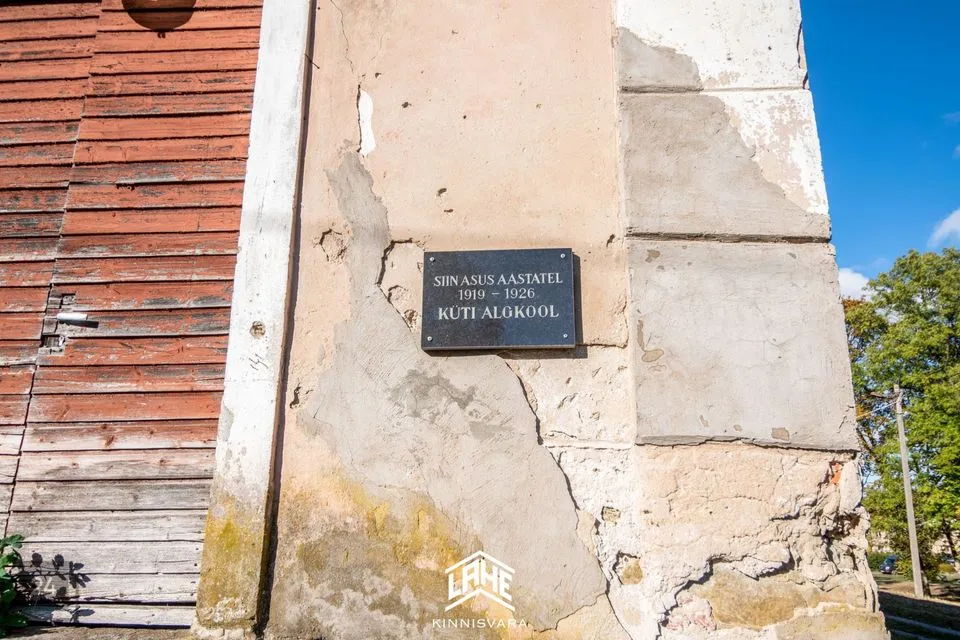
Küti algkool oli erakool, mis asutati 1919.a. Küti mõisa omaniku abikaasa Carmen Stackelbergi initsiatiivil ja toetusel. Kooli juurde asutas mõisaproua ka lasteaia, kuhu võeti lapsi, kelle vanemad töötasid mõisas. 1926.a. lõpetas kool oma tegevuse Kütis ning sai endale uue kodu Kulina mõisa peahoones.
1938.a. tegi Küti vallavalitsus maavalitsusele ettepaneku nimetada Küti asundus Kure külaks, täna taas siiski Küti, kus elanike arv hakkas hoogsalt kasvama 1957. aastast, kui loodi omaette sovhoos keskusega Kütis.
Küti mõis (saksa k Kurküll) oli rüütlimõis, mida esmakordselt mainiti 1473.aastal.
Ühtse objektina on pakkumises kolm järjestikku asuvat kinnistut:
1) Mõisa tn 4, Küti külas, mille pindala on 10635m2, sihtotstarve 80% ärimaa ja 20% elamumaa.
Antud kinnistul asub pakkumises olev endise Küti mõisa peahoone, mis on 1760. aasta paiku ehitatud madala soklikorruse ja ühe põhikorruse ning põhikorrusest 2x kõrgema murdkelpkatusega barokne paekiviehitis, mille vasaku otsaga on hiljem liidetud kahekorruseline klassitsistliku käsitlusega tiibehitis.
Kolhoosiajal on hoone tugevalt ümber ehitatud kontor –klubiks (kultuurimajaks), kuid säilitanud siiski barokse üldvälimuse ja –mahu.
Peahoone põhikorrusel on täna 4 korterit ja üks mitteeluruum ning soklikorrusel kaunis võlvkelder.
Hoone suletud netopind ehitisregistri andmetel on 998,3m2.
Hoone on ühendatud tsentraalse veevarustusega. Olemas elektriliitumine ja tööstusvool. Kanalisatsioon on lokaalne. Valguskaabliga liitumisvõimalus hoone läheduses.
Peahoone tervikuna vajab renoveerimist ja rekonstrueerimist. Hoones asuvatest korteritest on ühes korteris kenasti olemas õhksoojuspumbad ning võimalus näiteks renoveerimisprotsessi ajal elada.
Hoone ehitisena muinsuskaitsealune objekt ei ole, kuid Mõisa tn 4 kinnistu tervikuna, millel peahoone asub on Küti mõisapargi kaitseala kaitsevööndis.
2) Mõisa tn 2, Küti külas, mille pindala on 6384m2, sihtotstarve on 100% tootmismaa ja millel asub endise Küti mõisa pikk ühekorrusega paekivist poolkelpkatusega 19.sajandi alguses ehitatud ait.
Aida suletud netopind ehitisregistri andmetel on 565,7m2.
Vana ait on suures enamuses algupärane ja vastavalt oma vanusele hästi säilinud. Nõukogudeaegseid suuremahulisi ümberehitustöid aidas tehtud ei ole. Praegu hoones kommunikatsioonid puuduvad. Viimased 25a ei ole hoone olnud kasutuses. Varasemalt on olnud hoones elektrivarustus. Vähene osa kinnistust on Küti mõisa pargi kaitseala piiranguvööndis.
3) Mõisa tn 6, Küti külas, mille pindala on 6035m2, sihtotstarve 100% tootmismaa ja millel asub raudkivist jääkelder, mis ehitisregistris ei kajastu, kuid mitte ehitusalune pind võib olla u 120m2.
Ehitis vajab rekonstrueerimist. Samas on pärast rekonstrueerimist toredasti juustukeldrina kasutatav.
Kommunikatsioonid puuduvad. Vähene osa kinnistust asub Küti mõisa pargi kaitseala piirnguvööndis.
Piirkond on täna küll rohkem tuntud põllumajanduslikus osas, kuid ümbruskonnast leiad kauni looduse, jõe, vallseljaku Roelast ning kaugel pole ka ürgsed Alutaguse metsad.
Viimane pärismõisnik terviklikus Küti mõisas oli 1919. aasta võõrandamiseni Georg von Stackelberg, kelle kätte jäi mõisasüda ka kuni 1939.aastani tänu mõisniku väga heale kuulsusele seoses põllumajanduse suurtoetajana. Von Stackelbergide aadliperekonna valduses oli kogu mõis alates 1859.aastast.
Mõisa peahoone, ait, jääkelder ootavad pikisilmi uut pärismõisnikku käsi külge lööma.
Rohkem informatsiooni jagab ja külastusi korraldab Lahe Kinnisvara maakler Sten Šois,
kontakt: https://www.lahekinnisvara.ee/job-positions/sten-sois/
--------------------------------------------------------------------------------------------------------
VEIDI VEEL KÜTI MÕISA AJALOOST
Küti mõisas on oma lapsepõlve veetnud kunstnik, akadeemik Carl Timoleon von Neff, kes oli Küti mõisa tollase omaniku Heinrich Zoege von Manteuffeli kasupoeg. Mõis oli omal ajal koduks tervele kunstnike rühmale. Kirjanik Lennart Meri räägib oma raamatus „Hõbevalge" esimestest Eesti soost laevnikest,laevakaptenitest. Ja üks neist meestest on Küti Ants. Autor selgitab, et tegemist on Virumaalt Kütist pärit eesti mehega, kes asunud elama Saksamaale Lüübeki linna ja pannud end kirja selliselt – Hans von Kurküll.
Küti mõisa elu kirjeldab värvikalt oma mälestusteraamatus „Tuulde lennanud lehed". Camilla von Stckelberg. Camilla elas pikemalt Kütis ja oli mõnda aega ka Georg von Stackelbergi abikaasa. 1918. aastal oli Georgi vend tõmmanud ajutise elektriliini veskist mõisani ning varustas elumaja ja lautu vooluga. Mõisamajapidamises tegeleti peamiselt karjakasvatusega, peeti hobuseid ja kasvatati ning töödeldi metsa.Küti mõisal oli oma raudtee. See algas mõisa saeveski juures, ületas jõe ja jõudis 6 km järel Pikakõrve metsa.
Küti algkool oli erakool, mis asutati 1919.a. Küti mõisa omaniku abikaasa Carmen Stackelbergi initsiatiivil ja toetusel. Kooli juurde asutas mõisaproua ka lasteaia, kuhu võeti lapsi, kelle vanemad töötasid mõisas. 1926.a. lõpetas kool oma tegevuse Kütis ning sai endale uue kodu Kulina mõisa peahoones.
1938.a. tegi Küti vallavalitsus maavalitsusele ettepaneku nimetada Küti asundus Kure külaks, täna taas siiski Küti, kus elanike arv hakkas hoogsalt kasvama 1957. aastast, kui loodi omaette sovhoos keskusega Kütis.
Kinnisvara hindamine ja kinnisvara müük Lahe Kinnisvara kutselistelt hindajatelt ja maakleritel, kes on pälvinud klientide kõrge tunnustuse!