Why Worms Appear on Raspberries and How to Get Rid of Them
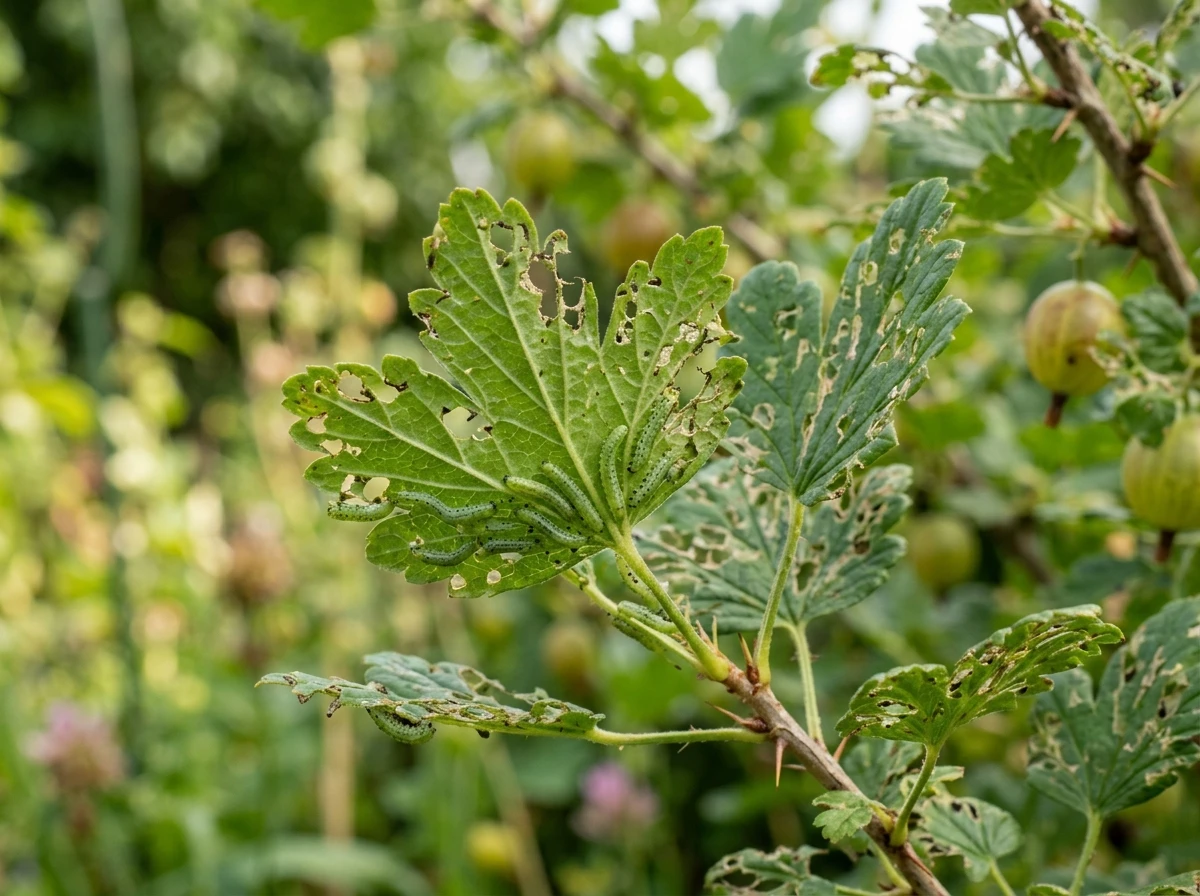
Have you noticed that your gooseberry bush leaves have turned into just skeletons? These sawfly larvae can destroy your entire harvest without intervention, but with the right techniques, keeping them under control is entirely manageable.
The worms that destroy gooseberry bush leaves are mostly gooseberry sawfly larvae, which resemble butterflies in appearance. These pests are particularly dangerous because they can strip entire bushes bare in a short time, weakening the plant and reducing next year's harvest. A knowledgeable gardener understands that healthy and maintained bushes are a valuable addition to your property, offering both visual appeal and increasing property attractiveness. Early detection of pests begins as early as April, when adult insects emerge from the soil and begin laying eggs on the leaves.
Pest lifecycle and causes of infestation
The appearance of larvae is closely related to the location of the bush and the general maintenance of the garden. Gooseberry sawflies overwinter in cocoons in the soil directly under the bush, which means that if you haven't worked the soil in autumn or early spring, they have ideal conditions for a new attack. Since thorough spring garden cleanup in March and April is of critical importance for garden health, it helps prevent massive pest spread. These insects particularly love dense and shaded bush interiors, where females prefer to lay their eggs on the underside of leaves.
Gooseberry sawfly larvae typically feed in groups, starting from the lower leaves and moving quickly upwards. If you notice small holes in the leaves, it's a sign of the first generation, which can strip an entire plant bare in just a few days. Although complete leaf loss doesn't usually kill the bush immediately, it weakens the plant's winter hardiness and significantly reduces next summer's berry harvest. Therefore, it is important to act as soon as the first signs of damage appear.
Effective pest control methods and integrated plant protection
Modern plant protection is based on integrated principles, where physical and biological methods are preferred over chemical preparations. European Union guidelines and the official plant protection product register emphasize a sustainable approach that protects the environment and keeps your harvest clean. If you notice the first larvae, the simplest and most effective way is to collect them by hand or remove damaged leaves and branches. As a biological control method, you can use pathogenic nematodes in cool and humid weather, which are natural enemies of sawfly larvae.
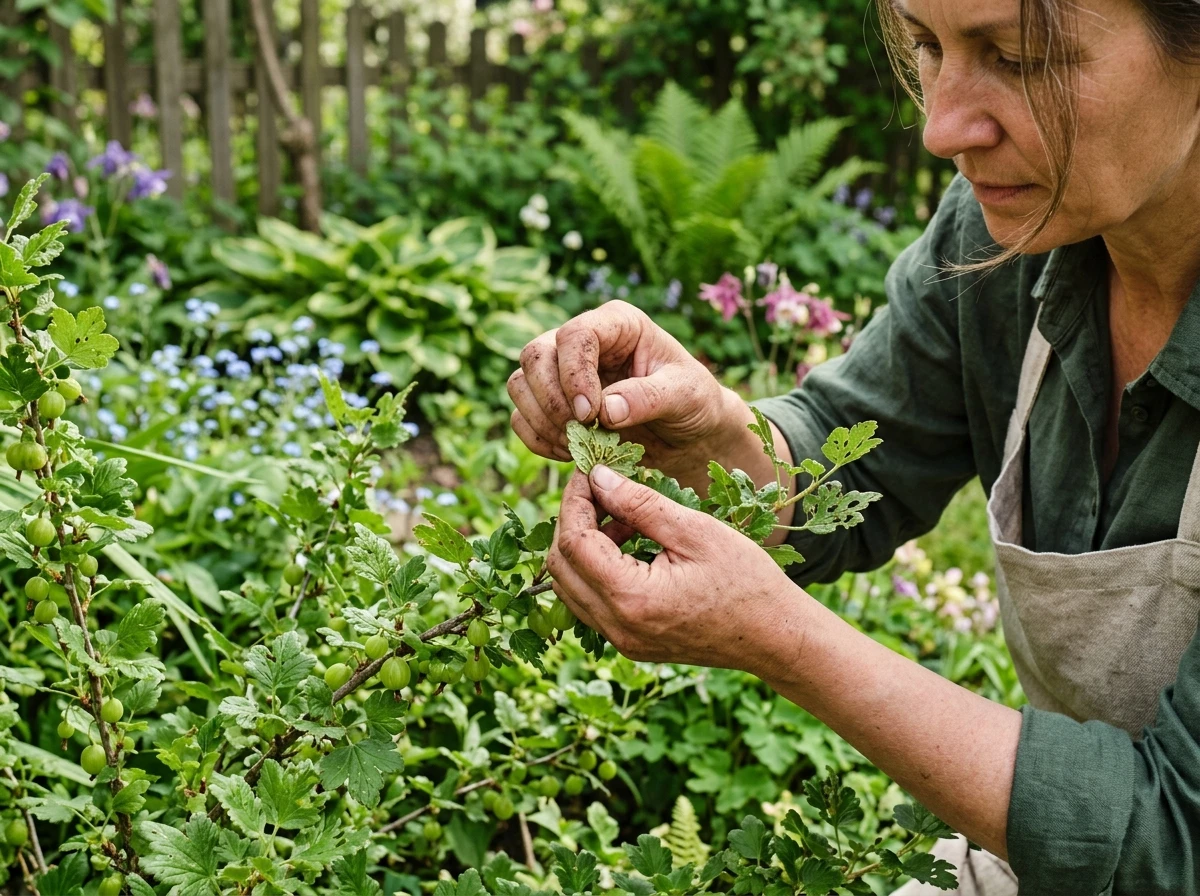
In addition to hand collection, it is important to encourage the activity of natural enemies in your garden, such as birds, bees, and ground beetles. They help keep the pest population under control without additional intervention. It is also recommended to use fine insect netting to prevent adult sawflies from laying eggs on the bushes. This is a particularly effective method in early spring, when the first insects emerge from the soil.
Prevention and long-term garden maintenance
Consistent preventive measures are the most profitable strategy in the long term for any garden owner. One of the best ways is regular pruning of bushes to ensure adequate air circulation and light penetration to the interior of the bush, as sawflies avoid open and well-ventilated plants. During the winter period, it's worth lightly digging or turning the soil around the bush base to expose the cocoons hidden in the soil to cold and birds. This simple technique significantly reduces the number of pests for the next season.
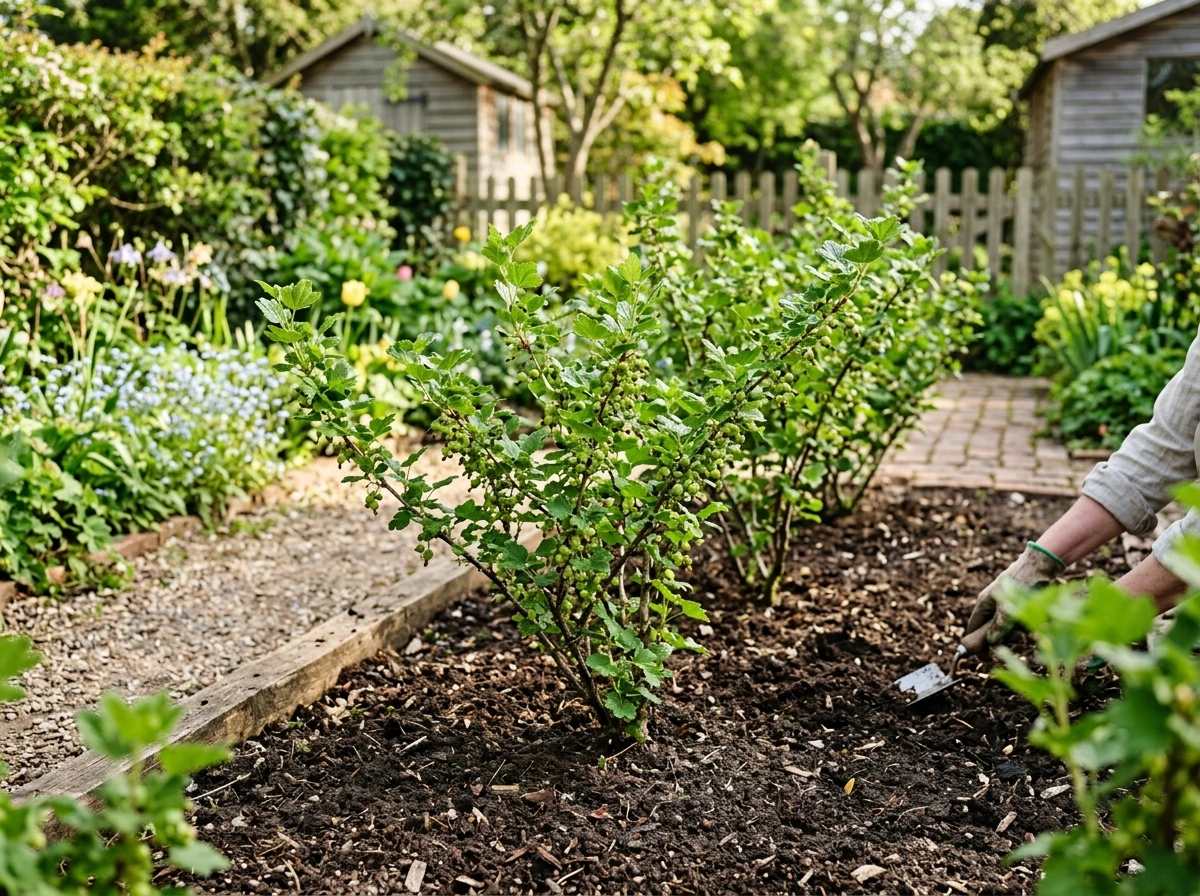
Continuous monitoring and nature-friendly work methods ensure that your berry bushes remain vigorous and productive for years to come. Starting pest control in early spring and keeping your garden tidy, you reduce the risk of having to fight massive infestations in the middle of summer. If you're planning to expand your gardening or looking for a new plot where you can apply your green thumb skills, Kinnisvara24's land sales selection offers excellent opportunities for creating your dream garden. Informed action and proper maintenance techniques create a healthy living environment that is valuable both to you and to your property.
Search
Keywords
Most read articles
- Price per Square Meter of Apartments in Tallinn in 2025
- Apartment Market in Early 2026: Prices Rising, Transaction Activity Remains Modest

- Apartment Market in Early 2026: Prices Rise, Transaction Activity Remains Modest
- Estonian Apartment Prices and Market Expectations in 2025

- Notary Fee and State Fee – Who Pays and How Much?