Why Tomatoes Don't Turn Red
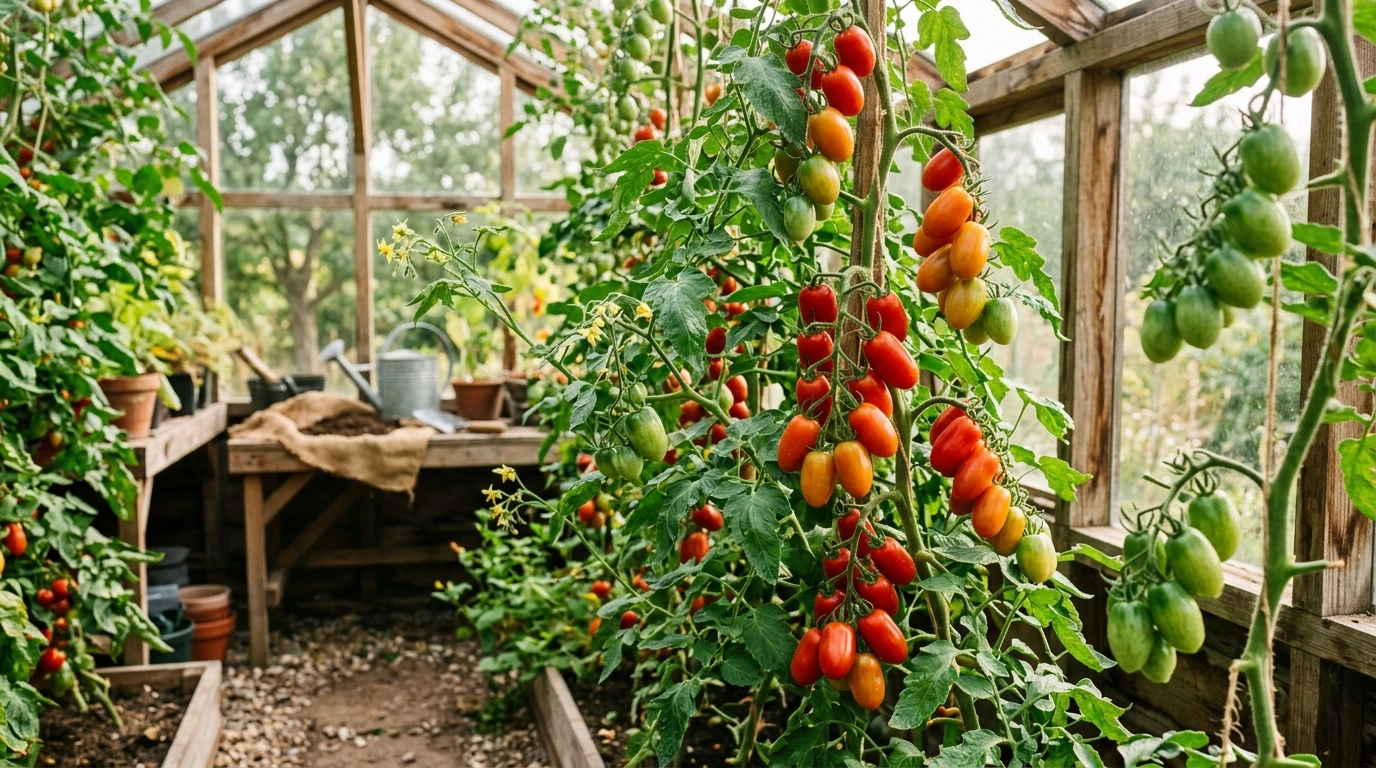
Is your greenhouse hanging with large fruits, but the color stubbornly stays green? The ripening of tomatoes depends on a delicate balance between temperature and care, which you can deliberately manage to enjoy a juicy and red harvest.
Temperature is the key to red color
Behind the reddening of tomatoes are pigments called lycopene and carotenoids, whose formation is most directly influenced by the surrounding temperature. Contrary to popular belief, tomatoes do not need direct sunlight to ripen, but rather the right warmth. Purdue University research confirms that the optimal temperature range for fruit ripening is 20–25 degrees. If the temperature persistently rises above 30 degrees, lycopene production stops and the fruits may remain orange or yellow. A similar halt can also occur if the nights become cool and the temperature drops below 12–15 degrees. If you're planning a new gardening season this year, it's worth remembering that greenhouse installation in the right location helps avoid excessive midday heat while better retaining nighttime warmth.
Light conditions and protecting fruits from overheating
Light conditions are important for the plant's overall growth, but direct sun can actually harm the fruits themselves. Cornell University experts explain that fruits in direct sun often overheat, which inhibits the synthesis of essential pigments. In the worst case, sunscald can occur, damaging the fruit's surface and reducing harvest quality. For this reason, we recommend avoiding the removal of all leaves around the fruits, as healthy foliage provides necessary shade and natural cooling. Similar attention is needed for other popular crops, such as cucumber growing which also requires knowledge of proper shading and support to ensure plant vitality throughout the summer.
Nutrient balance and soil preparation
The balance of nutrients in the soil plays a critical role in how quickly and evenly tomatoes change color. Potassium deficiency is one of the most common factors why fully sized fruits remain green for long or ripen unevenly. At the same time, excess nitrogen can direct the plant's energy into growing new leaves and shoots, naturally delaying fruit ripening. According to University of California recommendations, you can promote ripening by reducing nitrogen fertilization immediately after the first fruits form and focusing on potassium-rich mixtures. Regular soil enrichment is part of broader preparation, which is also covered in spring garden cleanup, preparing the soil for a new and successful growing season.
Practical methods to accelerate ripening
When summer begins to end and you want to speed up harvest ripening, you can use effective methods to direct the plant's resources. One option is topping, which stops the formation of new flowers and leaves, directing all energy into existing fruits. We also recommend gradually reducing watering once the fruits have reached their final size, as less moisture signals the plant to complete the ripening process. If you're growing tomatoes in limited conditions, such as in an urban environment, you might also be interested in various small balcony ideas, which teach how to make maximum and clever use of compact space.
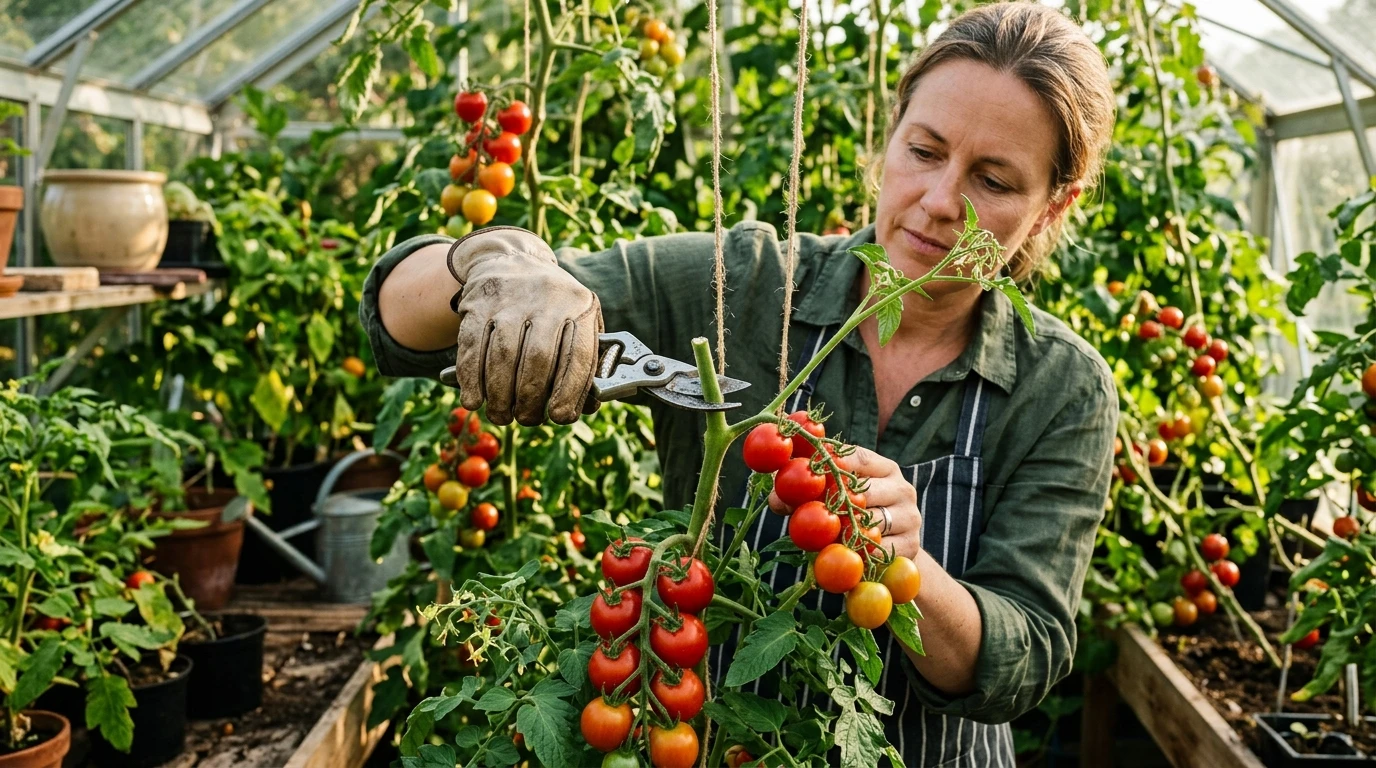
Finishing ripening indoors and a healthy home environment
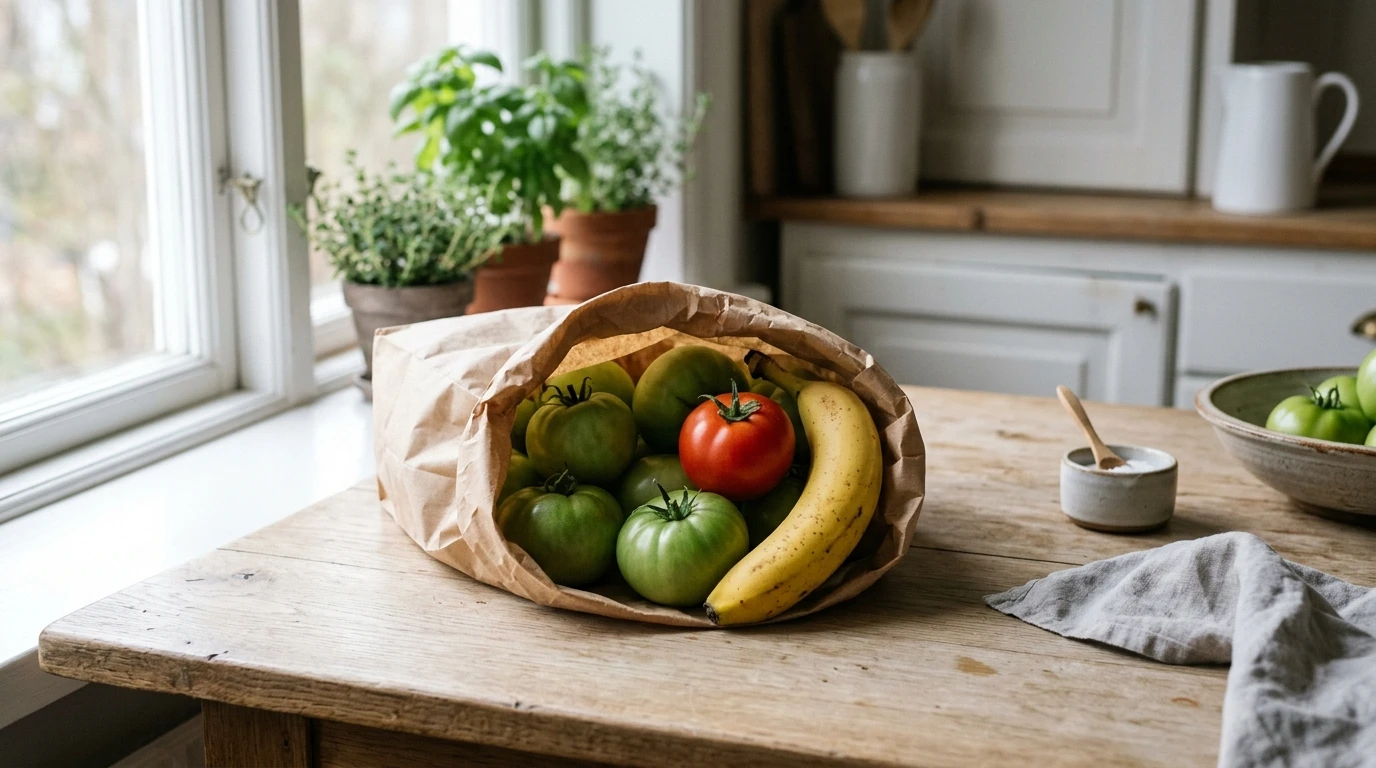
At the end of the season, when night frosts approach, you can harvest all fruits that have reached at least a whitish-green stage, as these ripen successfully indoors as well. SDSU Extension advice recommends placing green tomatoes in a paper bag or wrapping them in newspaper together with one ripe tomato or banana, which release natural ripening gas ethylene. Keep the fruits at room temperature and in the dark, as light is no longer a determining factor in finishing ripening. Additionally, our blog offers interesting reading about which houseplants purify air the best, helping to create a healthier and fresher living environment in your home even after the busy gardening season ends.
Growing tomatoes and coaxing them to turn red requires attention, but with the right techniques you can enjoy an abundant harvest. If you're looking for a new home with enough space to create your dream garden or modern greenhouse, visit the Kinnisvara24 portal to find the best real estate offers across Estonia.
Search
Keywords
Most read articles
- Price per Square Meter of Apartments in Tallinn in 2025

- Apartment Market in Early 2026: Prices Rising, Transaction Activity Remains Modest

- Apartment Market in Early 2026: Prices Rise, Transaction Activity Remains Modest
- Estonian Apartment Prices and Market Expectations in 2025

- Notary Fee and State Fee – Who Pays and How Much?