Why Mold Forms on a Terrace and What Factors Promote It
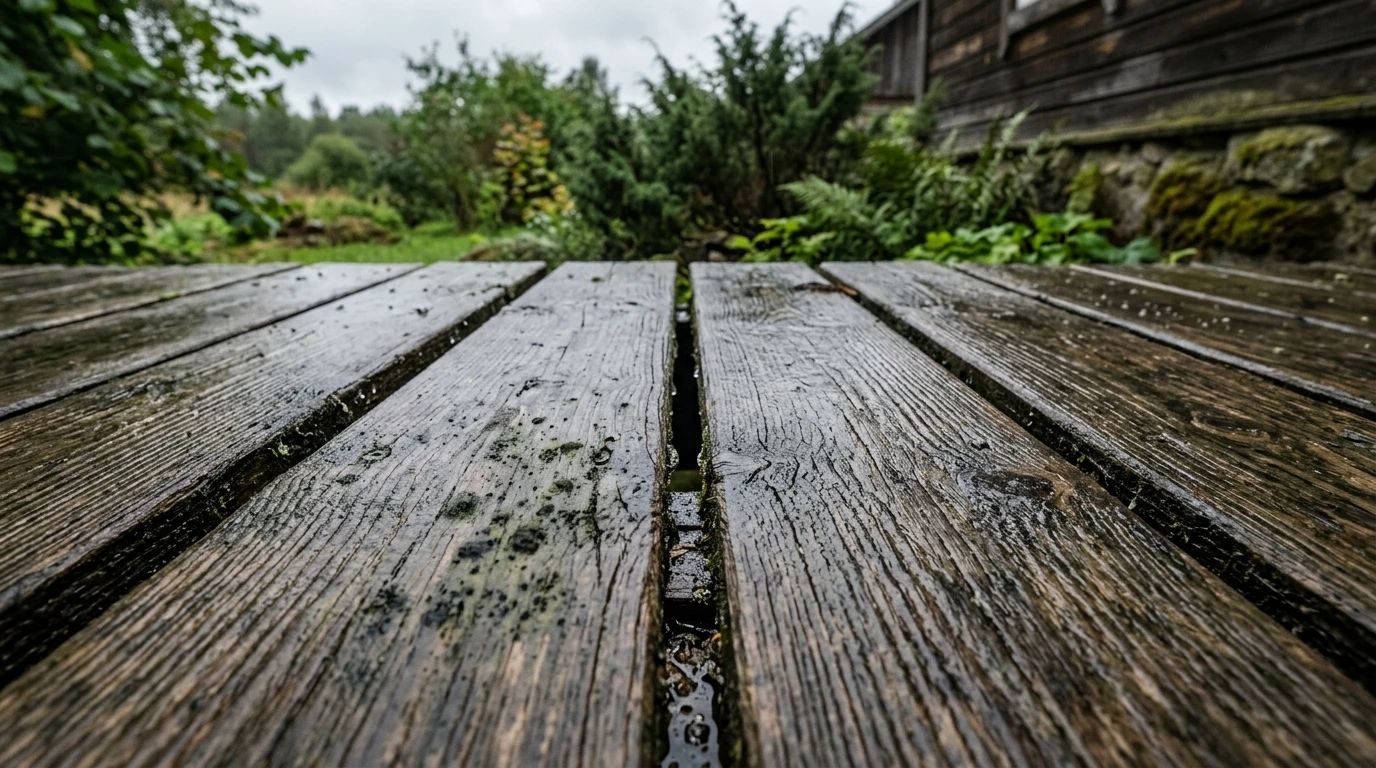
Have you noticed dark spots or a slippery layer on your terrace? This is a sign of mold, which often develops as a result of excessive moisture and poor maintenance. Fortunately, the main contributing factors are easily controllable if you understand their causes and are able to pay attention to them in time.
Moisture as the primary source of mold vitality
Moisture is the main growth driver for mold fungi, as these organisms cannot develop without water. Estonia's maritime climate presents significant challenges for terrace materials, as relative humidity often exceeds the critical 70% threshold, which is a sufficient level for fungal spread. If water remains between terrace boards or in cracks in the wood for a longer period after heavy rain or snow melt, an ideal growth environment is created there. It is this long-term wet surface that is the main reason why mold becomes noticeable particularly after humid autumn and winter periods.
Poor air circulation and organic dirt
Poor air circulation is another critical factor that promotes moisture accumulation and prevents surfaces from drying quickly. If your terrace's substructure is built too close to ground level or if the gaps between boards have become filled with debris, air cannot circulate and condensation does not evaporate quickly enough. This problem also affects the furnishings on your terrace, which is why proper garden furniture maintenance and its strategic placement are an important part of prevention, ensuring free air movement under and around furniture items.
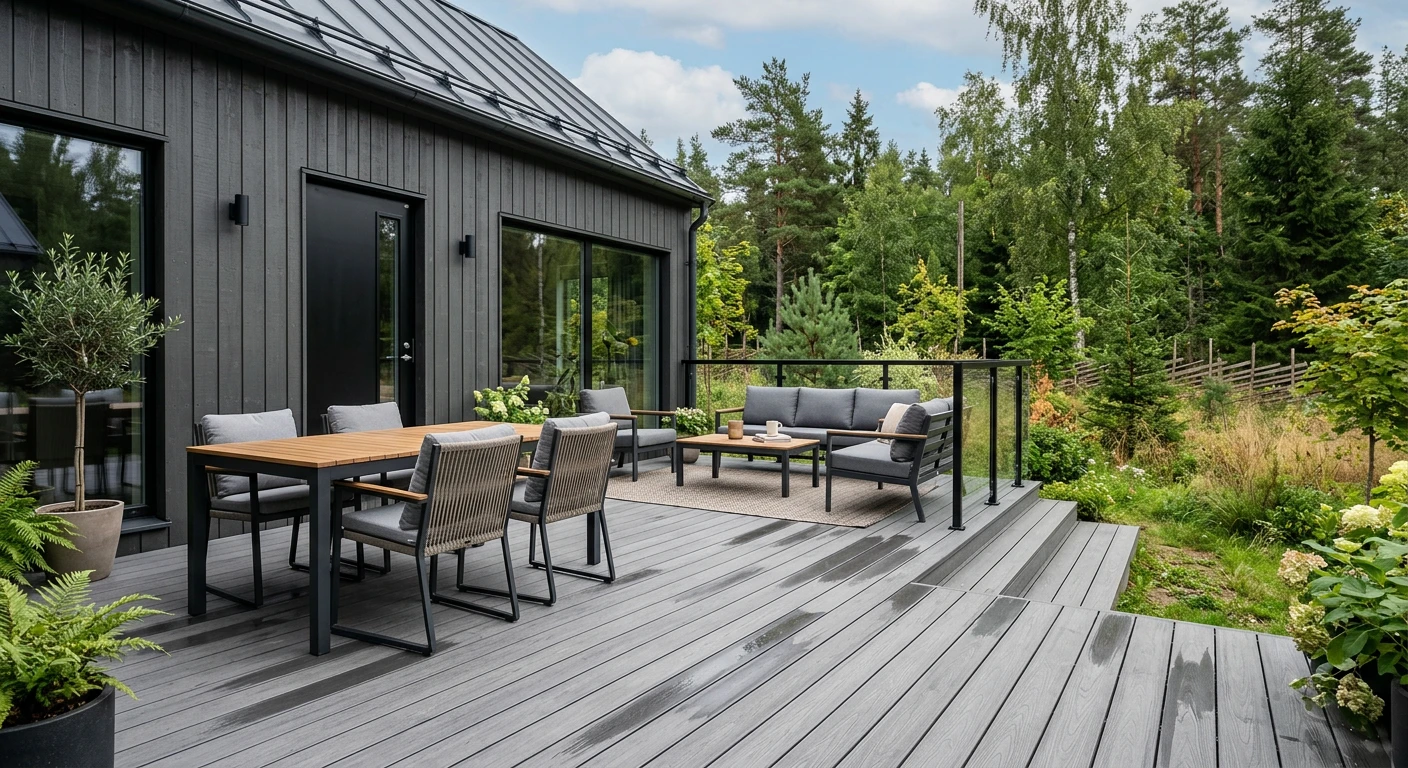
In addition to ventilation, organic dirt accumulating on the terrace plays a role, such as fallen leaves, pollen and dust, which serve as nutrients for mold fungi. Even if you choose a high-quality composite wood, a biological layer left on the surface can promote fungal spread. For this reason, thorough spring garden cleaning is an essential step in maintaining a clean outdoor area, as it removes the organic deposit that mold feeds on and keeps the material surface intact.
Shaded location and surrounding environment
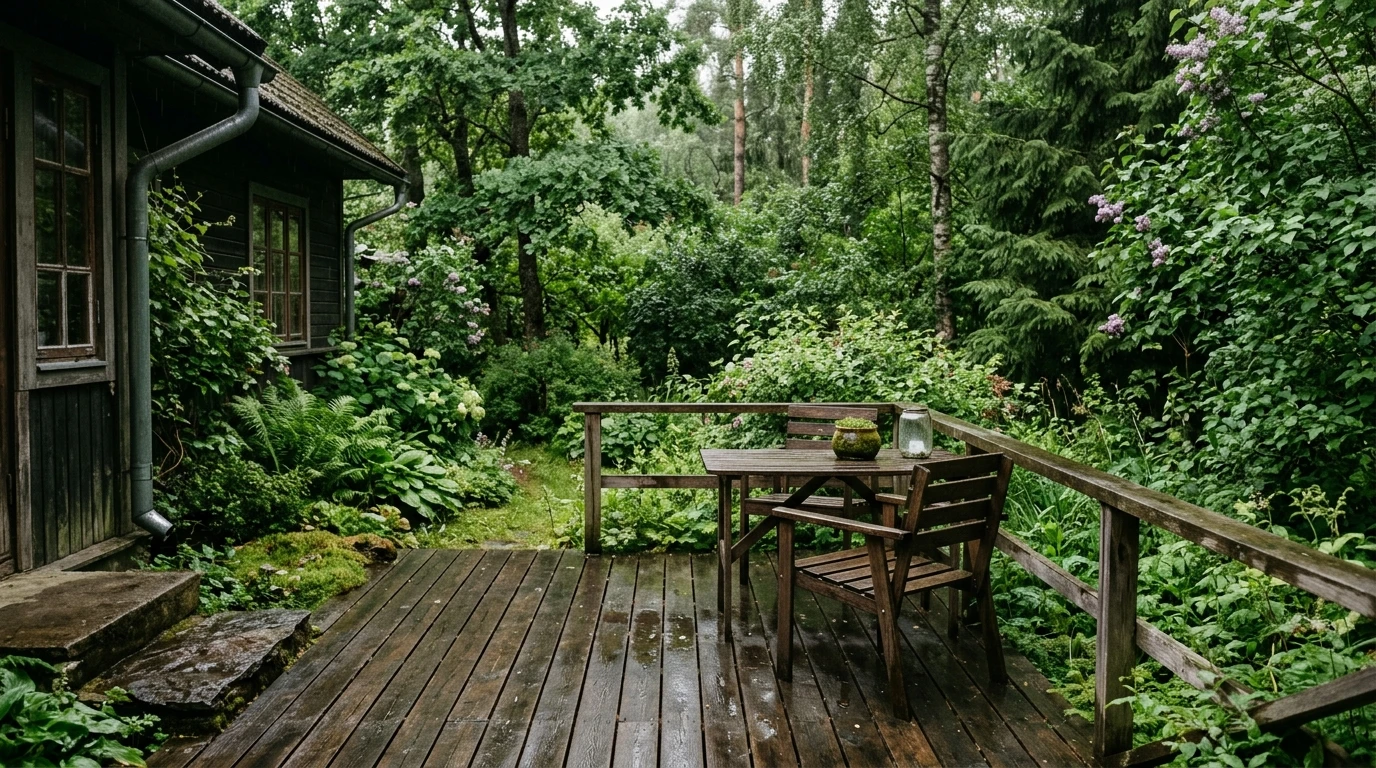
A shaded location and dense vegetation surrounding your terrace can also significantly extend the drying time of surfaces. Trees and shrubs that cast shade on the terrace prevent sunlight from reaching the material, keeping it damp longer after rainfall. Although lush greenery provides privacy, it's worth monitoring to ensure it doesn't excessively limit light access. Sunlight is one of the most effective natural ways to slow down mold growth, helping your terrace dry faster after rain and inhibiting fungal development.
Connections to indoor air quality and general prevention
Although mold on the terrace is primarily an aesthetic and material durability concern, its causes are similar to problems occurring in indoor spaces. If you want to learn more about general measures and potential construction hazards, read our comprehensive mold removal and prevention guide, which explains the nature of moisture damage in depth. Similar principles, such as effective air exchange and keeping surfaces dry, are critical if you want to prevent mold in the bathroom or other damp rooms in your home.
The longevity and attractive appearance of your terrace depend on conscious maintenance and keeping moisture under control. By keeping surfaces clean and ensuring adequate air circulation, your outdoor area will remain healthy and inviting for years to come. However, if you are looking for a new home with already professionally built and maintained outdoor areas, explore the fresh listings on Kinnisvara24 portal to find a home with a perfect terrace.
Search
Keywords
Most read articles
- Price per Square Meter of Apartments in Tallinn in 2025
- Apartment Market in Early 2026: Prices Rising, Transaction Activity Remains Modest

- Apartment Market in Early 2026: Prices Rise, Transaction Activity Remains Modest
- Estonian Apartment Prices and Market Expectations in 2025

- Notary Fee and State Fee – Who Pays and How Much?