Why Is Tap Water Brown and What Should You Do?
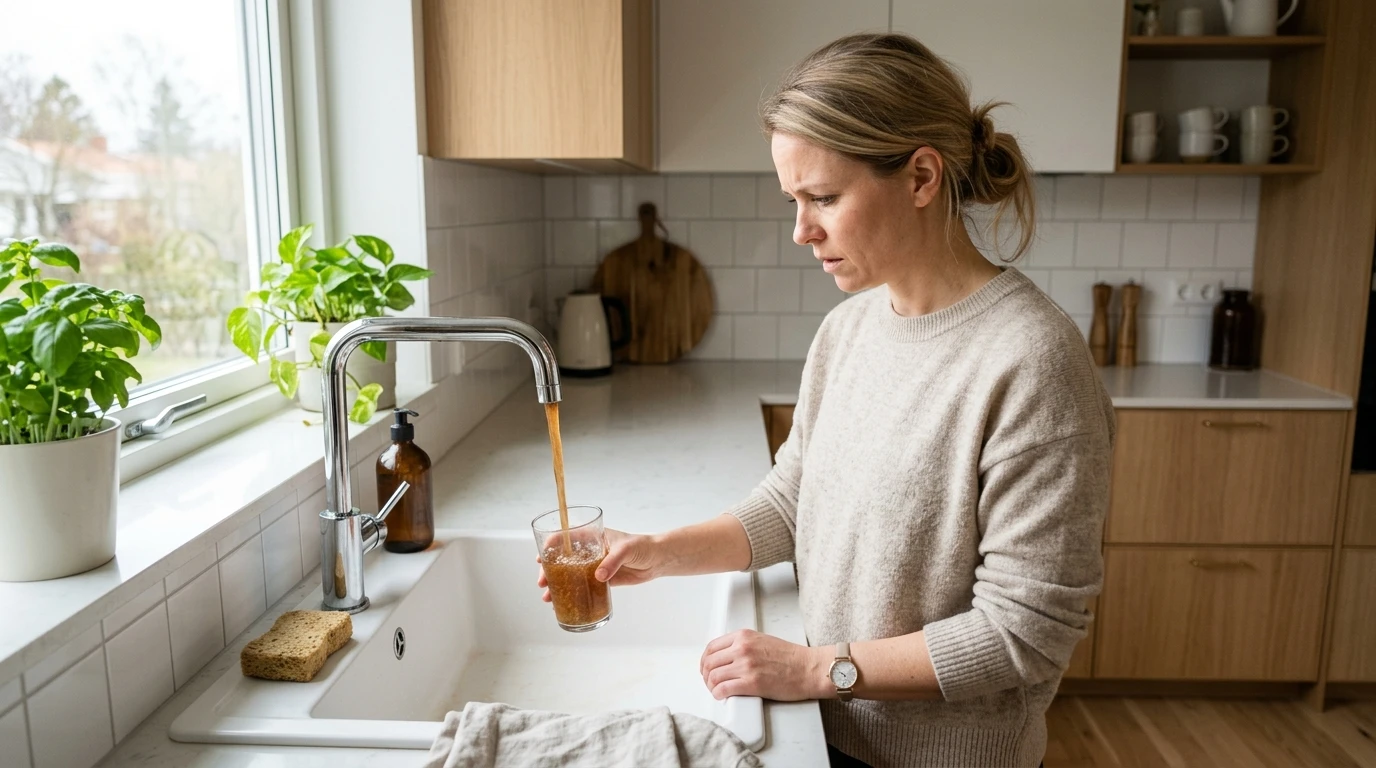
Did you open a tap at home and see brownish liquid instead of clear water? This surprising sight usually points to temporary maintenance work or natural sediment in the pipes. We'll explain why the water changes color and how you can quickly and safely resolve the situation.
Main reasons why tap water changes color
The yellowish, orange, or brownish tint of water is typically caused by natural minerals, especially iron and manganese, which have reacted with sediment accumulated on the inner walls of pipes. In older cast iron and metal pipes, a natural layer of rust forms over time. When the water flow rate or direction in the pipes suddenly changes, these mineral particles are released and move along with the water directly into your home's tap.
Such flow changes are often caused by regional maintenance work in the water network, regulating valves, rapid elimination of pipe emergencies, or the use of fire hydrants. Heavy rainfall and spring snowmelt can also increase the amount of humus and solid particles in groundwater. Sometimes, however, the cause is not in the shared water network, but in the building's own internal pipes, connection pipes, or a water tank that needs cleaning.
Water quality and safety in the home
According to the Health Board, iron and manganese contained in water are not harmful to human health, although they can make water turbid and give it a specific taste or odor. Nevertheless, for clarity's sake, it's worth remembering that visibly discolored water is not recommended for drinking or food preparation.
According to Estonian health professionals and water experts, only cold tap water should be used for drinking and cooking. Hot and warm tap water should not be consumed or boiled, as hot water passes through heating systems and boilers where more mineral sediment accumulates. Until the water clears, you can safely use brown water to flush the toilet. However, it is advisable to avoid washing clothes, as the minerals in the water may permanently stain fabrics.
Practical steps to restore clean water
If you notice brown water flowing from the tap, first open the cold water tap in the kitchen and let the water run for a few more minutes. In most cases, the situation resolves quickly and the fresh water flowing through the pipes soon becomes completely clear and pure again. Once the water has cleared, it is completely safe to use.
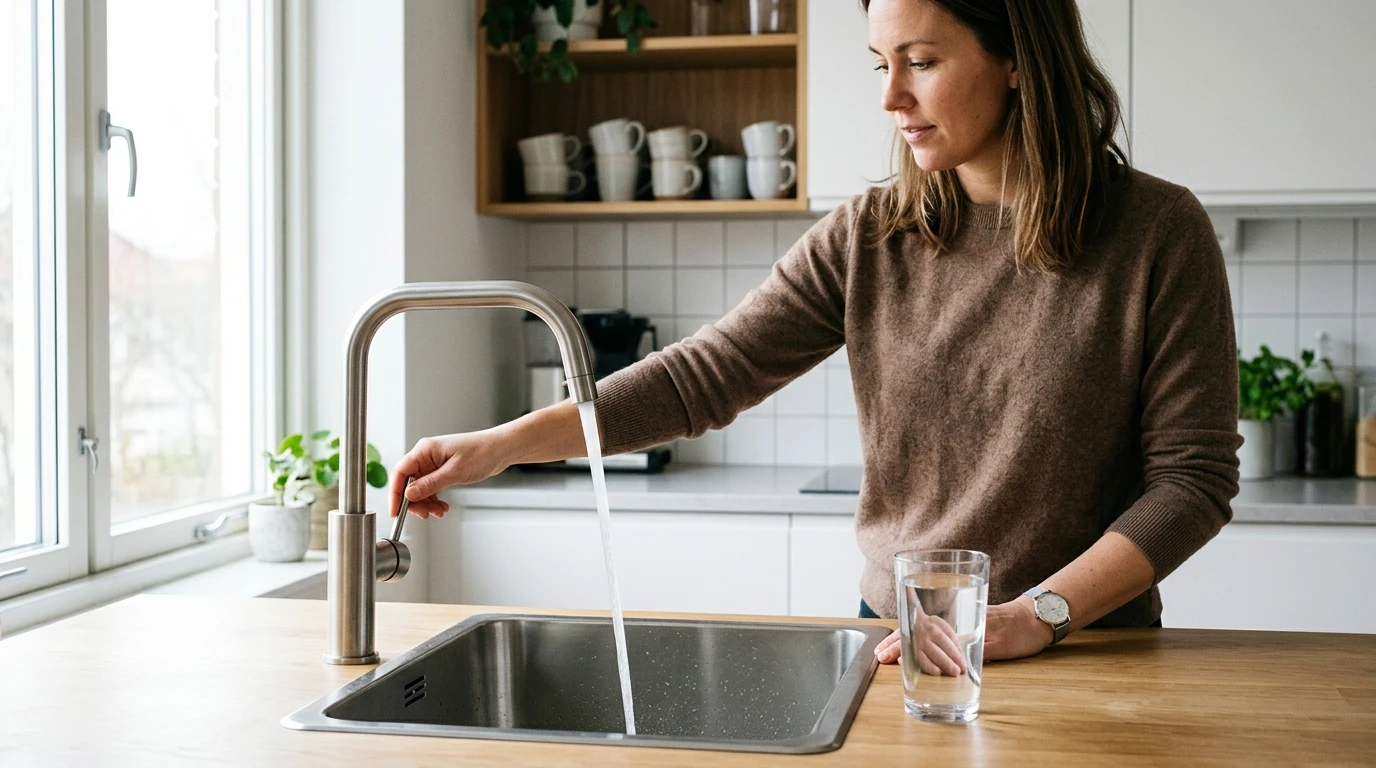
Until the cold water is completely clear, keep the hot water off to prevent sediment from entering the hot water boiler and heating systems. To protect the equipment long-term and ensure cleanliness, it's also worth reviewing other household routines, for example, a simple removal of limescale from a kettle helps keep kitchen appliances in excellent working order.
Who to contact and responsibility sharing
If the water doesn't become clear after a couple of minutes of running or the situation persists for longer than 24 hours, contact your local water company or housing association manager. Water companies have 24-hour hotlines set up for this purpose, where you can quickly get information about work being done in your area.
When living in a rental property, it's useful to know that the owner is responsible for the maintenance of the building's general technical systems and plumbing, while the tenant handles everyday good housekeeping care. When choosing a new home, it's always worth checking the condition of the water supply and finding out in advance how to prepare your plumbing and heating system for winter to avoid unpleasant surprises. Additionally, it's worth implementing simple ways to prevent blockages in advance, ensuring smooth operation in your home.
Brownish tap water is almost always a short-term phenomenon that resolves with simple pipe flushing. However, if you're looking for a new and modern home with technical systems in excellent condition, explore the wide selection of offerings on the Kinnisvara24 portal and find your dream home today.
Search
Keywords
Most read articles
- Price per Square Meter of Apartments in Tallinn in 2025
- Apartment Market in Early 2026: Prices Rising, Transaction Activity Remains Modest

- Apartment Market in Early 2026: Prices Rise, Transaction Activity Remains Modest
- Estonian Apartment Prices and Market Expectations in 2025
- Notary Fee and State Fee – Who Pays and How Much?