Why Does Home Air Become Dry During the Heating Season?
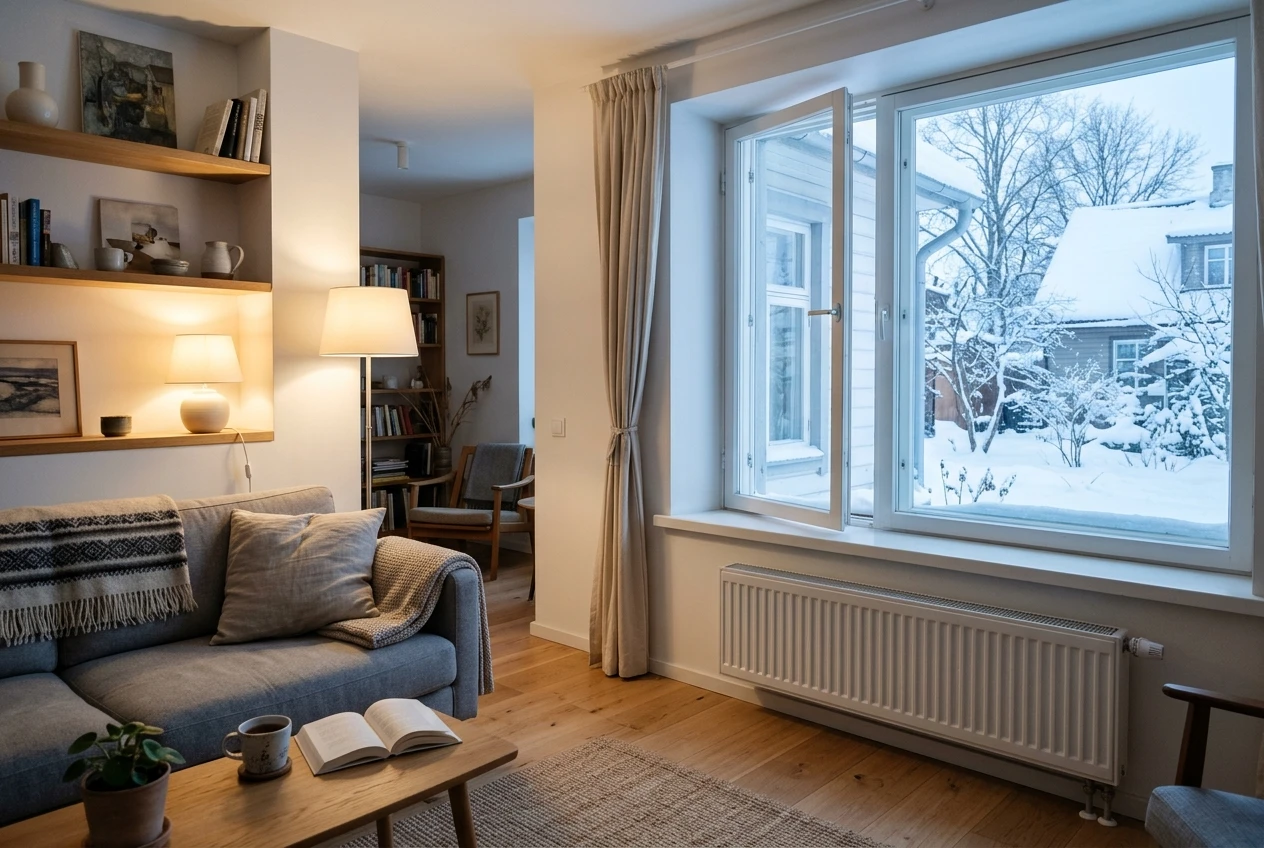
Have you noticed that when heating starts, your eyes begin to itch and your skin feels tight? As cold weather arrives, the indoor climate in many Estonian homes becomes unexpectedly dry. This is not a malfunction of the heating system, but rather pure physics that can be easily balanced with conscious habits.
Why heating and cold outdoor air dry out indoor air
The main reason lies in air temperature and its ability to bind moisture. Cold winter air can hold significantly less water vapor than warm air. Even if it's snowing outside and the relative humidity seems high, the absolute water content of the air at below-freezing temperatures is actually very low.
When this crisp air enters the room through ventilation openings or windows and warms to room temperature, the air's capacity to bind water vapor increases many times over. Since water molecules don't spontaneously appear, the relative humidity drops drastically. For example, with an outside temperature of −8 °C, the relative humidity of air can drop to approximately 15% when warmed to 20 degrees in a room, making the indoor air extremely dry.
Heating devices themselves – whether radiators, stoves, or floor heating – typically do not physically remove moisture from the air. Their task is to warm the room, but it is precisely this warming process that lowers the relative humidity reading with the same amount of moisture present.
The effects of overly dry air on well-being and your home
A home's optimal relative humidity should normally remain between 40–60%. During the heating season, a good and realistic level is considered to be 30–50%, as humidity levels lower than this begin to directly affect daily well-being.
When relative humidity falls persistently below 30%, the body quickly signals this. Overly dry indoor air can cause skin dryness, eye itching, nasal congestion, and throat irritation. Additionally, dry mucous membranes can weaken the body's natural defense mechanisms, making it more susceptible to respiratory viruses.
Alongside human comfort, your home's interior also reacts to dryness. Low humidity causes wood materials to shrink, which can result in solid wood furniture cracking, doors becoming loose, and parquet floors starting to creak audibly. Static electricity also increases in the air, causing dust to circulate more easily.
Effective ways to maintain a healthy indoor climate
Improving indoor climate begins with regularly monitoring air temperature and humidity. For this, it's worth using a digital hygrometer, which helps keep an eye on room humidity levels. It is recommended to maintain relative humidity in the range of 30–50% to ensure a pleasant indoor climate and prevent excessive moisture from accumulating on cold windows.
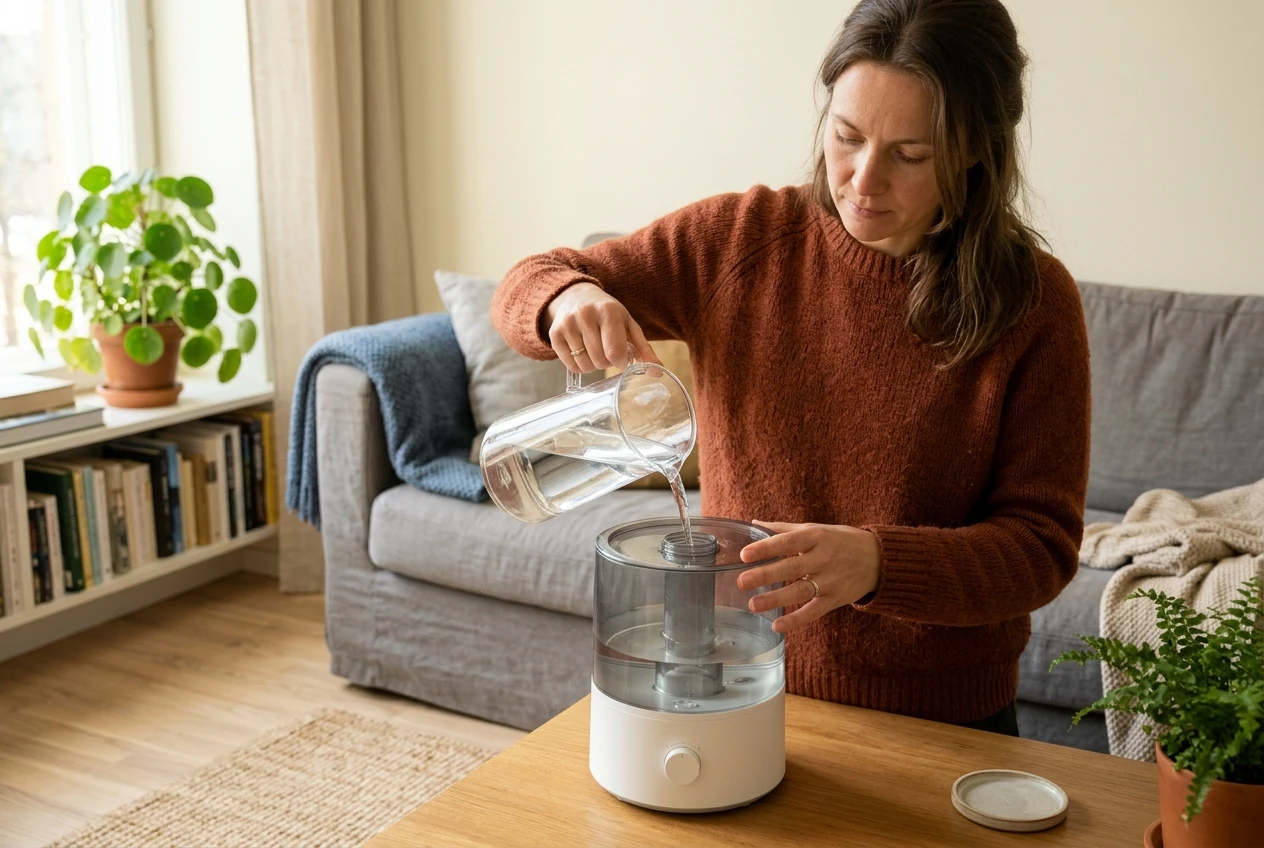
In cases of overly dry indoor air, a quality air humidifier can help. When using the device, it's important to pay attention to its cleanliness and regular maintenance. The humidifier should be cleaned according to the manufacturer's instructions and, if possible, use mineral-free or distilled water to reduce scale buildup and the spread of unwanted particles in indoor air.
It's also worth reviewing your heating settings. Overheating rooms significantly worsens the dryness problem, so it's sensible to keep living room temperatures in the range of 20–21 degrees during winter. To ensure heat is distributed evenly throughout the home and radiators operate regularly, regular heating system maintenance is essential, which also prevents unnecessary energy consumption.
Do not turn off ventilation during winter, as stagnant air exhausts the body. Instead, ventilate rooms briefly and intensely or use heat recovery ventilation, which helps exchange indoor air smoothly. If humidity needs to be added to living spaces, then in moisture-prone rooms, the opposite applies – ensure good air circulation to maintain balance and keep surfaces dry; if needed, simple tips on how to prevent mold in the bathroom can help.
In addition to technical solutions, indoor climate can be supported by greenery. Lush houseplants release watering water into the air through their leaves and raise the room's natural humidity levels. Such small changes combined with appropriate textiles and lighting create a holistic room from which to draw inspiration from the article ideas for increasing home comfort.
A balanced home in every season
The dry air of the heating period is a natural physical phenomenon, but alleviating it is in every homeowner's hands. Choosing the right room temperature, purposeful use of an air humidifier, and thoughtful ventilation of rooms create a fresh and cozy environment where it's good to rest and work.
If you want to find a new apartment with a modern ventilation system or an energy-efficient house, explore thousands of listings and take your next conscious step on the Kinnisvara24 portal.
Search
Keywords
Most read articles
- Price per Square Meter of Apartments in Tallinn in 2025

- Apartment Market in Early 2026: Prices Rising, Transaction Activity Remains Modest

- Apartment Market in Early 2026: Prices Rise, Transaction Activity Remains Modest
- Estonian Apartment Prices and Market Expectations in 2025

- Notary Fee and State Fee – Who Pays and How Much?