Why Cucumbers Become Bitter and How to Ensure a Sweet Harvest
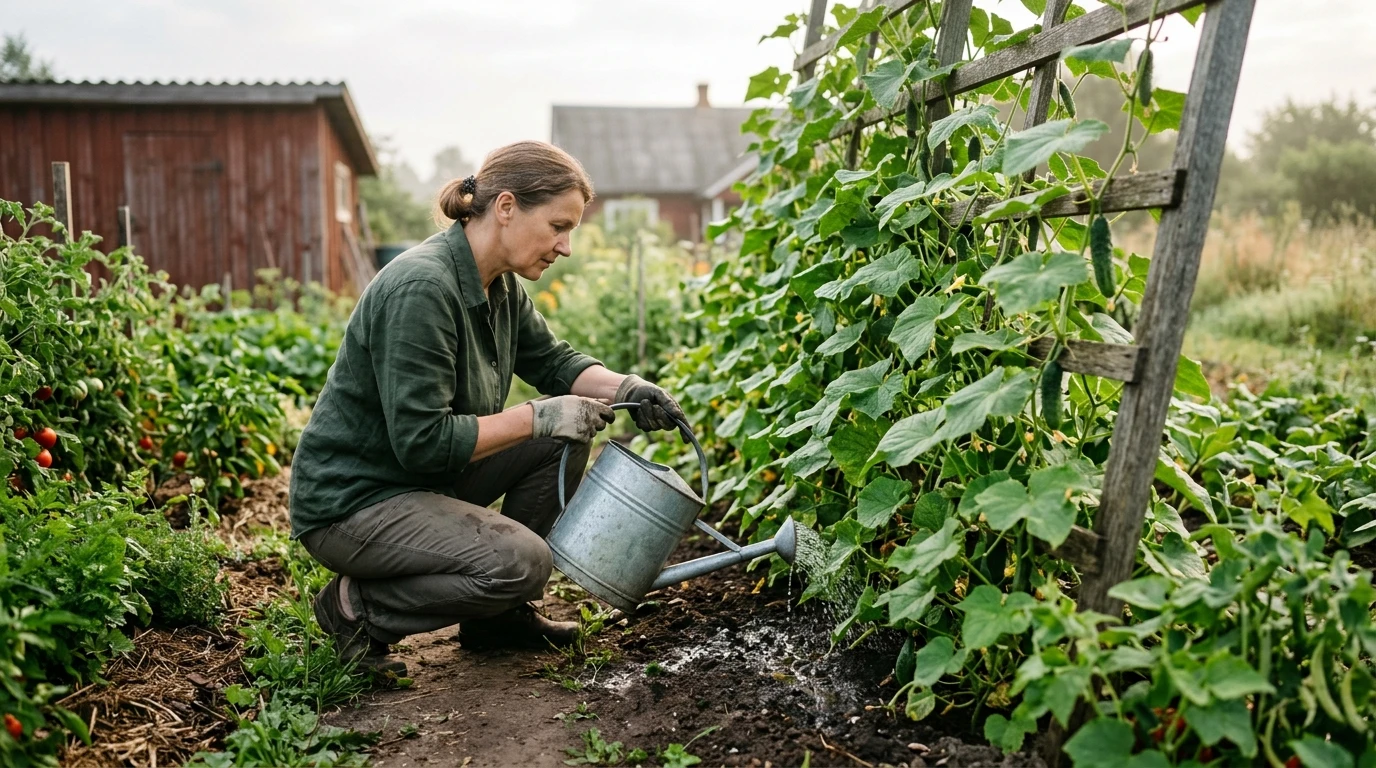
Have you ever bitten into an apparently perfect homegrown cucumber, only to discover it was unexpectedly bitter? This unpleasant taste is a natural defensive reaction of the plant to unfavorable growing conditions, but during the 2026 season you can completely prevent it with conscious care.
Cucurbitacin C and the impact of environmental stress
The bitterness of cucumbers is caused by a compound called cucurbitacin C, which acts as a natural defense mechanism in cucumber plants. Recent research confirms that this compound is activated mainly by environmental stress, such as uneven moisture, sudden temperature fluctuations, or nutrient deficiency. Although in small amounts it may not be harmful, 2024 food safety reports have noted that excessive consumption of cucurbitacins can cause digestive disorders in more sensitive individuals. Therefore, you need to create a stable growing environment for your plants that keeps the fruits sweet and healthy.
Stable moisture regime and proper watering technique
One of the main reasons why cucumbers become bitter is uneven and insufficient watering. Cucumbers need constant moisture for fruits to develop quickly and evenly. It is recommended that you water the plants in the morning directly at the root area, avoiding wetting the leaves, as this helps prevent disease spread and maintain optimal moisture levels. The soil should be moist at least 15 centimeters deep to promote the development of a deep root system. If you plan to expand your gardening in the new season, a thorough spring garden cleanup will help prepare the beds and improve the soil, creating the conditions for a stress-free harvest.
Temperature and controlled soil environment
Temperature regulation plays a critical role especially for varieties grown in greenhouses, where excessive heat can force the plant into defense mode. When the temperature rises above 30 degrees, the level of bitter compounds in the fruits immediately increases as well. In greenhouses, you need to keep the temperature between 18–25 degrees, using shading or floor spraying to lower the heat. If you don't yet have a suitable place for growing plants, greenhouse installation is a valuable investment that provides plants with a controlled environment and protection against unexpected night frosts.
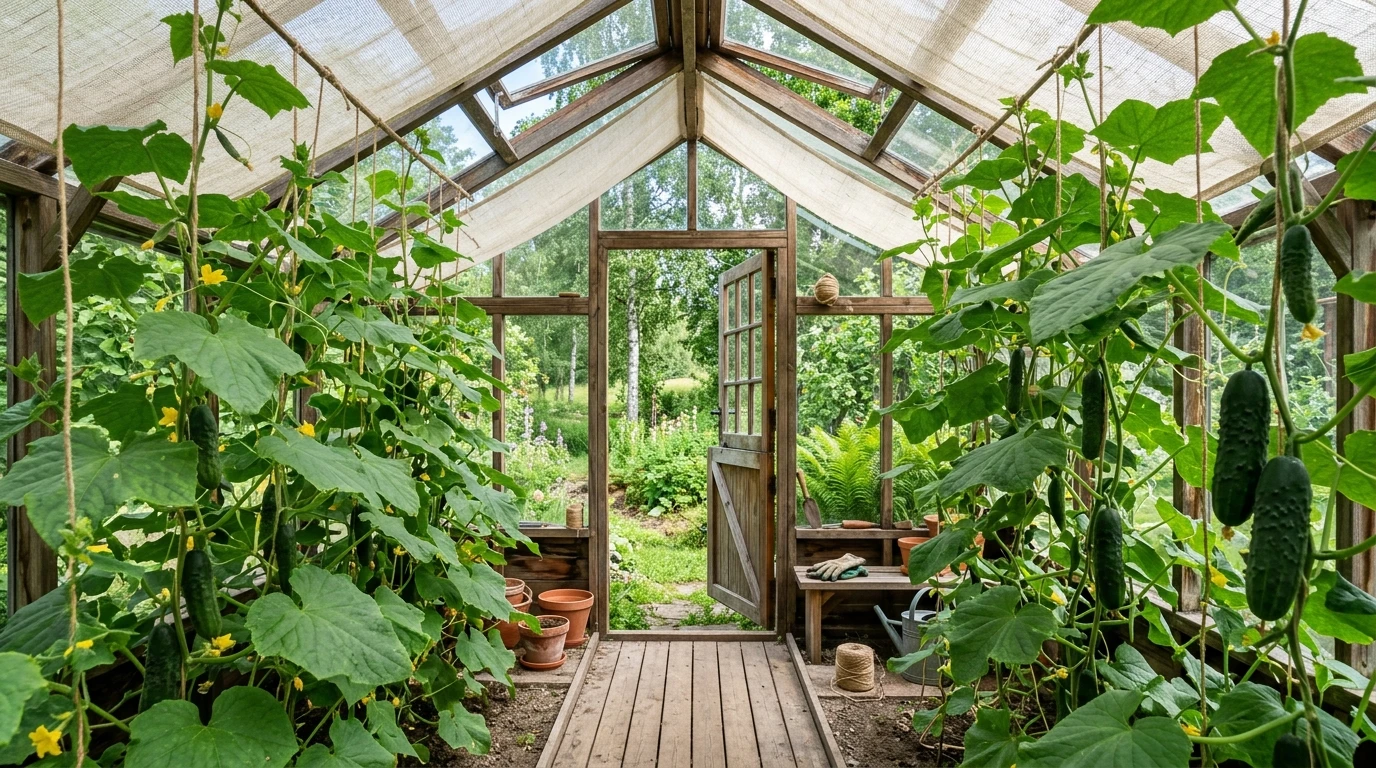
Cucumbers are very demanding in terms of nutrients and require fertile, organic matter-rich soil. Excessive nitrogen fertilizer can promote the development of bitterness, so it's worth preferring well-decomposed compost or other organic fertilizers. Mulching, such as with black film or organic material, helps keep the soil warm and maintain the necessary moisture even on the sunniest days. More detailed instructions on when is the right time to move young plants outdoors can be found in our article on growing cucumbers.
Variety selection and optimal harvest time
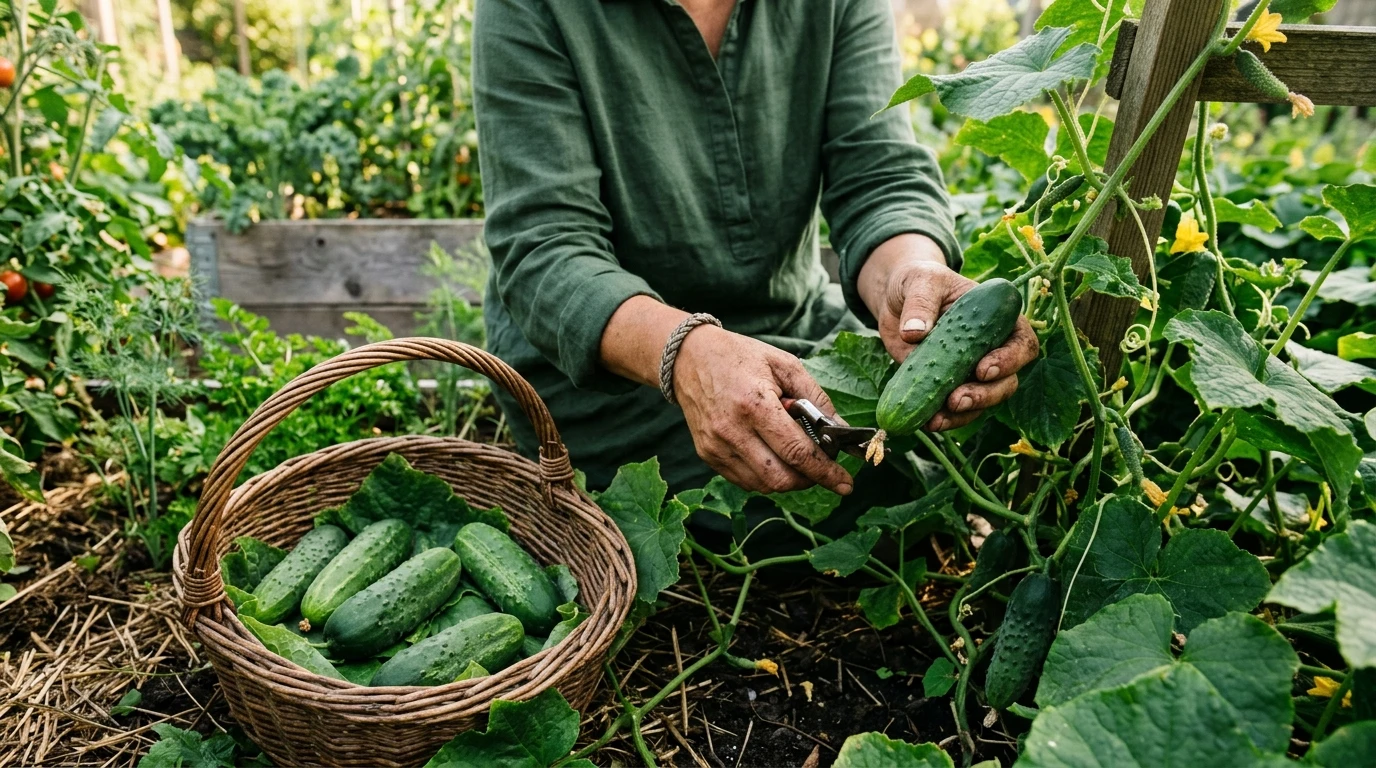
Conscious variety selection is the easiest way to avoid bitterness problems before the growing period even begins. Today, many new hybrid varieties are available that have been specifically bred to be bitter-free, meaning they do not produce cucurbitacin even in stressful conditions. From the seed packet you should look for markings such as "bitter-free" or "burpless". In addition to variety selection, it is important to harvest the crop at the right time, because fruits that have grown too large and overripe begin to change flavor and the development of new fruits is suppressed. Timely harvesting ensures the best texture and sweet taste characteristics.
The foundation of quality harvest is always a suitable growing location and consistent care, whether you have a large garden or a compact home garden at your disposal. Kinnisvara24 offers a wide selection of homes that already have fertile garden soil or space for a new greenhouse, so you can enjoy home-grown food. Find your next dream home on the Kinnisvara24 portal.
Search
Keywords
Most read articles
- Price per Square Meter of Apartments in Tallinn in 2025

- Apartment Market in Early 2026: Prices Rising, Transaction Activity Remains Modest

- Apartment Market in Early 2026: Prices Rise, Transaction Activity Remains Modest
- Estonian Apartment Prices and Market Expectations in 2025

- Notary Fee and State Fee – Who Pays and How Much?