What to Do When Rainwater Enters Your Basement
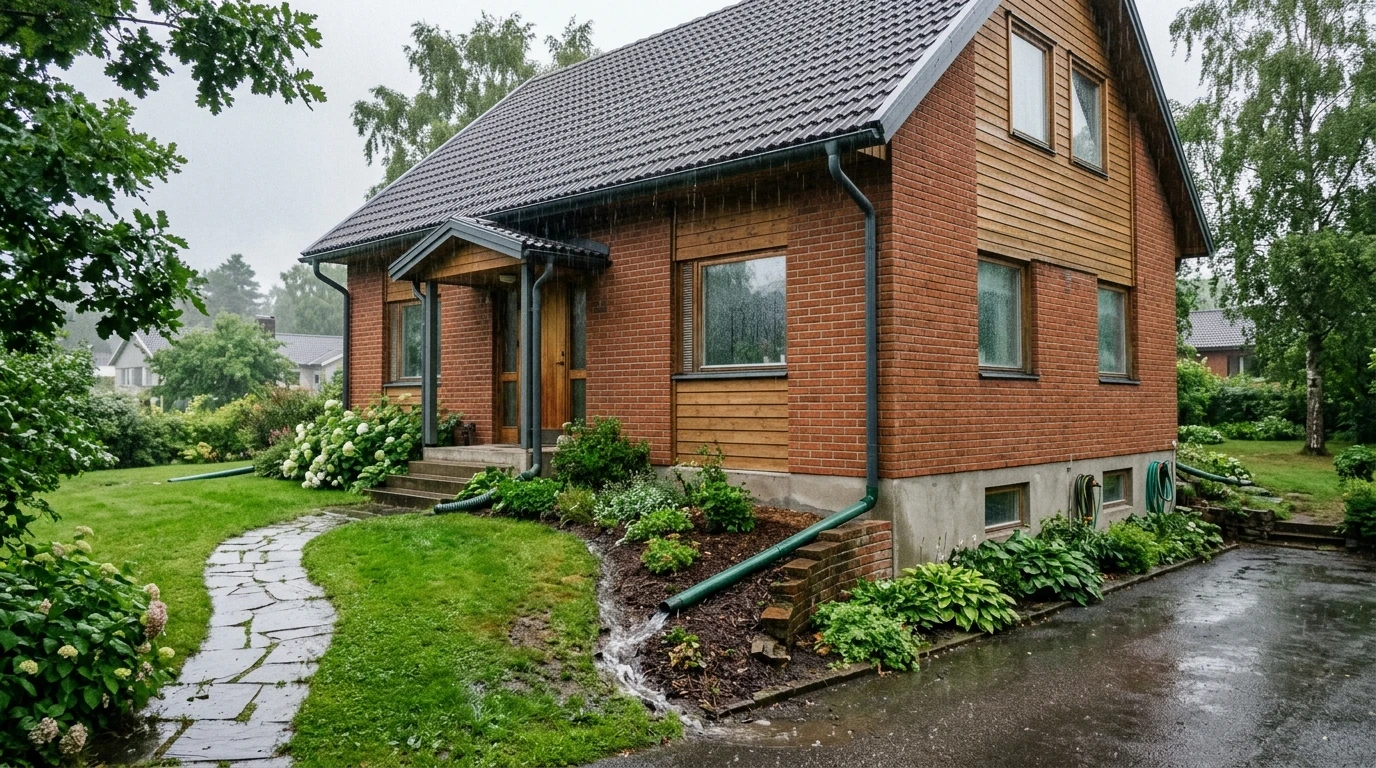
Have you noticed suspicious moisture on your basement floor or even standing water after a heavy downpour? Water intrusion into living spaces requires quick action to protect your home's structures and avoid costly repairs. In this guide, we explain how to act safely in a crisis situation and what are the best solutions for preventing floods in 2026.
Initial steps to ensure safety and limit damage
When you notice water entering your basement, your first priority is safety, not saving possessions. Before stepping into water, turn off the electricity from the building's main panel, as water can be electrically charged and cause a fatal electric shock. Never enter a flooded room if there is any suspicion that water is in contact with electrical outlets or electrical equipment. After the water recedes, always call a professional electrician to check the system's safety before restoring power. Also avoid using gasoline-powered pumps or generators in the basement, as they produce deadly carbon monoxide in enclosed spaces.
Water intrusion can often be temporarily slowed by sealing basement windows and ventilation openings or using sandbags in front of doors. If water is entering through the sewage system, it can help to block floor drain traps and toilets with heavy objects or special plugs. If you live in an older building, checking the condition of the foundation and basement is particularly important, as moisture damage and sediment can weaken the structure over time. To protect household valuables, it's smart to keep things on shelves at least 10–15 centimeters above the floor, which is discussed in more detail in the guide to planning a basement and pantry.
Water pumping and the risk of hydrostatic pressure
Although the desire to remove water from the basement as quickly as possible is great, pumping too quickly can cause more damage to the building structure than the water itself. Water-filled soil outside the foundation creates strong hydrostatic pressure, which pushes on the basement walls from the outside. If you pump the basement dry while the soil around the house is still full of water, the loss of internal pressure can cause the basement floor to heave or the walls to cave in. The best thing to do is to wait until the water level outside the building has dropped lower than inside the basement.
A safe method is to remove water gradually, for example about 30 centimeters per day, monitoring whether the water level rises again overnight. If the water remains stable, you can continue the next day. This balanced approach helps keep the pressure on the walls even and reduces the risk of major structural damage. If you are just about to buy a new residence, have a thorough pre-purchase property inspection performed to identify hidden moisture problems. It's also worth reviewing your home insurance policy to avoid common mistakes in choosing insurance and ensure adequate protection in case of water damage.
Drying and mold prevention after flooding
After removing standing water, it is critical to begin drying the rooms within the first 24 to 48 hours, as mold fungi begin to develop on moist materials within a single day. Open windows and doors to ensure air circulation, and use powerful dehumidifiers and fans. Fans should be positioned so that they blow moist air out of the rooms, not spread mold spores throughout the house. All porous materials that got wet, such as carpets and drywall, are often best replaced, as they are difficult to fully disinfect.
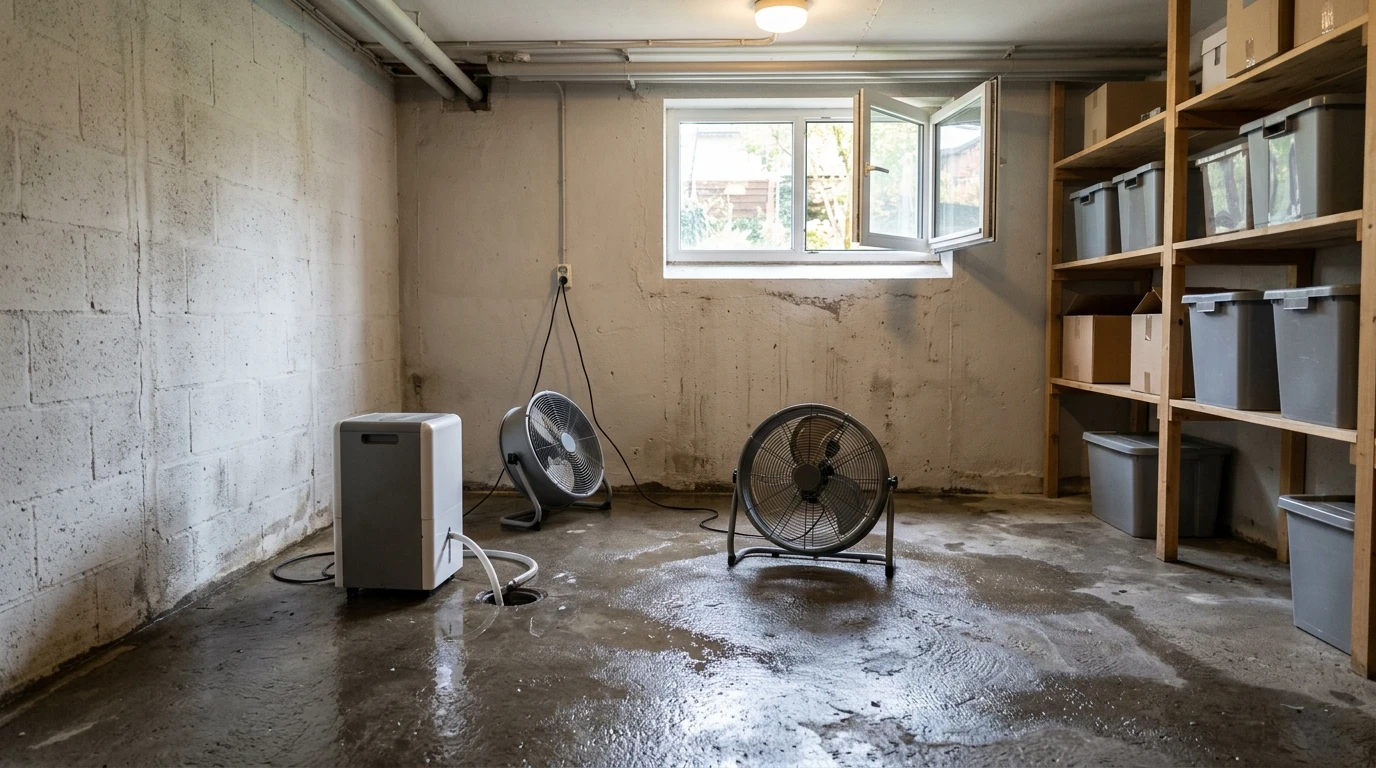
Mold is not just an aesthetic problem, but a direct threat to your family's health. Practical instructions for detecting and removing fungal damage are provided in the guide to mold removal and prevention, which emphasizes cleaning surfaces with appropriate tools and ensuring adequate ventilation. Before proceeding with finishing work, use a moisture meter to ensure that the moisture content of building materials has dropped below 15 percent. This is the only sure way to prevent mold from recurring behind closed structures.
Long-term solutions for keeping the basement dry
To prevent flooding from recurring, you should critically review the surrounding landscape of the house and water drainage systems. The most effective method is to ensure that the ground slopes away from the building, directing rainwater at least two to three meters away from the foundation. Regularly clean gutters and make sure that downspouts do not end immediately next to the foundation. In addition to ground grading, it is recommended to install a sump pit in the basement with an automatic pump and use check valves in the sewage system, which prevent wastewater from entering the pipes in case of system overload.
If you are just planning to build your own home, then when selecting and purchasing a plot it's worth researching the general drainage and groundwater level in the area. Continuous care and a systematic approach to drainage provide peace of mind even during the stormiest times. However, if current moisture problems have become too burdensome and you are looking for a new safe home, explore quality house sales offers throughout Estonia on our portal, where you can conveniently filter listings according to your preferences.
Search
Keywords
Most read articles
- Price per Square Meter of Apartments in Tallinn in 2025

- Apartment Market in Early 2026: Prices Rising, Transaction Activity Remains Modest

- Apartment Market in Early 2026: Prices Rise, Transaction Activity Remains Modest
- Estonian Apartment Prices and Market Expectations in 2025

- Notary Fee and State Fee – Who Pays and How Much?