What to Do If Your Neighbor Feeds Seagulls in an Apartment Building
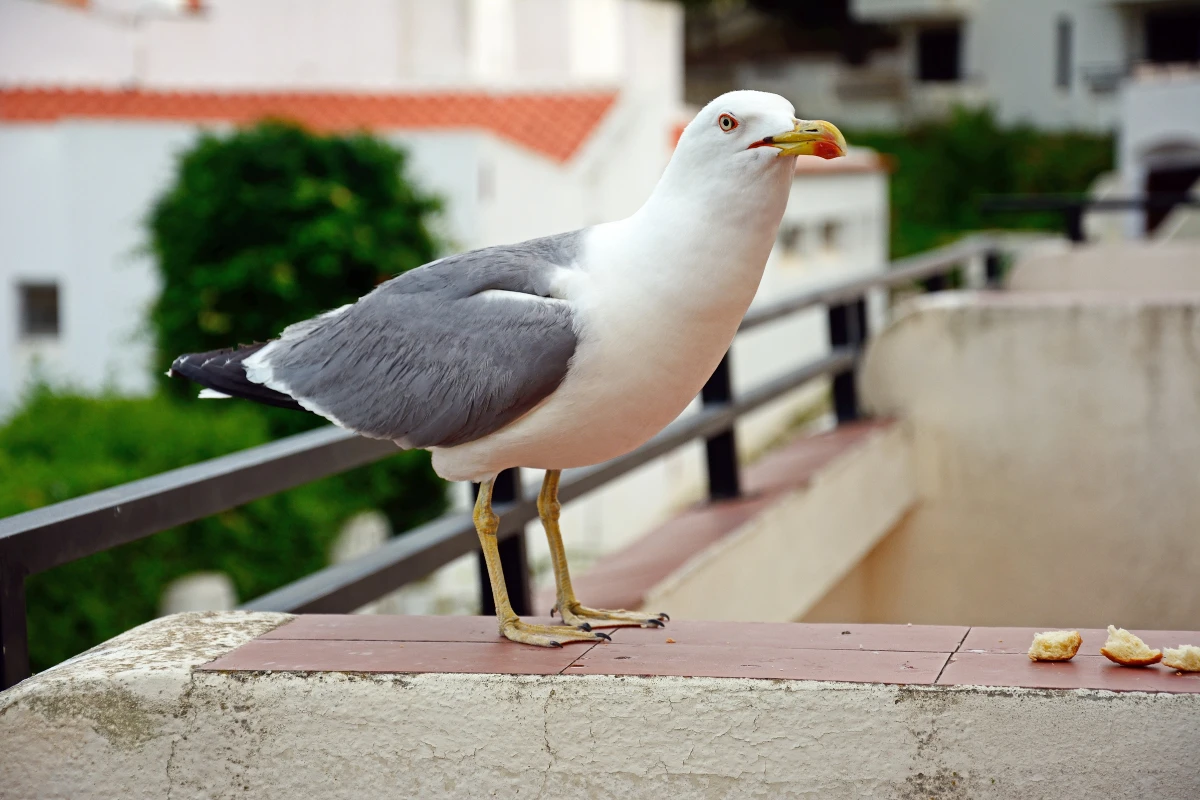
Does early morning seagull noise and dirty windowsills disturb your home peace? If a neighbor deliberately feeds city birds, the housing association has clear legal and practical steps to protect the living environment and restore cleanliness.
Why feeding city birds in an apartment building causes problems
Feeding seagulls from a balcony or windowsill may seem like a well-intentioned act at first glance, but in a densely populated apartment building it quickly creates serious inconveniences. In search of food, city birds create loud noise early in the morning, which can significantly disrupt residents' sleep quality and daily well-being. In cases of noise disturbance, many residents seek soundproofing solutions and investigate how sound insulation and partition panels help create quiet rooms, although the actual source of the problem needs to be addressed at the association level.
In addition to noise, bird droppings damage the building facade, windows, and parked cars in the courtyard. Food left on balconies or windowsills also attracts other pests. Therefore, it is extremely important to ensure that food waste is not accessible to birds and to know exactly how to sort waste at home, keeping household and bio-waste containers always tightly sealed.
What rights and obligations does an apartment owner have
Estonian legislation imposes clear obligations on each apartment owner to maintain order for other residents. According to the Apartment Ownership and Housing Association Act, as an apartment owner you must act in good faith towards others and consider the legitimate interests of neighbors. The same law stipulates that an apartment owner must maintain their individual property in good condition and refrain from activities whose effects on others exceed the limits of normal property use.
Since regular feeding of birds creates extensive noise and pollution that exceeds the effects of typical apartment use, such behavior violates obligations arising from law. The housing association board has full authority and responsibility to demand the cessation of the activity and to protect the common interests of all apartment owners.
House rules supplementation and preventive technical solutions
Clear rules ensure harmony in the building and prevent misunderstandings. At the housing association general meeting, you can adopt or supplement the building's internal regulations, establishing a clear ban on feeding wild birds in the courtyard, on balconies, windowsills, and under roof eaves. A well-thought-out house rules document is among those effective measures through which practical ideas for improving home comfort can be implemented.
In addition to house rules, attention should be paid to preventive technical measures. Environmental Agency guidelines emphasize that wild bird nesting should be prevented early, before the spring season begins. Protective nets, wires, or spikes can be installed on roofs and balconies to prevent seagulls from landing. It should be noted that according to Nature Conservation Act requirements, destruction of bird nests or eggs and disturbance of nests during nesting season is prohibited. Therefore, all structural deterrents must be installed well before the nesting season begins.
Step-by-step action plan to stop the disturbance
If a neighbor continues feeding seagulls despite warnings, it is advisable for the housing association to act calmly and consistently. First, it is worth starting with direct communication, explaining the risks associated with feeding birds and requesting the cessation of the activity. If friendly conversation does not produce results, the housing association board sends the apartment owner a written official warning, referring to house rules and setting a reasonable deadline for stopping the violation.
Step by step, you should also gather necessary evidence, as the party demanding cessation of the violation must be able to confirm its claims. The association can document photos or videos of the feeding fact, collect written statements from neighbors, and record costs related to facade cleaning. If necessary, local government code enforcement or municipal police can also be involved, who conduct on-site inspections and clarify public order requirements.
Legal solutions and restoration of home peace
In situations where warnings and code enforcement advice do not work, the housing association can use legal remedies. The association has the right to demand through court the elimination of property rights violations and cessation of further violations. If the neighbor's behavior continues to significantly disrupt other residents' daily lives, apartment owners can vote in favor of submitting a request for forced alienation of the apartment property.
Limiting seagull feeding near an apartment building protects the building facade and ensures all residents a quiet and pleasant home environment. Systematic action from supplementing house rules to taking necessary official steps helps restore cleanliness and peace for the entire building community. If you want to find answers to other residential property questions or are looking for a new quiet home, familiarize yourself with real estate offers and helpful advice on the Kinnisvara24 portal.
Search
Keywords
Most read articles
- Price per Square Meter of Apartments in Tallinn in 2025
- Apartment Market in Early 2026: Prices Rising, Transaction Activity Remains Modest
- Apartment Market in Early 2026: Prices Rise, Transaction Activity Remains Modest
- Estonian Apartment Prices and Market Expectations in 2025
- Notary Fee and State Fee – Who Pays and How Much?