What Can a Housing Cooperative Prohibit and What Not?

Can a housing cooperative ban apartment rentals or prevent renovations? Many owners face restrictions that actually don't align with the law. In this article, we clarify where the boundaries lie between your rights and the cooperative's authority, so you can enjoy your home without unnecessary limitations.
Use of private property and apartment renovations
As an apartment owner, you have a legal right to use your private property—the apartment itself—exactly as you see fit. As long as your actions don't violate the law or harm your neighbors' legitimate interests, interior design and standard renovations are entirely your responsibility. This means wallpapering, painting walls, or replacing parquet are your free choice, and you don't need permission from the housing cooperative. However, the Apartment Ownership and Housing Cooperative Act requires you to maintain temperature and air humidity in your living spaces that ensure the building's structural integrity and your neighbors' comfort.
Shared property boundaries and building structure modifications
Your freedom ends where shared property begins—the facade, roof, stairwells, and building systems running through apartments like risers and radiators. Unauthorized changes to these parts are strictly prohibited and require the cooperative's approval. If you plan to demolish load-bearing walls or replace windows, this constitutes reconstruction, which requires local government involvement and the housing cooperative's participation in the process. In such cases, the cooperative may set conditions to ensure the entire building's safety and architectural unity. If you want to maintain neighborly relations and prevent noise transmission, sound insulation and partition panels are a smart investment, but when installing them, you must ensure that shared structures and building systems aren't damaged.
Short-term rentals and apartment owner's fundamental rights
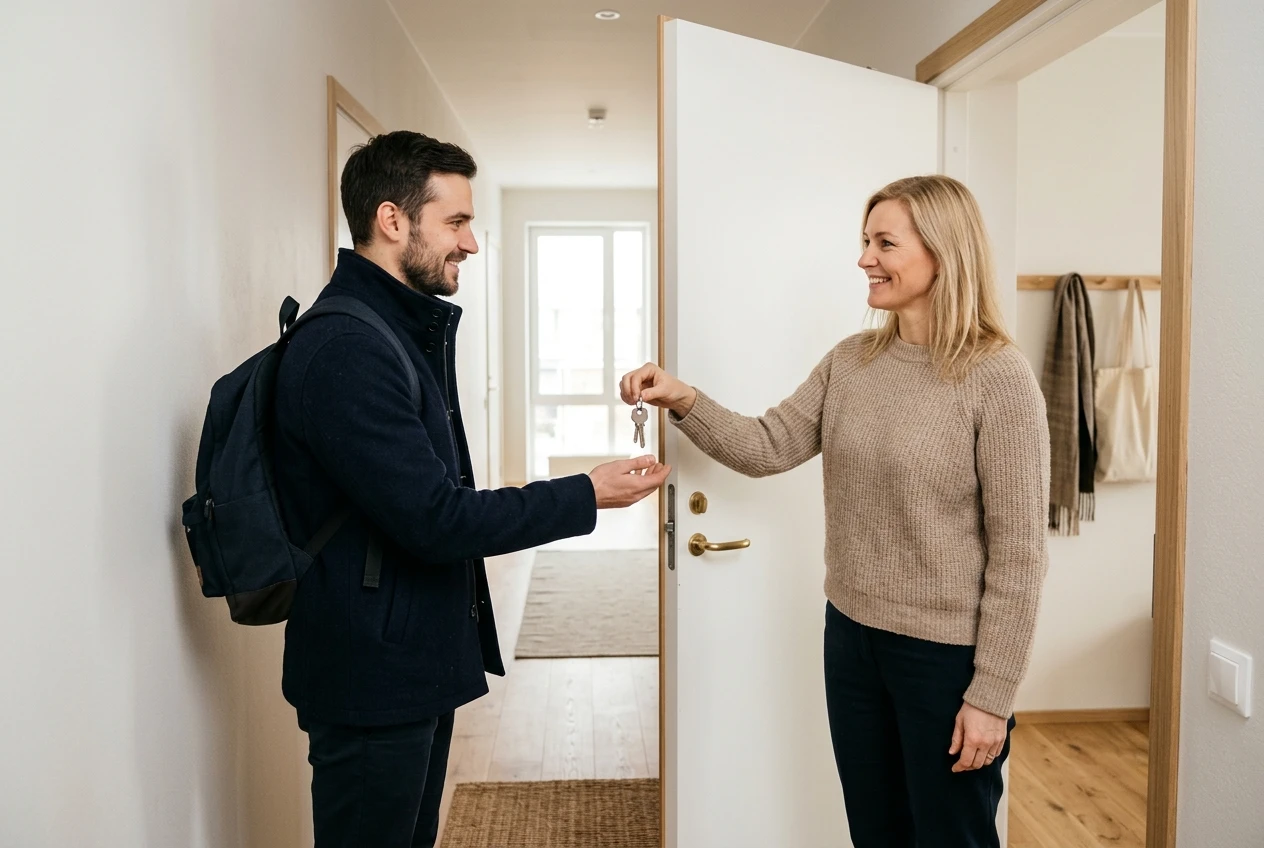
One of the most common points of dispute is apartment rentals through platforms like Airbnb. It's important to know that a housing cooperative cannot ban short-term rentals in its bylaws, as this is a fundamental right of apartment owners to freely use their property. To impose such a restriction would require 100 percent consent from all apartment owners and a corresponding entry in the land register, which is practically impossible to achieve. If you want to know what a guest apartment should be like, the main emphasis is on polite behavior and adherence to house rules. The cooperative has the right to demand apartment alienation only in extreme cases where tenants repeatedly violate quiet hours or cause serious disturbances in other ways. Properly managed short-term rental is a profitable opportunity that requires owner diligence and quick response to neighbor feedback.
Common areas and parking arrangements
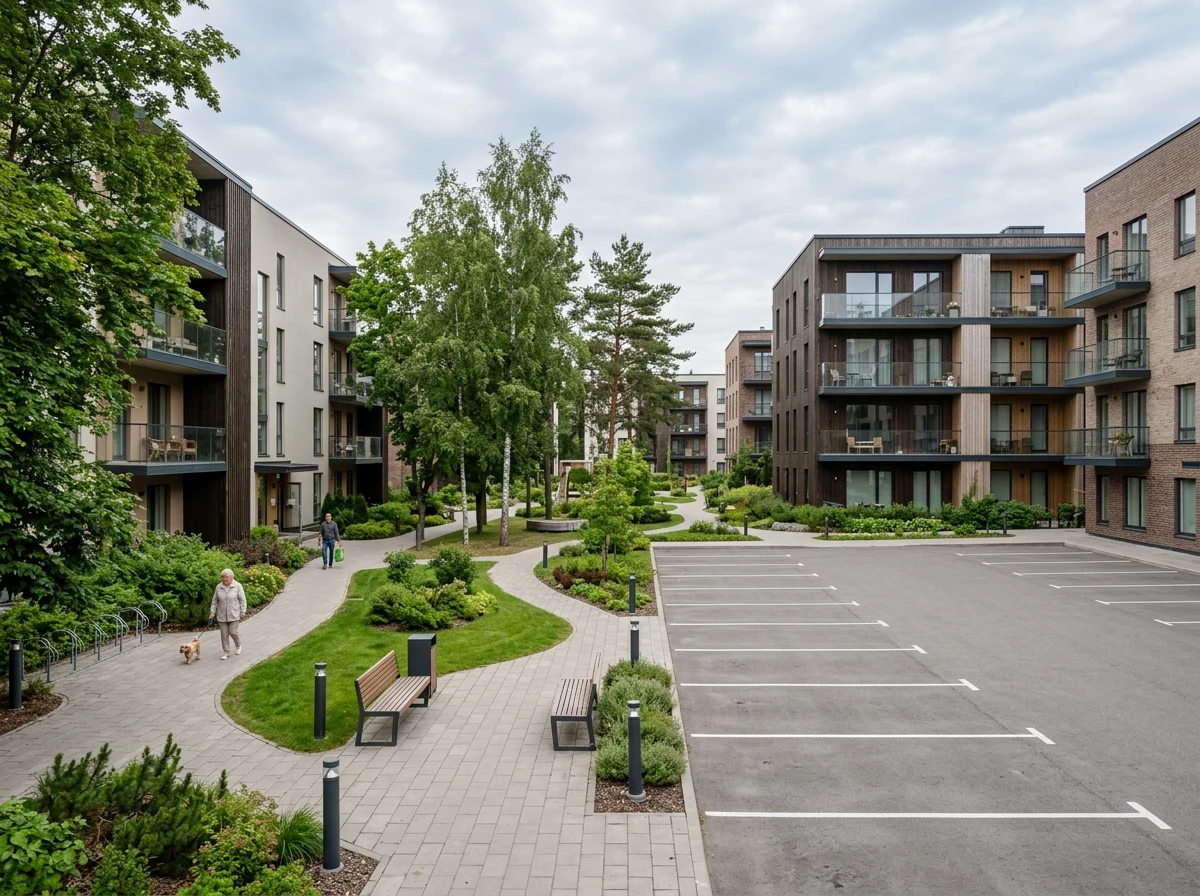
Regarding parking and other shared spaces, the cooperative has broader authority, but there are also legal rules here. The cooperative's general meeting can establish general parking regulations by majority vote, but the distribution of specific designated parking spaces requires the consent of all owners or a notarized usage agreement confirmed by a notary. Recently, there has been a market trend where new cellars and parking spaces are being converted into living spaces, but such renovations must always comply with health and safety standards and be properly coordinated. If you want to refresh your living environment, small balcony ideas offer many creative solutions, but keep in mind that elements that change the facade's general appearance, such as balcony glazing or permanent awnings, typically require prior cooperative approval.
House rules legality and challenging decisions
House rules established by a housing cooperative must always comply with state laws. For example, house rules cannot impose stricter quiet hours than those set by the Public Order Act, which establishes quiet periods from Sunday to Thursday between 22:00–06:00 and Friday and Saturday between 00:00–07:00. Similarly, the cooperative has no right to ban pet ownership if the animals don't disturb other residents and their care complies with local regulations. If you believe the cooperative has made a decision that is unlawful or unjustly violates your rights, you have the opportunity to challenge it in court within 60 days. Therefore, before a real estate transaction, it is critically important to familiarize yourself with the cooperative's previous decisions and financial situation.
Understanding your rights and obligations is the best way to ensure peaceful and enjoyable home life and avoid unnecessary conflicts. If you're looking for a new home or want to find a reliable tenant, the Kinnisvara24 portal offers you a convenient and modern environment with comprehensive statistics. Explore fresh listings and find a suitable apartment or ideal rental apartment today to make your next real estate decision with confidence.
Search
Keywords
Most read articles
- Price per Square Meter of Apartments in Tallinn in 2025

- Apartment Market in Early 2026: Prices Rising, Transaction Activity Remains Modest

- Apartment Market in Early 2026: Prices Rise, Transaction Activity Remains Modest
- Estonian Apartment Prices and Market Expectations in 2025

- Notary Fee and State Fee – Who Pays and How Much?