Renovating an Old (Farm)House: What to Keep in Mind?
Renovating an Old (Rural) House: What to Keep in Mind?
As MTÜ Vanaajamaja states on their website, "before you start rebuilding an old farmhouse, investigate-measure-think it through and if your knowledge and skills fall short, ask for advice from craftsmen." Therefore, Kaanon Kinnisvara spoke with log house construction teacher and Vanaajamaja founding member Ragner Lõbu about what principles to follow when renovating an old house.
How popular is renovating old (rural) houses really, and has the desire among Estonians to renovate their old country homes grown in recent years?
Over the past year, renovating old rural houses has certainly become considerably more popular. There is a well-known reason for this: the health crisis has prompted people to move from cities to the countryside more. There are quite a few who are looking for a place, thinking that if the current crisis continues or a new one emerges, they will have their own home and security.
Rural properties have become more valuable, including old farmsteads. Two or three years ago, it was often the case that a person looking for an old farmstead was quite demanding. They wanted to find a place that wouldn't require much work. But now there is a growing trend where even buildings that require relatively significant renovation are finding new owners. In any case, the purchase of old rural properties and the restoration of farms has accelerated considerably.
What is the most common request you receive?
There are many inquiries from people who want to buy an old farmstead for themselves, and these are certainly the most numerous. They simply want to know what condition a particular farmstead is in. We go through it together, examine its condition, and discuss the work that absolutely needs to be done.
Since people are now spending more time at home (they cannot travel, they have more time), there is also active restoration of old farmsteads that were purchased long ago. The share of people who wish to fix up a specific part of their old house has also increased significantly.
I want to renovate an old country house of my own or nearby. Where should I start?
Before you buy anything or go to view it, you need to think through for yourself whether you need it as a summer cottage or for year-round living. These are two quite different things.
Old country houses are almost all such that you can live in them quite well in summer, but often they are not built according to modern standards. If you want year-round living, then you need to thoroughly verify what condition the house is in (of course, you need to do this properly all the time).
It is very important what the condition of the foundation, walls, and roof structure are. These three aspects are crucial, because the rest of the modifications and changes are simpler and cheaper. For example, if a building is built completely on the ground, then such a house may be suitable for a summer cottage, but for year-round living it will definitely be too cold, the house needs a new properly insulated foundation. And for an old house, this is quite a large job.
Walls: if there are some rotted spots in the lower logs or under the windows, then replacing them is not the biggest job, and if there are very few of them, then it may not be worth replacing them. This is especially true in the context of a summer cottage.
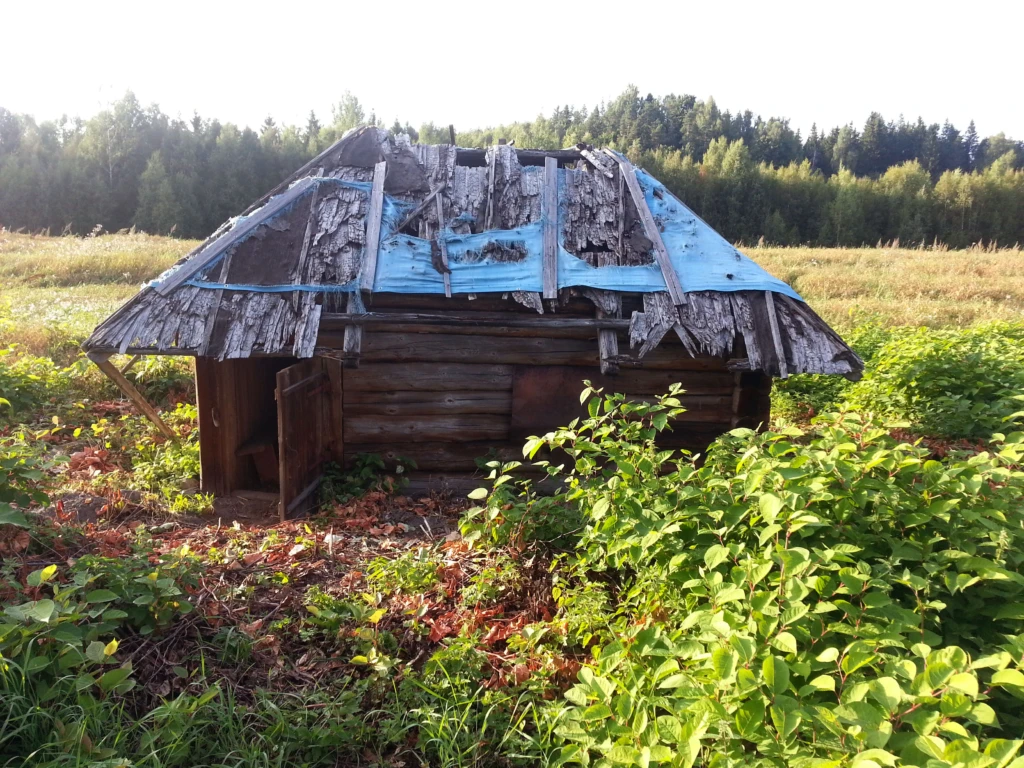
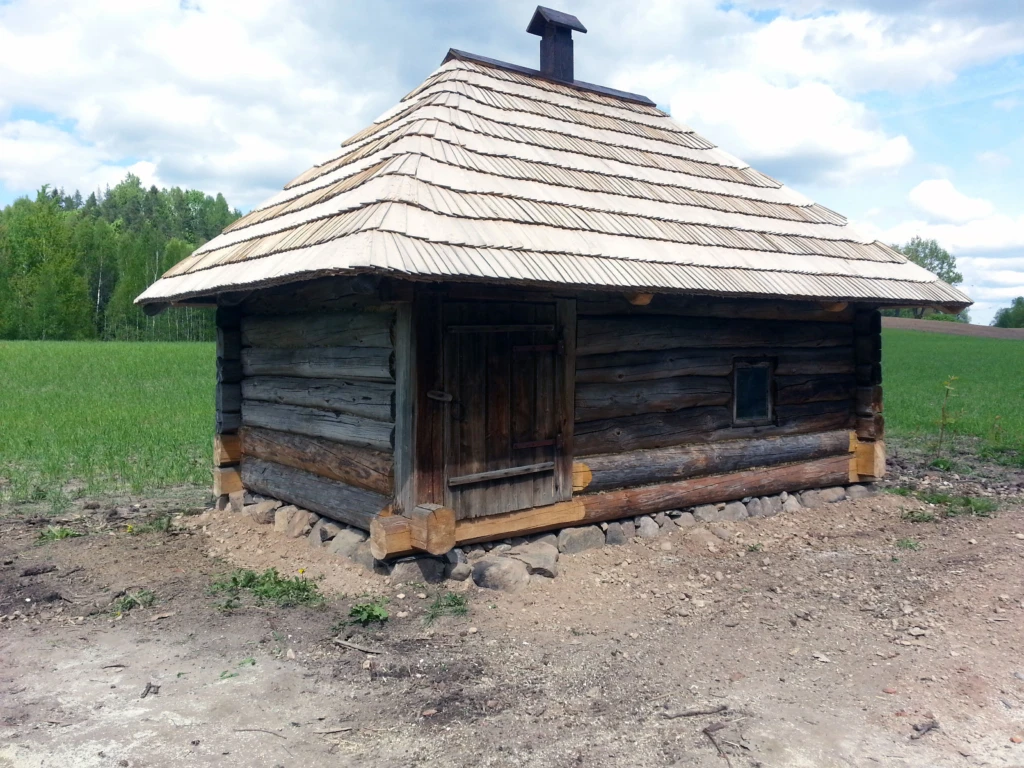
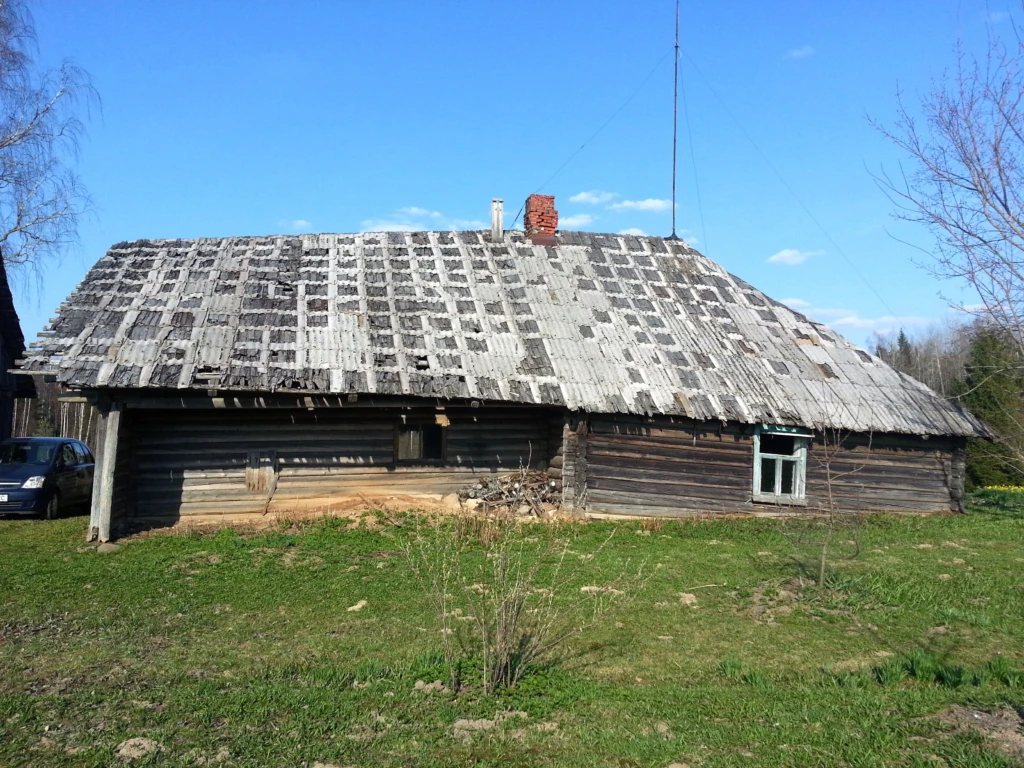
The roof is perhaps the most important. If the roof has held up nicely and it's clear that there are no major leaks anywhere, then often it's safest to buy a house based on the roof (however, if the rest is rotten, then there's no benefit from the roof either). If the roof is leaking, however, there is a great risk that there has been excessive moisture somewhere for a long time, which could cause the logs to rot and some structures to be severely damaged.
What work should you do yourself, and when is it advisable to bring in professional(s)?
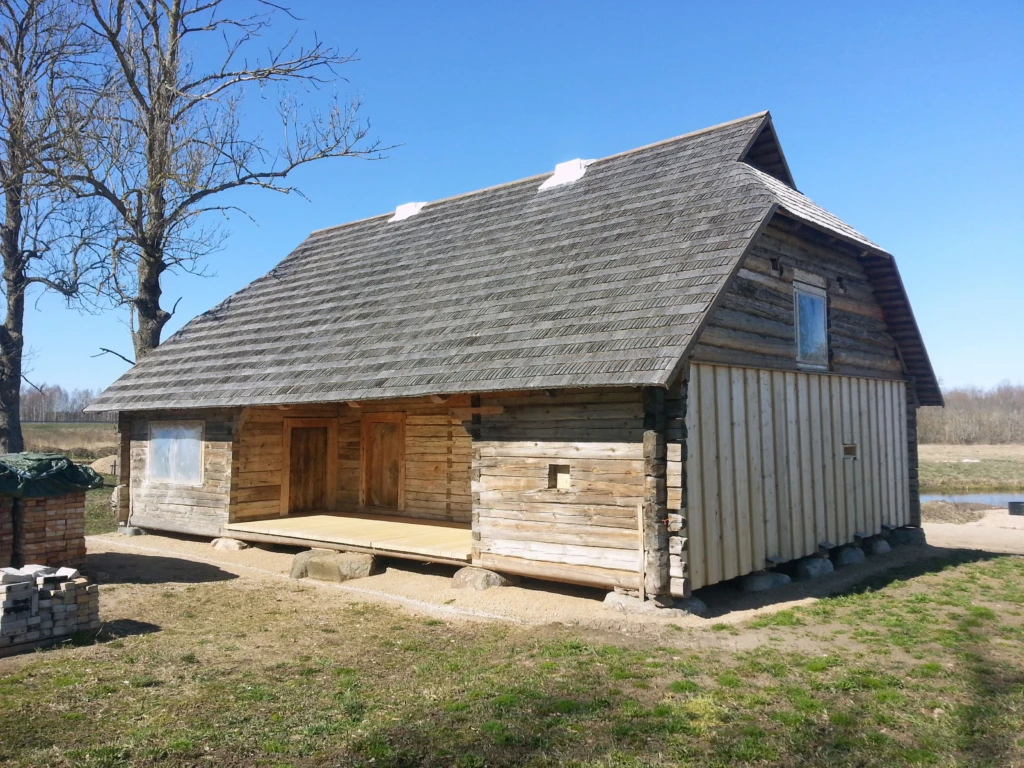
It is essential to involve a professional when replacing the foundation and walls. With the roof, a handy person may manage (if it's just replacing the roofing material).
Of course, you can always learn everything yourself and there are many places to learn from. For example, at Moostes we run courses for everyone who wants to start restoring their own house. Topics include log replacement, foundation repair courses, truss building, door-window-floor restoration, and so on. One option is that if resources are limited and you have plenty of time, you can take courses and do the work yourself. But ultimately, it's definitely safer to involve professionals.
One thing that may not be considered very important when it comes to old houses, and truthfully, sometimes it isn't as important if a person has good building experience, is an old house restoration project. By doing this, you know exactly what you want, you work through all the needs, special parts, and so on. This is extremely important. The biggest mistake that is often made is that you start with great enthusiasm and at some point you discover and think, how on earth can we do this or that.
In addition: if you don't have a project, it's very difficult to find a builder and get reliable quotes and cost estimates. Then often the builder says, listen, let's get started and see where we get to, which can lead in many cases to a mutual sort of throwing up of hands.
Who should you commission to create the project?
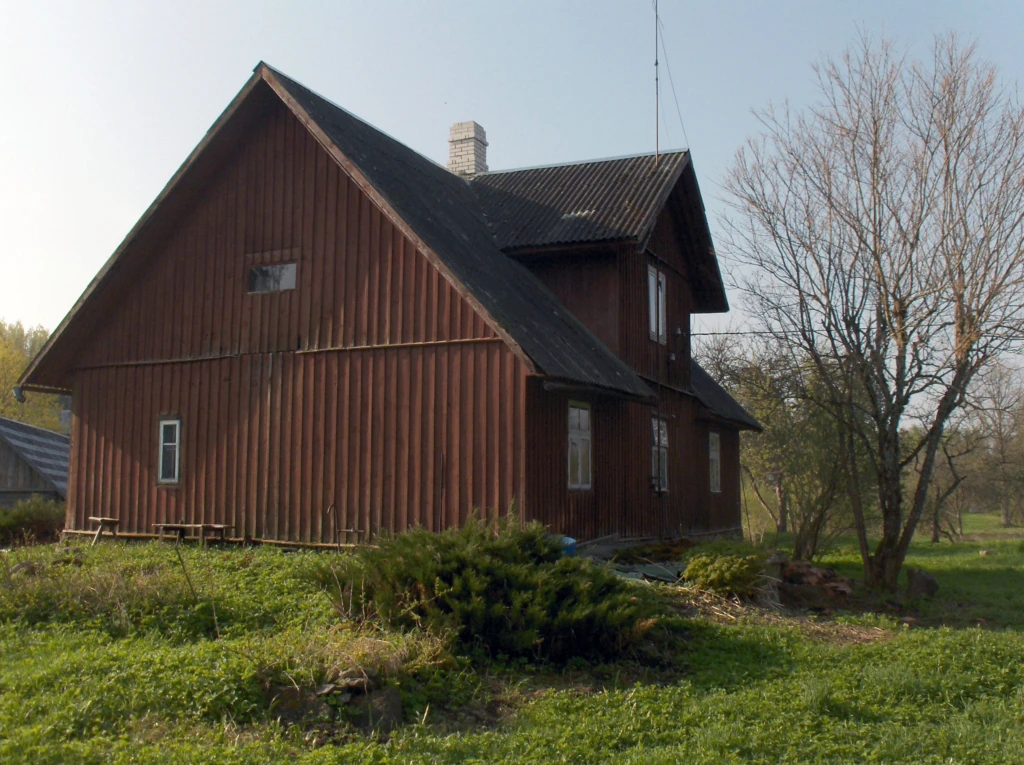
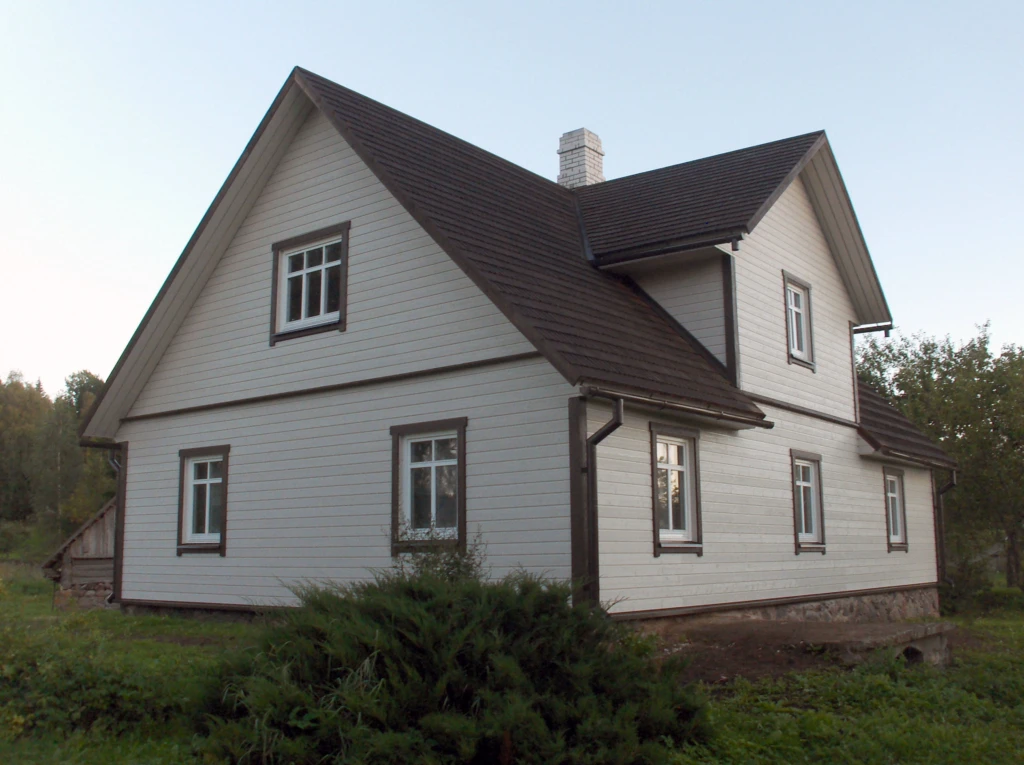
Among architects who build new houses, quite a few are capable of doing an old house restoration project. I think the role of an architect is very important. If you want a good end result, I cannot imagine that it's possible to achieve a good result without an architect – then it's more a matter of luck.
What are the most common problems with old (log) houses?
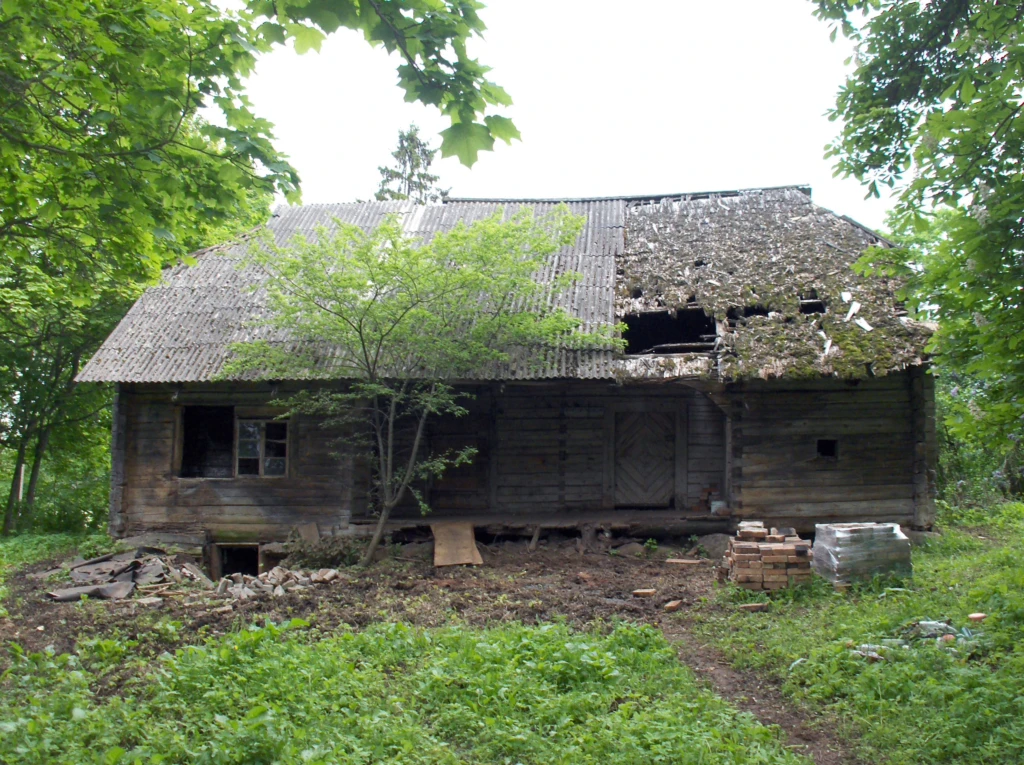
Very likely, the bottom log ring can be damaged. With old buildings, usually no moisture and insulation material was used between the log and stone, which is why moisture from the stone has caused the logs to rot.
Under the windows. Often, metal sheets were not used to direct water away from the foundation log, and moisture has gotten between the underwindow and the log, and these spots may have rotted.
Roof leaks. Often a roof has started leaking somewhere, and to the owner it seemed that this was nothing very special. But if there is continuous leaking, then an excessively humid environment is created. The logs don't dry out and similarly rot spots develop. Usually the situation results in rafters starting to sag somewhere or rafter tails breaking at the joints. Or there's also the case where electricity has been brought in through the roof, but it wasn't done properly. And then water has started coming in from where it was brought through, damaging the logs in the same way.
The owner can easily check for possible roof leaks themselves. For example, you can go up to the attic after heavy rain and check if any spot is leaking. Usually a stain appears there and even if it dries out, the stain is still a different color.
What renovation-related trends are currently prevalent among Estonians?
I think it's prudent to talk about trends when it comes to building new houses. An old country house has mostly set the framework.
There aren't that many people who bother with an old country house, because many still demolish the old house instead of restoring it and build a new one from almost scratch. One option is to build a new house like the old one, using the same materials and simply making it more trendy, modern, and thus more comfortable. Regarding what trends we can think about and follow, there are different interior design topics.
But yes, rather, those restoring old country houses are people who invent a lot themselves, using many original solutions. I don't know if that's unfortunate or fortunate, but to be honest, I like that people who fix up old country houses are often whimsical people in a good way. Almost all the restored houses I've seen have a certain quirk or the clear handwriting of the builder. Usually, people of this type direct the building themselves, taking work from different places and doing many things themselves. This is exactly how the most interesting end results are created.
What can you save costs on, and what should you definitely not do that on?
It's quite difficult to say. But I have the feeling that when redoing structures, you cannot save very much, they must be done properly. Costs can be optimized more with various interior design solutions.
It's certainly important to insulate the foundation, but if you have decent log walls and you plan to put cladding on anyway, then I dare recommend that perhaps it's not worth over-insulating the log wall. With a log wall, it's essential to block the wind. Definitely use a wind barrier board on top of the log wall, and preferably the thickest one. If you have decent log walls in place, that already gives a pretty good effect.
Rather, with interior work there are many opportunities to save costs, and also by doing certain work yourself: cleaning and demolition work, trash hauling, etc.
There is no such thing as being able to renovate for half the originally calculated cost.
General recommendations and rules regarding renovation choices
1) Look at the big picture. There's no point in jumping right at the saw, but rather thinking through the entire house restoration and not part by part or two at a time, but as a whole. How do I fix the foundation? What do we do with the walls, ceiling, and floor? Do we restore the doors and windows or get brand new ones? Which heating system to choose? And so on, there are many topics.
As mentioned above, the recommendation is to hire an architect or, if you have the knowledge and skills, do this work in writing and thoughtfully yourself, and then show the comprehensive vision to the builder.
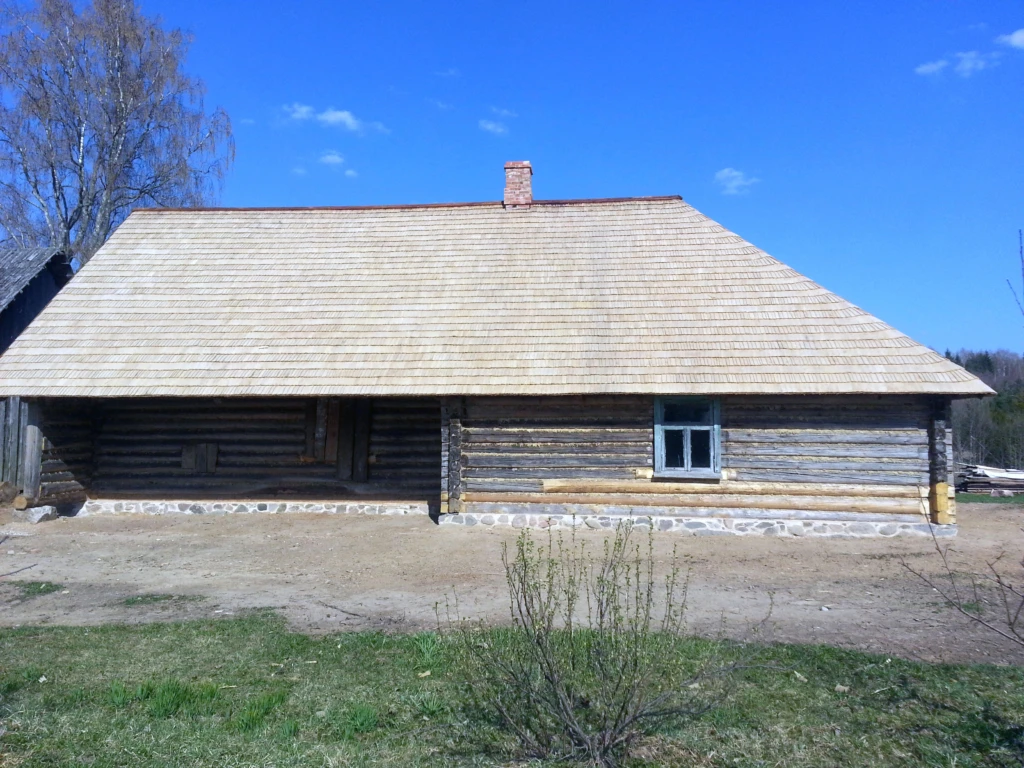
2) Definitely start with the structures: foundation, walls, roof. If these are fixed, you have time to do the rest gradually.
3) All activities and work in logical order. There's no point in starting to fix the roof if there's still a lot of log replacement work to do. In some sense, it makes sense to do the log replacement work first and then, after those jobs are done, start with the roof. But situations are different. If there's little log replacement work, for example, then of course you can also start roof work at the same time.
Of course, though, there's no point in starting interior finishing if you know that log replacement work is coming. Or there's no point in painting the floor if you know that at some point it makes sense to replace it.
4) If you hire someone, make sure he has done something in that field before. There are quite a few examples where someone is hired and later it turns out that he starts sort of "inventing" on the spot for the first time. If you hire a log replacement specialist, a mason, or whoever, then it makes sense to check their portfolio and, if possible, see the work they've done. If you're dealing with a reasonable person, they'll tell you themselves who to ask for feedback about their work or where to inquire.
5) In any case, it's worthwhile to research yourself, take courses, etc. You won't necessarily learn to do everything yourself that way (or at least not everything), but you'll at least (more or less) understand that if someone comes to do X thing, this is how it should be done properly. By putting in a lot of preliminary work yourself and familiarizing yourself with the subject matter, the end result will definitely be better than if you didn't.
Source: Kaanon Kinnisvara
MTÜ Vanaajamaja is happy to consult with you on this topic! Learn more and explore: https://vanaajamaja.ee/
Search
Keywords
Most read articles
- Price per Square Meter of Apartments in Tallinn in 2025
- Apartment Market in Early 2026: Prices Rising, Transaction Activity Remains Modest

- Apartment Market in Early 2026: Prices Rise, Transaction Activity Remains Modest
- Estonian Apartment Prices and Market Expectations in 2025

- Notary Fee and State Fee – Who Pays and How Much?