Rental Yields in Small Towns Rose Nearly Twice Higher Than in Tallinn
According to Jaanus Laugus, the head of Estonia's largest real estate agency Uus Maa, the rental yield of Tallinn apartments has declined slightly due to high sales prices, but in other cities it has increased dramatically, and for example in Võru it is possible to earn nearly twice as much profit.
According to Jaanus Laugus, many people are currently postponing their home purchases due to general uncertainty, and therefore the demand for rental properties has increased.
"In Tallinn, due to high real estate prices, the income earned from rented space has declined slightly. If for the last ten years a five percent rental yield was the minimum in Tallinn, then currently it is rather a good result. Simply as a hedge against inflation, Tallinn rental real estate is still a reasonable investment, but to earn more, one should look further afield, to smaller cities," said Laugus.
"As a post-coronavirus trend, people started moving away from the capital. Demand also increased dramatically due to Ukrainian refugees. According to state forecasts, with the arrival of cold weather, we should expect another wave of refugees from people with nowhere to spend the winter. For developers and investors, investing in the rental segment pays off better than introducing new expensive apartments for sale to the market. It is clear that rental market demand is growing primarily for apartments with lower rental prices," added Laugus.
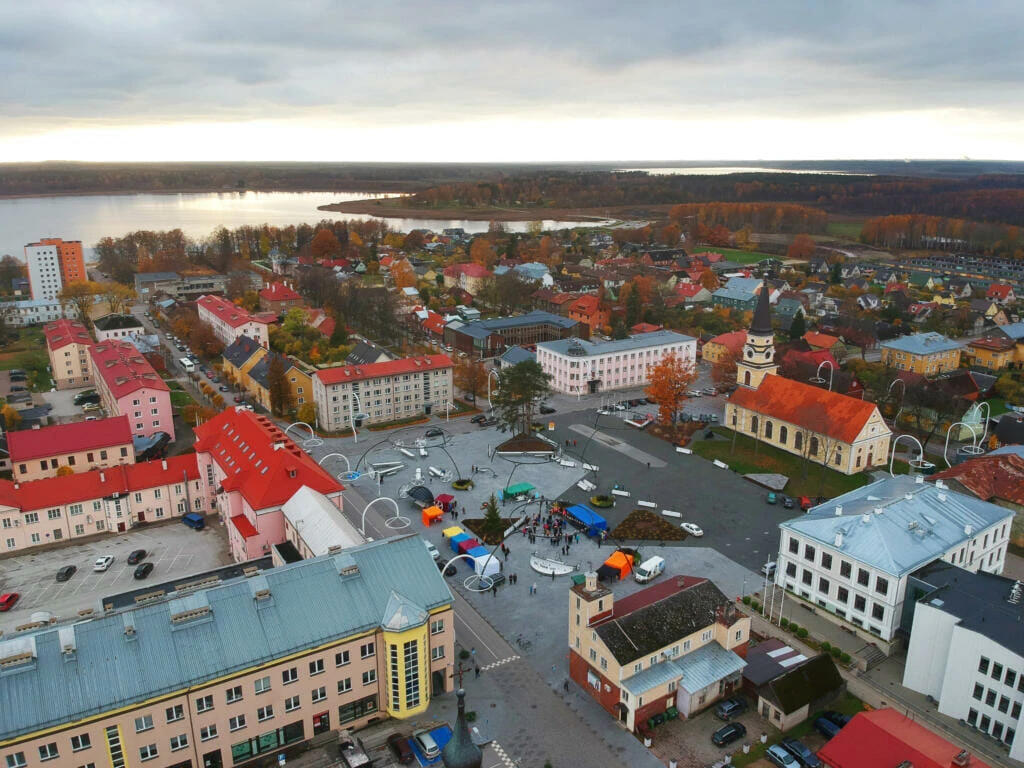
"In business terms, the difference in sales price per square meter between Estonia's three or four major centers and other regions is twofold. At the same time, rental prices are starting to reach the same level. A decent 2-room rental apartment costs 550 euros per month in a Tallinn suburb and, for example, 300-400 euros in Võru or Rakvere. If the same apartment costs 3000 euros per square meter in Tallinn and 1500 in Võru, then the rental yield in the more distant location is nearly twice as high. Smarter and more risk-tolerant investors are taking advantage of this difference and are now buying cheap apartments in small towns, renovating them, and renting them out. All Estonian people who currently have an apartment standing empty somewhere for any reason should rent it out – to earn passive income this way and help ease the huge rental demand," suggested Laugus.
"The trend is clear that due to demand, rental and sales prices for real estate across Estonia are becoming more uniform, which was also boosted by pension fund money entering the market. Currently, only the fact that the state is not ready to adapt to the changed situation and invest in infrastructure is holding back this trend," said Laugus.