New Development Basements and Parking Spaces are Becoming Living Spaces
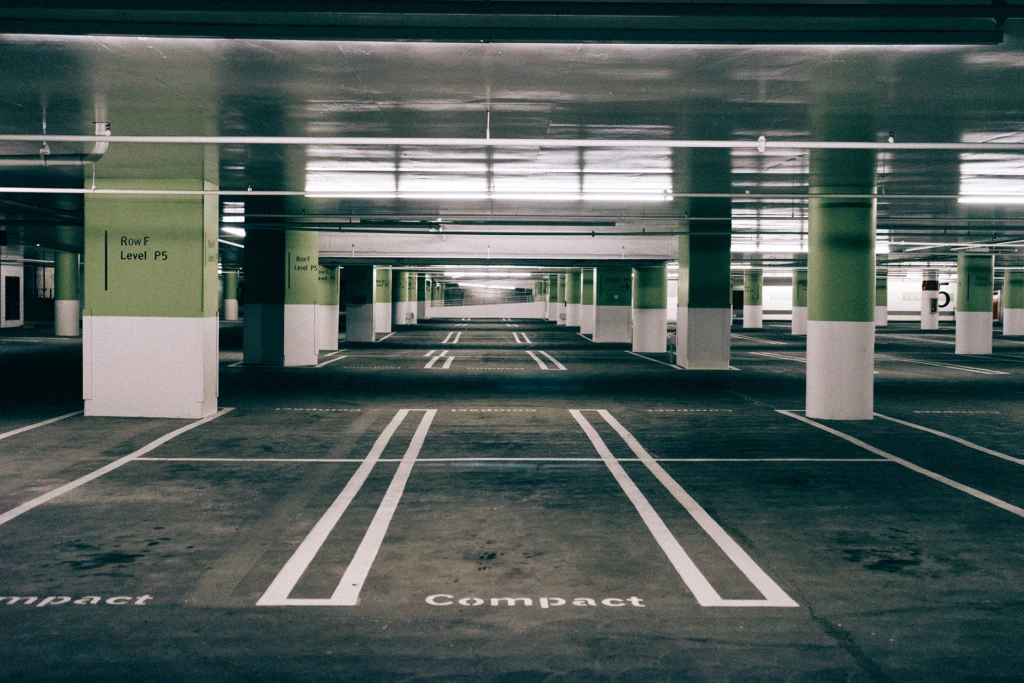
New developments' basements and parking spaces are now being registered as residential premises, and clarity is lost about what the size of a new apartment is in square meters.
With the new Apartment Ownership and Apartment Association Act, both the formation of apartment ownerships and the relevant terminology changed, explained Eversheds Sutherland Ots & Co law firm counsel Anet Kaasik through a press release.
Whereas previously an apartment ownership was formed from a real estate share and a common ownership share, now an apartment ownership is formed from three parts: exclusive ownership, a common ownership share, and membership in an apartment association. Thus, the real estate share is now called exclusive ownership, and together with the apartment ownership, the owner automatically also becomes a member of the apartment association.
In-building parking spaces and storage units are no longer formed as separate apartment ownerships, but now fall under exclusive ownership, and if the exclusive ownership is residential premises, the corresponding parking spaces and storage units are also residential premises, no longer non-residential premises.
According to the counsel, the change in terminology can cause considerable confusion and requires parallel orientation in both old and new terminology.
"Apartment ownerships that were formed before 2018 will not be re-formed or redone, which is why it is inevitable that all existing apartment ownerships will remain distinct from the new ones, and it is more difficult to create a comparison between new and old apartment ownerships," noted Kaasik. "When auxiliary rooms are converted to residential premises, even if they are not used as residential premises, the question arises whether these auxiliary rooms are therefore also subject to the requirements for residential premises regarding indoor climate, doors, openings, water supply, etc."
A new right has also been introduced in the law – special use right. Based on this, a common ownership share can be designated for the use of one or several co-owners. Kaasik explained that, for example, cellar boxes, parking spaces, or other storage rooms that are located on commonly used land, i.e., are part of a common ownership share, can now be designated for the use of a specific owner with a special use right.
For example, in the case of parking spaces, it is possible to limit this use right by either daytime or nighttime, so that one owner uses the parking space during the day and another at night.
Furthermore, the size of exclusive ownership, or previously real estate share, is no longer entered in the real estate register, but must be visible on the building division plan submitted to the real estate register.
Full article: kinnisvarauudised.ee
Search
Keywords
Most read articles
- Price per Square Meter of Apartments in Tallinn in 2025

- Apartment Market in Early 2026: Prices Rising, Transaction Activity Remains Modest

- Apartment Market in Early 2026: Prices Rise, Transaction Activity Remains Modest
- Estonian Apartment Prices and Market Expectations in 2025
- Notary Fee and State Fee – Who Pays and How Much?