Useful Tips for Painting Walls
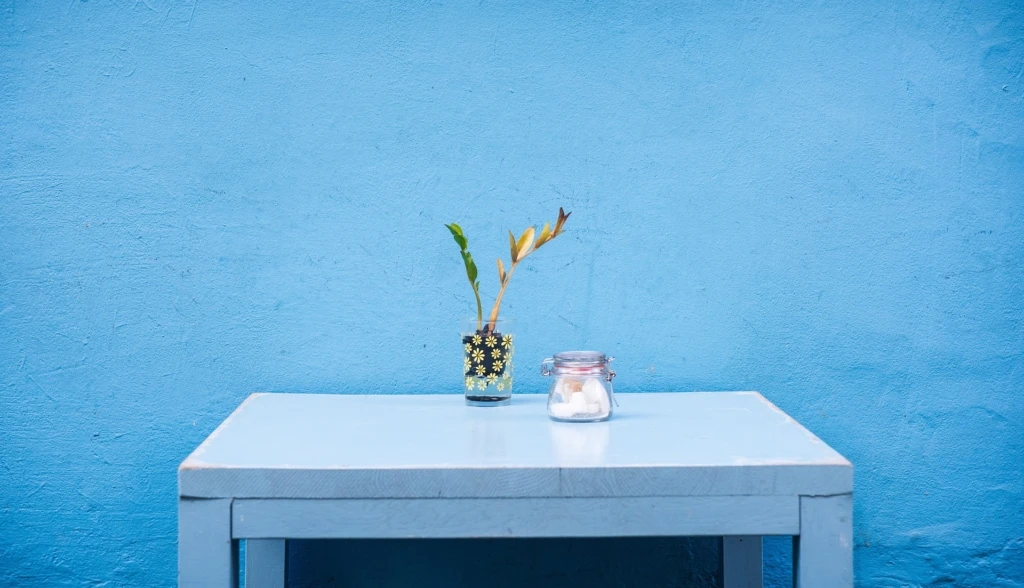
When creating a complete interior design, a well-chosen color is a very important element. Warm pastel tones, calm earth tones, rich and vibrant tones, eye-catching and bright colors — which one should you choose for your home? In this article, you'll find some helpful tips for choosing colors and for carrying out painting work quickly and smoothly.
Step 1: Choosing a color
If you want to bring more than one color tone into your home, it's important that the colors work well together. Not all combinations create a harmonious picture. Fortunately, there are well-functioning color combinations that have lasted for years. If you're looking for classic combinations, choose the following:
- Black and white
- Orange and blue
- Red and gold
- Yellow and cream
- Green and blue
- Reddish and green
- Green and yellow
- Earth tones
This certainly doesn't mean you have to paint the room with bright colors: choose softer tones from these combinations. The most important thing is that the painted walls won't bother you over time. Even if you want bright colors, consider whether you want to wake up every morning in a bright red room and whether a pale yellow living room won't disturb you.
Before painting the walls, first decide whether you want more contrast or unity. If you want contrasting color, combine dark colors with bright colors. For unity, use related colors: if your walls are red, choose reddish-yellow sofas, if the walls are cream-colored, choose a yellowish color for interior details, etc.
When choosing colors, it's advisable to pay attention to the warmth of the color. Lighter and brighter colors always create a warmer and more playful mood. At the same time, darker and muted colors are cold and help create a sense of room complexity and luxury.
However, there is no one single right advice when choosing colors to make your home stylish, as it depends entirely on personal taste.
Step 2: Preparation
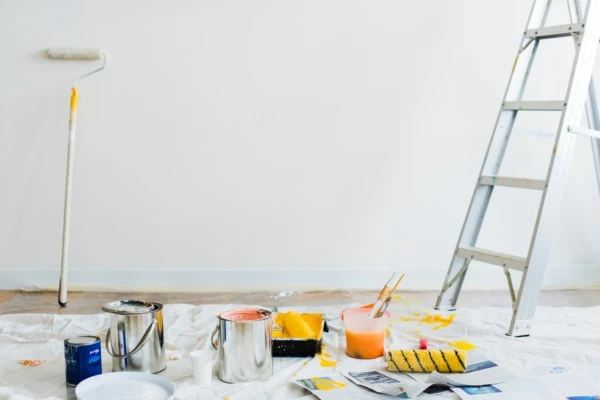
Covering furniture and floors. If it's not possible to remove all furniture from the room being painted, make sure that all elements of the room are thoroughly covered to protect against dust and staining. For floor covering, choose thicker paper to prevent spilled paint from penetrating through the cover. Don't forget to apply painter's tape to the ceiling, floor, and around things like light switches to prevent them from getting dirty.
Cleaning the surfaces to be painted. If you see dust, grease stains, or lighter spots on walls, floor tiles, or other surfaces to be painted, they must be cleaned before painting. There are various options for cleaning walls. If the walls have no dirt, just dust, it's enough to wipe them with a slightly damp cloth. Dirt can affect the even distribution of paint or cause it to peel off quickly. After washing the walls, let them dry thoroughly before painting work.
Step 3: Painting
First, it's worth knowing that most manufacturers do not recommend painting walls when the room temperature is higher than 25 degrees, as the paint dries too quickly and you won't achieve the desired result. If you still don't want to postpone painting work, use paint thinner. Just before starting to paint, stir the paint carefully and moisten the roller with a little water, this will help the paint adhere better. Then put a little paint on a special paint tray, roll the paint roller in it, and slide it on.
Article source: Modern Home
Search
Keywords
Most read articles
- Price per Square Meter of Apartments in Tallinn in 2025

- Apartment Market in Early 2026: Prices Rising, Transaction Activity Remains Modest

- Apartment Market in Early 2026: Prices Rise, Transaction Activity Remains Modest
- Estonian Apartment Prices and Market Expectations in 2025

- Notary Fee and State Fee – Who Pays and How Much?