Safe Home: How to Ensure Peace of Mind for You and Your Family
Home is not just a place to live – it is a place where we should feel protected, comfortable, and safe. A secure home creates a foundation for both physical and mental well-being, supporting you and your family's daily life. But how can you ensure that your home is truly a safe environment where you can enjoy complete peace of mind?
Think holistically: different aspects of safety
Home safety encompasses many aspects, from fire prevention and burglary prevention to creating healthy living conditions. According to rescue service statistics, in 2024 Estonia experienced 420 residential fires, of which 36% were caused by electrical installation failures, 14% by smoking, and 5% by food preparation. These numbers clearly show how important preventive work is in the home environment.
The concept of safety is multifaceted – it encompasses both physical threats, psychological sense of security, and a health-supporting environment. A comprehensive approach to safety ensures that your home is not only a fortress against the outside world, but also a refuge that supports health and well-being.
Fire safety – a life-protecting priority
Fire safety is one of the most critical aspects of home security. Every fire starts small, but can quickly become uncontrollable. Here are some important steps you should follow:
Install smoke detectors on every floor and near bedrooms. Make sure they work properly by checking them at least once a month. Many households have smoke detectors, but it is working detectors that actually save lives.
Check electrical equipment and installations – do not overload power outlets, replace worn wires, and use quality extension cords. Old and worn electrical wires are often hidden causes of fires, especially in older homes.
Proper maintenance of heating systems is also of critical importance. Regular heating system maintenance not only reduces fire risk, but also helps save on heating costs and extends the life of equipment. A chimney sweep visit once a year can prevent a tragic accident!
Create evacuation plans with your family and practice them. Every family member should know how to quickly and safely leave the home in case of danger. Set a definite meeting place outside so you can make sure everyone has safely left the house.
Burglary prevention
An important part of feeling safe at home is knowing that your belongings are protected. The following measures help reduce the risk of burglary and create a sense that you are truly protected in your home:
Quality locks and security devices – make sure all doors and windows are equipped with reliable locks. Consider installing security lock systems. Investing in quality lock systems is one of the most cost-effective ways to protect your home.
Security cameras and motion detectors – these can act as a deterrent and help identify potential intruders. Modern smart home solutions allow you to monitor your home's security even when away from home, providing constant peace of mind.
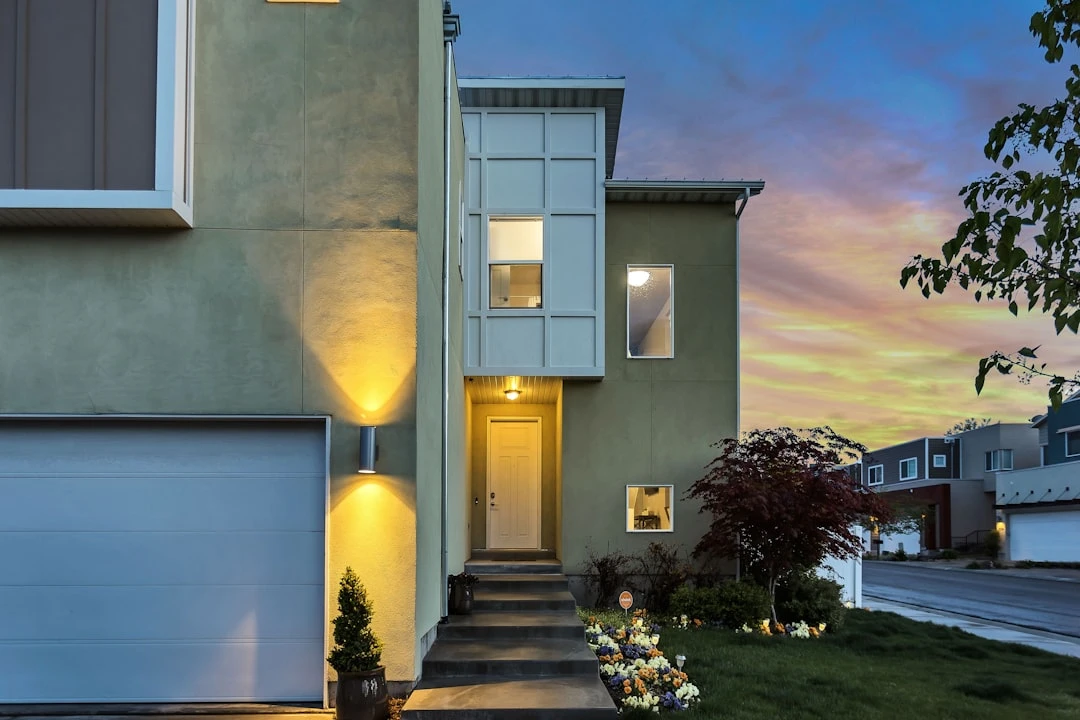
Lighting – well-lit entrances and outdoor areas reduce the likelihood of burglary. Consider motion-sensor lights that turn on when someone approaches. Criminals prefer to act in the shade and darkness, so good lighting is a simple but effective deterrent.
Neighborhood watch – good relationships with neighbors and an attentive community is also an effective protection against intruders. Research shows that in areas where neighbors know and support each other, crime rates are lower.
Healthy home environment
Home safety also means a healthy living environment. The following aspects are important to ensure the health of you and your family:
Good ventilation – regular airing reduces humidity and prevents mold formation. It also removes harmful substances from the air. Fresh air is not only pleasant but also an important component of a healthy environment.
Air humidity control – air that is too humid or too dry can cause health problems. Use air humidifiers or dehumidifiers as needed. Optimal air humidity ranges from 40-60%, which is ideal for both people and home structures.
Avoiding toxic substances – use as few chemicals as possible in the home and prefer natural cleaning agents. Natural alternatives, such as vinegar, lemon juice, and baking soda, are often just as effective but much safer, especially if there are young children or pets in the home.
Digital security at home
Today, it is also important to consider digital security. Our homes are increasingly connected to the internet, which brings new threats:
Secure WiFi network – use a strong password and regularly update your router's software. Avoid common or easily guessable passwords like "12345" or "home" and prefer complex combinations that include letters, numbers, and symbols.
Smart device protection – if you use smart home solutions, make sure they are properly protected. Regular software updates are critical because they often fix security vulnerabilities that cybercriminals can exploit.
Data backup – make regular backups of your important documents and files to protect them from attacks or device failures. Cloud storage systems offer a convenient and secure solution for data backup.
Emergency preparedness
The rescue service emphasizes how important it is to be prepared for various crisis situations. Their goal is to reduce the number of accidents in Estonia to Nordic levels by 2025. This includes:
Having necessary supplies – make sure your home has enough food, water, medicines, and other essentials for at least three days. Prolonged emergencies can disrupt normal supply, so it is important to have an independent stockpile.
First aid kit – keep a complete first aid kit at home and learn how to use it. Basic first aid knowledge can be critical until professional help arrives.
Information sources – have a battery-powered or hand-crank radio to stay informed if power goes out. It is also worth having a power bank to charge mobile devices to maintain contact with the outside world.
Safety for different age groups
Home safety needs may differ depending on who lives there:
Children
Install safety gates on stairs, especially if there are young children in the home who are just learning to move around
Lock cabinets containing chemicals with special lock systems that children cannot open
Secure heavy furniture to walls to prevent them from tipping over from curious climbers
Cover electrical outlets with special protectors when not in use
Elderly
Remove tripping hazards like loose rugs and wires from the floor
Install handrails and support handles, especially in the bathroom and on stairs
Ensure good lighting in all rooms, especially along pathways and stairs
Consider alarm systems that allow you to call for help in case of a fall
Kinnisvara24 tips on home safety regarding real estate transactions
If you are looking for a new home, it is important to assess its safety aspects as well. Kinnisvara24 offers a wide selection of houses for sale and rental apartments, where you should pay attention to the following aspects:
Neighborhood safety – research the area's safety before making a decision. Check whether streets are well-lit, whether there is an active community, and what the general reputation of the area is.
Overall condition of the building – especially regarding electrical and heating systems. Older buildings may have outdated electrical systems that pose a fire risk, or inefficient heating systems that cause discomfort and additional costs.
Advantages of new developments – new buildings often comply with modern safety requirements and are more energy efficient. New developments are designed with modern building standards in mind, which means better fire safety, ventilation, and energy efficiency.
Professional advice – use the help of real estate agents who can also assess the safety aspects of a property. An experienced agent can direct your attention to potential problem areas that an ordinary person might not notice.
Creating a safe home – an investment that pays off
Investment in a safe home environment is one of the best things you can do. It not only protects your property but also – what is more important – your and your family's health and well-being. The rescue service's goal is to reduce the number of accidents in Estonia to Nordic levels by 2025, and you can contribute to this by creating a safe home environment.
A safe home means more than just locked doors – it is an environment where all family members feel protected, supported, and valued. It is a place where you can relax and recover, knowing that all safety measures are in place.
Use the Kinnisvara24 portal to find a suitable safe home for yourself. Whether it's renting apartments, selling apartments, or perhaps interest in real estate abroad.
A safe home is not just a living space – it is the foundation of your well-being and the source of daily peace of mind, a place where you can be yourself, feel protected, and create valuable life moments.
Search
Keywords
Most read articles
- Price per Square Meter of Apartments in Tallinn in 2025

- Apartment Market in Early 2026: Prices Rising, Transaction Activity Remains Modest
- Apartment Market in Early 2026: Prices Rise, Transaction Activity Remains Modest
- Estonian Apartment Prices and Market Expectations in 2025
- Notary Fee and State Fee – Who Pays and How Much?