The Trend Reverses: Skyrocketing Rental Costs Push Companies to Buy or Build Their Own Real Estate
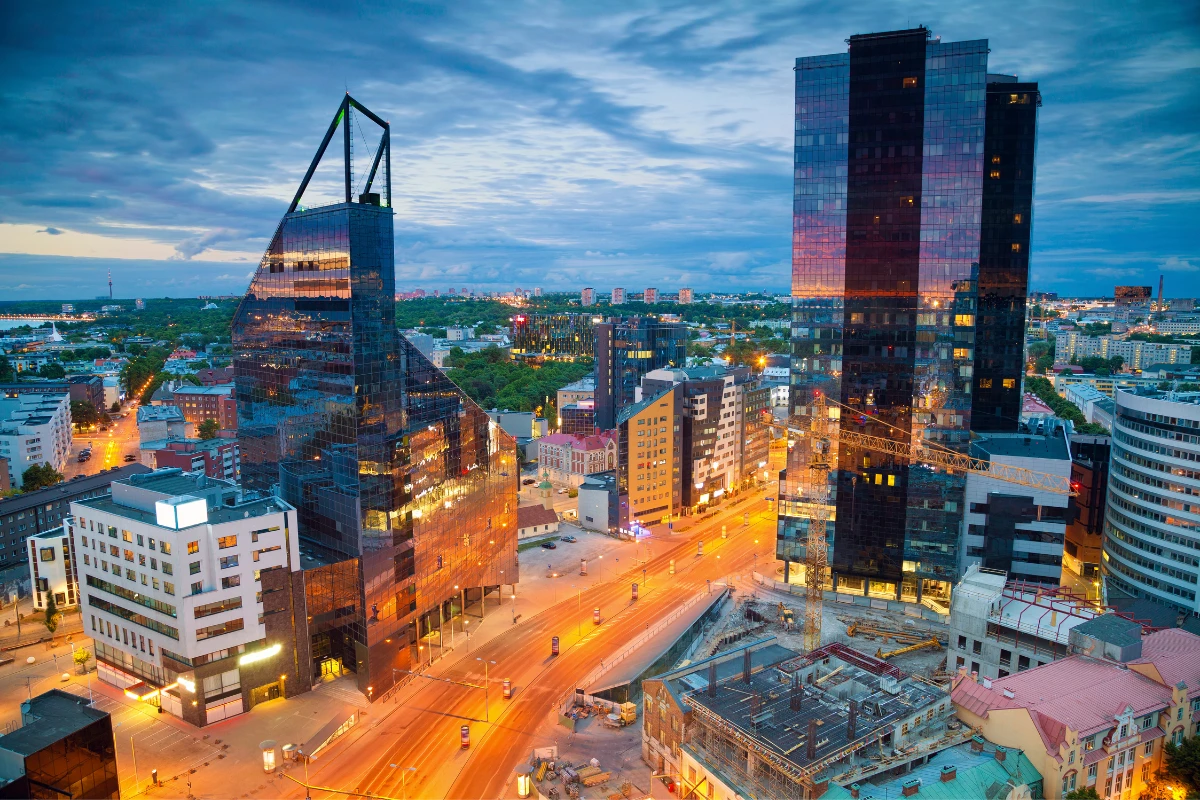
According to Danel Talsep, head of Uus Maa Commercial Real Estate, inflation has driven commercial real estate rents through the roof, which is why an unusually large number of companies are considering the possibility of buying or building their own new factory or office.
According to Danel Talsep, commercial real estate rental agreements are generally indexed to the consumer price index. "Typically, a rental agreement is concluded for 3-5 years, during which the rental price changes according to annual inflation. Over the past five years, this has meant a 40-50 percent price increase as compound interest for companies," said Talsep.
"For those whose contracts are now expiring, there is a choice – whether to continue with high rent, find cheaper premises, or build your own production and office building, which might pay for itself in 10-15 years. If the direction over the past couple of decades has been clearly towards renting, then a turn is now taking place," noted Talsep and said that the change is supported by several market trends at once.
"In fact, there has not been such a favorable opportunity to buy commercial or development real estate as there is now. Some business sectors have not recovered from the long economic downturn and are ready to sell property on good terms. Properties that were rented out for a long time are also coming to the market. If during the boom period it is generally very difficult to find anything, then now the selection is wide and price expectations are realistic," added Talsep.
"Rather, companies want to own their own and a new building. Compared to, for example, a building that is ten years old, the cost per square meter of a new construction is a few hundred euros more, but this often pays off when considering cheaper costs and better financing options. It just takes more time – if you buy a plot now, it will take a couple of years until the building is completed," said Talsep.
"Currently, it can be seen that an exceptionally large amount of projects have been taken out of the drawer and put into work or for sale – both commercial real estate development projects. It is unlikely that there have ever been so many developments in the late planning phase or even with building permits on the market at the same time," noted Talsep.
"The third important factor is financing – banks are currently lending to companies quite generously and on good terms. Banks have a surplus of loan funds directed towards business enterprises, and they are very interested in issuing them," said Talsep.
Search
Keywords
Most read articles
- Price per Square Meter of Apartments in Tallinn in 2025

- Apartment Market in Early 2026: Prices Rising, Transaction Activity Remains Modest

- Apartment Market in Early 2026: Prices Rise, Transaction Activity Remains Modest
- Estonian Apartment Prices and Market Expectations in 2025
- Notary Fee and State Fee – Who Pays and How Much?