The Real Estate Market Situation: Don't Miss Out on Buying a Home
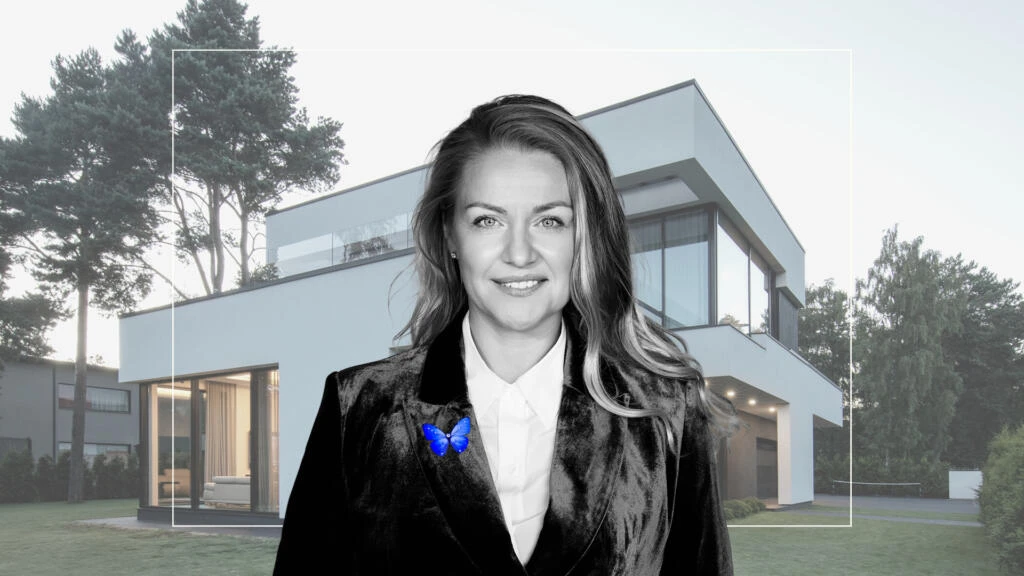
If we're being completely honest, I don't think a single day has passed in the last couple of months when someone hasn't asked me – what's really happening in the real estate market? Is it a standstill or an actual decline?
There is still much uncertainty about the future – how high will Euribor rise? Will jobs be secure? How will wars develop? All of this is not having a positive effect on the general mood, and not just in the real estate market.
But, regardless of the situation surrounding us, the real estate market doesn't really come to a complete standstill. Purchasing principles are changing somewhat, but in general terms, the need for homes remains the same.
Only what is needed is being purchased
Transactions are very need-based – if the current living space becomes too small or too large, a new and suitable one is sought. Children are born, older ones move out of home, couples move in together, others… break up. The need for homes is constantly changing regardless of what's happening in the world around us.
On the market, there are A-energy class detached houses and apartment buildings – energy efficiency and low maintenance costs are important arguments for both more expensive and affordable real estate.
Those looking for "pearls" have also not disappeared from the market. These are larger penthouses in seaside areas; the old town, which has come back into focus, and Kadriorg, which is still a hot area. In addition, "pearls" also include larger properties near the sea in Pirita, Viimsi, and Kakumäe. In short, everything that is rare and where more won't be coming.
Borrowing for the purchase of an investment apartment has stalled. Euribor's movement is unclear and risks are high. The loudmouthed small investors who encouraged leveraging are now quiet.
Secondary market apartment prices are falling more
Are new apartment prices falling? Probably not. As long as construction costs don't fall and unemployment doesn't rise significantly, prices won't fall either. Additionally, developers have also taken a new direction and are renting out unsold apartments rather than selling them.
Corrections are occurring more in the secondary market apartments, especially for owners who are in a hurry with the transaction. For quality properties, where time is not pressing the seller, there is practically no room for negotiation.
Be thoughtful, leave emotions aside
As at any time, it is advisable now to make considered and well-thought-out decisions. There are those who compare the current situation to the 2008 crisis. I must admit that there are some similarities, but there are also many differences.
If during the previous crisis, a large part of real estate was purchased with loans and at the same time the amount of savings was almost non-existent, then from the transactions made in recent years, approximately 50% have been purchased with borrowed money and the amount of Estonian people's savings is greater than ever before. This in turn means that for almost half of real estate buyers, the change in Euribor does not directly affect them.
Also, borrowing conditions have been much stricter since the crisis and all possible future perspectives and risks have been considered much more thoroughly. Additionally, people's own financial literacy has improved – rather, some luxury or trip is not purchased, but the home loan is not left unpaid. Therefore, such a loan crisis as there was in the decade before last is not to be expected now.
To summarize the overview, we could say that the current situation is "waiting" – people are watching and considering, and if a suitable home is on the horizon, decisions are also being made.
Article author: Lii Salusaar, professional real estate broker at Uus Maa Luxum office
Search
Keywords
Most read articles
- Price per Square Meter of Apartments in Tallinn in 2025
- Apartment Market in Early 2026: Prices Rising, Transaction Activity Remains Modest

- Apartment Market in Early 2026: Prices Rise, Transaction Activity Remains Modest
- Estonian Apartment Prices and Market Expectations in 2025
- Notary Fee and State Fee – Who Pays and How Much?