The Biggest Concerns with New Developments is the Lack of Guest Parking Spaces
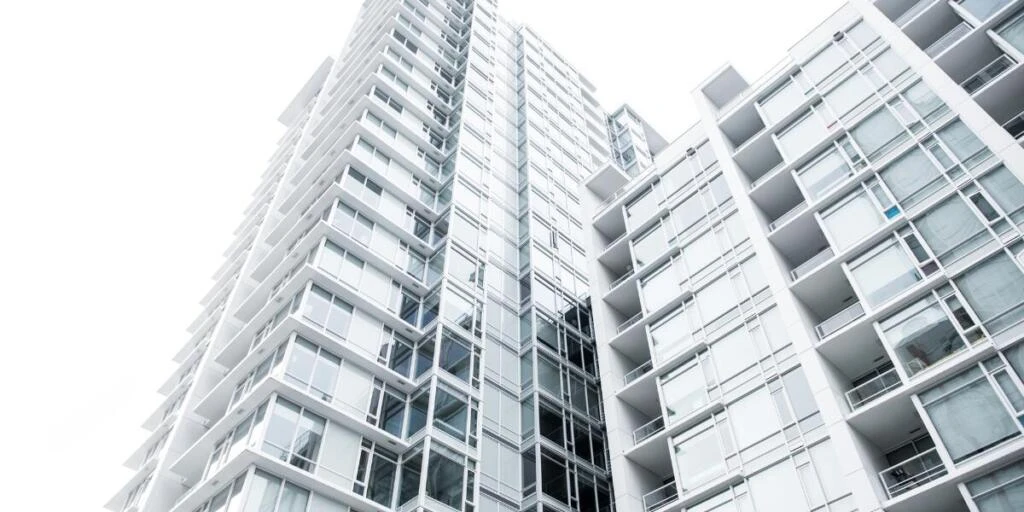
Two cars per household are becoming increasingly common, and parking in front of apartment buildings is becoming ever more difficult as a result. While this problem has mainly plagued residents of older apartment buildings, it is increasingly becoming a concern in new developments as well, comments Egon Juhanson, real estate broker at ELUM Kinnisvara.
"The problem is greatest in new developments located on the outskirts of Tallinn and in nearby municipalities," says Juhanson. "There is very high demand for parking spaces, and residents are also making use of guest spaces. In larger developments, there is also brisk trading in parking spot rentals."
The root of the problem is often that when families buy an apartment, their budgets are tight, so they initially purchase only one space. Over time, circumstances and needs change, but by then it may be too late and a parking space for a second car may no longer be available. Over time, parking space prices also increase, and then the resident faces the question of whether it makes sense to make this additional investment, since it may not pay off when selling the apartment later.
"All of this combined creates a lot of conflicts due to improperly parked cars. It is also common to see guests parking on green spaces or in residents' spaces, and an apartment owner who cannot find their own space is forced to park in a neighbor's spot," adds Juhanson.
For this reason, apartment associations have also called in companies that manage parking arrangements. In some developments, you can park in a guest space for a certain time using a parking meter. However, this requires that the company providing the service actually monitors it.
According to Egon Juhanson, the situation would improve if residents' parking spaces were located under the building and guest spaces were in front of the building.
"More parking spaces can be added by building an underground parking level, and local municipalities also support this. However, it must be taken into account that an underground parking lot is reflected in the final price of the apartments and increases it considerably," adds Juhanson.
In his view, local municipalities could help by building more parking spaces themselves. For example, this practice has been implemented in Mustamäe in Tallinn and it works. "As long as public transport is not sufficiently convenient and functional for residents, motorization will continue, and we need to deal with it together," concludes the broker.
Search
Keywords
Most read articles
- Price per Square Meter of Apartments in Tallinn in 2025
- Apartment Market in Early 2026: Prices Rising, Transaction Activity Remains Modest
- Apartment Market in Early 2026: Prices Rise, Transaction Activity Remains Modest
- Estonian Apartment Prices and Market Expectations in 2025
- Notary Fee and State Fee – Who Pays and How Much?