Terrace Trends Are Changing: Estonians Are Building Floors with New Lines and Colors
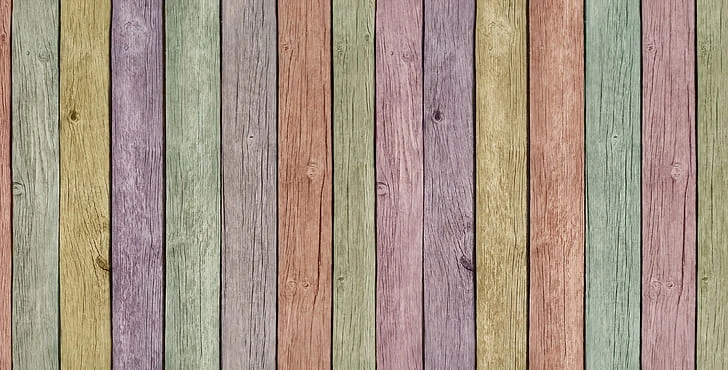
Terrace trends in Estonia: pine instead of spruce, and gray is in fashion
According to Mari-Liis Mihkelson, manager of the Tartu branch of Puumarket, the largest timber retailer in the Baltic states, terraces with different surface finishes and colors have become fashionable in Estonia. The expert recommends using a different material on the terrace instead of the common spruce wood.
According to Mari-Liis Mihkelson, in terms of volume, the most commonly purchased are still the classic impregnated terrace boards at a lower price, whose treatment makes them ten times more durable than ordinary wood. "We do not recommend untreated wood for terrace construction, as it would deteriorate within a few years in Estonia's climate. The most common terrace materials are pine and spruce with a similar appearance, of which I recommend using the first – pine wood structure absorbs the impregnation agent better and is therefore more durable later," Mihkelson advised.
According to Mari-Liis Mihkelson, impregnated terrace material with green pigment was previously the most purchased in terms of colors, but now brown with a more natural appearance is clearly more popular.
"In terms of price and sales, thermowood is in second place, which is processed with heat and steam without chemicals. Essentially, wood is placed in a special furnace and a uniformly brown-toned straight board is obtained, which later so to speak "moves" little. The meter price of cheaper impregnated wood is around 2 euros, but thermally treated material is already 2-3 times more expensive. While the lifespan of ordinary impregnated wood is around ten years and more, thermally treated material can safely be twice as long," described Mihkelson.
"From thermally treated materials, thermopine and thermoak are mainly used, the latter of which has an effective appearance and hardness degree comparable to tropical wood and could last a quarter century on a terrace. While thermopine has a light golden tone, thermoak is knot-free and darker brown," added Mihkelson.
New fashion lets the terrace turn gray
"One of the newer trends comes with thermoak – if wood is left unsoiled for a couple of years after installation, it will turn beautifully uniformly gray. Since thermally treated oak is very durable and essentially maintenance-free even without later treatment, the person can choose themselves whether to keep the surface brown by oiling or let it fashionably turn gray," added Mihkelson.
"From more exotic woods, Siberian larch is no longer imported from Russia and has been replaced by European larch. Larch is hard and so resinous wood that essentially you don't even need to protect it from the weather, which makes it practically maintenance-free. Due to its resinousness, it doesn't make sense to oil larch for the first years and similar to thermoak, the person can later choose whether to let the wood gradually turn uniformly gray over time or to tint it back to brown," added Mihkelson.
"The most maintenance-free and increasingly popular is composite material, which has synthetic fibers added to wood to give it durability. That is why composite is especially good to use in very wet places – for example around a pool or for building a boat dock. Composite material can be refreshed for maintenance with a special cleaning concentrate, but essentially regular washing is enough for all maintenance," added Mihkelson.
Smooth terrace boards don't get as slippery
According to Puumarket's Tartu branch manager Mari-Liis Mihkelson, in previous years people mainly bought grooved or ridged terrace boards. "Dirt, leaves and sand accumulate in the grooves, which are difficult to remove and which collecting moisture actually starts to damage the board. It is precisely mainly for easier maintenance that smooth surface terraces have become more fashionable. Contrary to concerns, these don't get as slippery and people usually don't spend much time on the terrace in the rain anyway," said Mihkelson.
Search
Keywords
Most read articles
- Price per Square Meter of Apartments in Tallinn in 2025
- Apartment Market in Early 2026: Prices Rising, Transaction Activity Remains Modest
- Apartment Market in Early 2026: Prices Rise, Transaction Activity Remains Modest
- Estonian Apartment Prices and Market Expectations in 2025
- Notary Fee and State Fee – Who Pays and How Much?