Installation of Technical Systems on Flat Roofs – Risks of Technical Systems Integration and Engineering Rules
Installation of Technical Systems on Flat Roofs (including integration of solar panels, air conditioning systems, and ventilation equipment) has become an increasingly common step in modern construction practice for improving building energy efficiency and functionality. The engineers at OÜ Evari Ehitus emphasize that every element added to an existing roof structure or every penetration through the roof covering represents a potential building physics risk if the work is not performed in strict accordance with technological standards.
Often, when installing equipment, focus is placed solely on the technical capacity of the systems themselves, forgetting that the supporting structure must ensure the building's uninterrupted weather resistance for decades. In this article, we provide a professional overview of which engineering aspects and waterproofing work rules must be followed to ensure the roof maintains its complete water tightness.
For a quick overview and main checkpoints in situations where you are interested in the installation of technical systems on a flat roof without deeper engineering analysis, find our brief summary here: Installation of equipment on flat roofs – what is important to keep in mind?
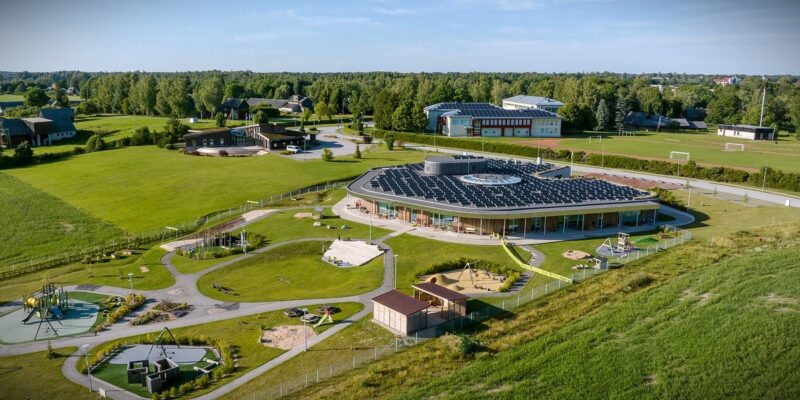
(Photo: OÜ Evari Ehitus)
Installation of technical systems on a flat roof and large-scale solar panel park on Palamuse kindergarten's round-shaped modern building in Jõgeva municipality.
Are the building roof and technical system installation on a flat roof compatible with each other?
Before transporting any heavy machinery or fastening systems onto the roof, a structural and technical audit of the existing flat roof construction must be conducted, critically assessing the following aspects:
Load-bearing capacity and additional load tolerance Massive solar panels, air conditioning units, and the mandatory maintenance traffic associated with them create permanent additional loads on the roof structure. Older or deteriorated load-bearing panels and base structures may not be able to support such ballast loads without additional reinforcement.
Physical condition of the roof covering and insulation layers If the existing roll material is already cracked or if the insulation material in the base layers has become damp, installing new equipment represents a direct risk. In such a condition, new penetrations through the surface amplify leak risks and create extensive cold bridges.
Roof drainage systems and functioning slopes Frames installed on the roof and massive equipment bodies can act as barriers that obstruct the free movement of rain and meltwater toward roof drains. If water becomes trapped around the equipment, the hydraulic load on the waterproofing rises to critical levels.
Valid warranty conditions and legal responsibility When installing equipment, it is mandatory to consult with the company that originally built the roof. Unauthorized penetrations and modifications can instantly render valid warranty agreements void.
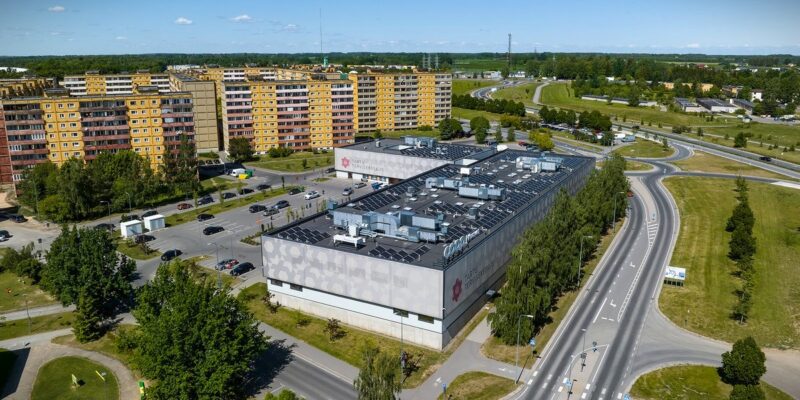
(Photo: OÜ Evari Ehitus)
Technical systems and network of combined technical nodes on a flat roof at Tartu Health Center and COOP store on the large-scale L-shaped building complex in Tartu.
What is a roof penetration and why is it of critical importance?
A roof penetration is an engineering node where cables, pipes, ventilation shafts, or other parts of technical systems pass continuously through the building's sealed external envelope, i.e., the roof structure. It is the place where the building's warm interior climate and external extreme weather environment meet most directly.
Since our flat roof construction and subsequent installation of complex technical systems on flat roofs must ensure absolute protection against precipitation, wind, and heat loss, improper or carelessly sealed penetrations lead to serious building physics consequences:
Catastrophic water damage and hidden leaks Insufficiently sealed cracks and upturned edges allow meltwater to seep deep into insulation layers, destroying their properties and damaging the building's load-bearing structures.
Uncontrolled heat loss and formation of thermal bridges Every unsealed opening acts as an open energy drain, significantly increasing the building's operating costs and disrupting the roof's thermal balance.
Internal condensation and moisture accumulation On the surfaces of insufficiently insulated penetration pipes, condensation water forms due to temperature differences, which then drips directly onto the interior ceiling structures.
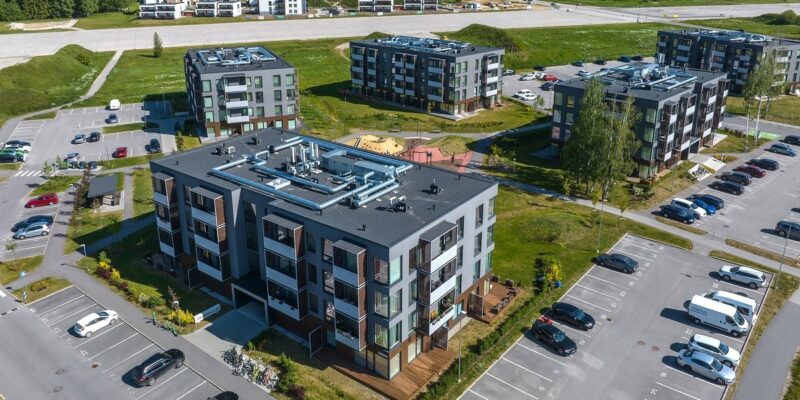
(Photo: OÜ Evari Ehitus)
Installed technical systems on a flat roof and integration of a modern mechanical ventilation distribution system on the roof surfaces of new apartment buildings in the Raadi district.
How to ensure that the installation of technical systems on a flat roof is performed with quality?
For the installation of modern equipment and technical systems on a flat roof not to become an expensive lesson, the entire process must be managed professionally from the start. It is mandatory to involve qualified roof and waterproofing specialists already during the design phase or when planning the locations of technical equipment.
In ensuring quality, systematic selection of certified materials is of critical importance: penetration seals and collars must ideally be compatible with the type of existing roof covering (whether it is SBS-bitumen roll material, PVC plastic membrane, or EPDM). After the completion of installation work, to ensure the roof's long-term lifespan, it is necessary to perform complete engineering inspections of the nodes and regular flat roof repair and preventive maintenance.
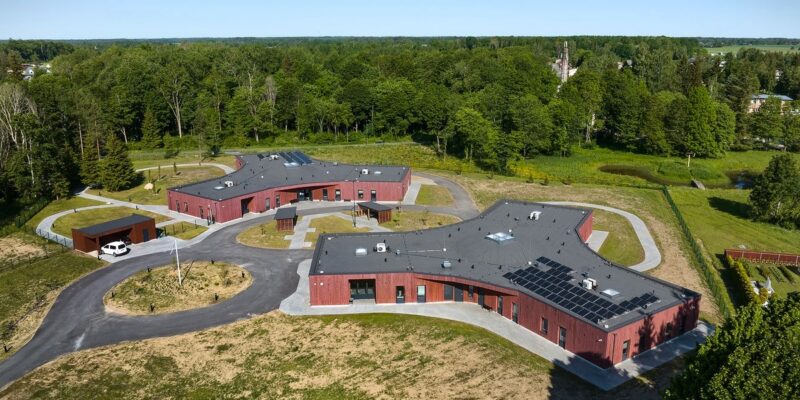
(Photo: OÜ Evari Ehitus)
Installation of technical systems on a flat roof and ensuring roof covering water tightness on Põltsamaa Care Home buildings with their distinctive three-bladed propeller-shaped floor plan.
Critical errors in equipment installation – how to avoid roof covering damage?
Practice shows that a large portion of flat roof early leak problems are not caused by the quality of the initial roof construction work, but by careless technical installations that follow later.
Since the installation of technical systems on flat roofs is often performed by technicians from other fields who do not possess specific building physics knowledge about roll material dynamics, imperceptible but critical structural damage is created during the work.
OÜ Evari Ehitus specialists have compiled the following overview of the most common errors that building owners and project managers must strictly avoid when installing equipment.
Installation of technical systems on flat roofs and the most dangerous technological errors
Direct anchoring of equipment frames through the waterproofing layer Drilling fastening screws or bolts directly through functioning roll material without special bitumen sealing collars creates direct and hidden leak points, compromising the entire roof structure's water tightness.
Installation of support frames without special base mats Placing heavy metal frames or concrete blocks directly on slate gravel SBS covering compresses the material over the long term and damages the membrane. Pressure-distributing rubber mats or special support bases must always be used.
Careless handling of tools and sharp material debris During equipment installation, screws, metal shavings, wire pieces, or tools that fall onto the roof surface are trampled into the roll material by installers, creating hundreds of micro-holes that are impossible to detect visually later.
Leaving cable bundles and piping freely on the roof covering Unprotected and unfixed cables become entangled during winter ice and snow removal, tearing the roof covering or seams as they move. All utilities must run in special trays or in insulated technical channels.
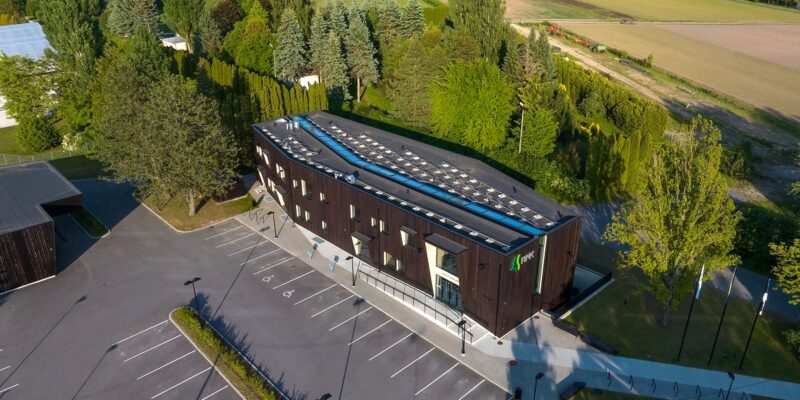
(Photo: OÜ Evari Ehitus)
Installation of technical systems on a flat roof and ensuring load tolerance of bitumen waterproofing layer on the MRK main building's unique timber-architecture structure in Tartu.
Why choose OÜ Evari Ehitus as your partner?
OÜ Evari Ehitus is the leading flat roof builder in South Estonia since 1991. Our professionalism is based on over 30 years of experience and thousands of successfully sealed technical nodes.
Proven reliability in the construction market We are a long-standing and respected member of organizations such as the Estonian Roof and Facade Masters Association (EKFML) and the Estonian Construction Entrepreneurs Association (EEEL).
Certified quality and safety We use only tested high-grade materials and perform complex roof penetrations fire-safely, ensuring the building envelope's long-term weather resistance.
Worry-free and comprehensive solution for building owners The nodes designed and built by us are durable, protecting you from unexpected leak costs and excessive maintenance burden in the future.
Evari experts in media: Installation of technical systems on flat roofs
The topic "Installation of equipment on flat roofs – what is important to keep in mind?" has been extensively and thoroughly covered in leading Estonian construction and business portals.
Estonian Express special issue Industry Article on web portal: Installation of solar panels, air conditioning units, and other equipment on flat roofs – what is important to keep in mind?
Maaleht Article in newspaper: Installation of solar panels, air conditioning units, and other equipment on roofs – what is important to keep in mind?
INKodu web portal Article on web portal: Installation of solar panels, air conditioning units, and other equipment on flat roofs – what to keep in mind?
Read all our construction expert articles and media coverage from OÜ Evari Ehitus "Evari in media" section.
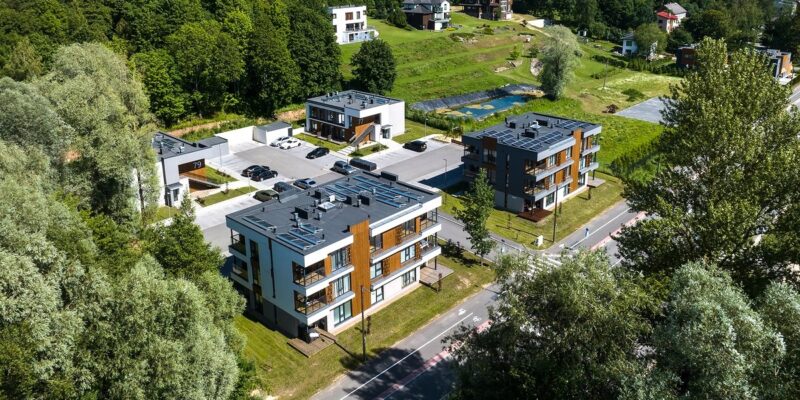
(Photo: OÜ Evari Ehitus)
Installation of technical systems on a flat roof and long-term weather resistance of bitumen waterproofing on modern apartment building roofs in the city of Tartu.
Frequently Asked Questions (FAQ) about equipment installation
Here you will find official answers from OÜ Evari Ehitus engineers to the most commonly occurring questions that installation of technical systems on flat roofs brings with it and how to ensure long-term water tightness of the roof structure.
Can equipment installation damage the existing roof warranty?
Unauthorized and non-coordinated work voids the warranty
Yes, if equipment or new penetrations are installed on the roof without the consent of the original roof builder, the building's post-construction warranty becomes void.
Before starting work, it is mandatory to involve certified specialists to ensure that flat roof construction complies with technological requirements and warranty period conditions remain uninterrupted.
How to prevent leaks when building new roof penetrations?
Factory-made sealing collars and SBS-applied materials must be used
Every pipe or cable penetrating the roof must be isolated using special collars that are fully compatible with the existing roof covering.
OÜ Evari Ehitus engineers perform such nodes with a multi-layer system where performed waterproofing work ensures complete weather resistance even under extreme hydraulic pressure.
What preparations are required for solar panel installation on a flat roof?
Engineering assessment of roof load-bearing capacity and roof covering condition is necessary
Before panel installation, the strength of the substructure, compressibility of insulation material, and age of the roll material must be engineered evaluated.
If the existing bitumen membrane has deteriorated, a partial or complete flat roof repair and renovation is urgently recommended before equipment installation.
Why does condensation form in roof penetration areas?
The cause is uninsulated thermal bridges on ventilation or cable pipes
If penetrations are not adequately insulated from the inside or sealed with vapor barriers, the building's interior air heat and moisture meet the roof's cold surface.
This temperature difference creates condensation on the pipe's exterior surface, which mistakenly resembles a roof leak and damages interior finishes.
How do equipment installed on the roof affect water drainage?
Installation of technical systems on a flat roof can create dangerous water barriers
Massive equipment bodies and frameworks planned in wrong locations obstruct the free flow of precipitation toward roof drains.
If water becomes permanently trapped around the equipment, this accelerates deterioration of the roof covering's top slate gravel and significantly increases risks to long-term seam waterproofing, which in turn requires regular roof inspections control.
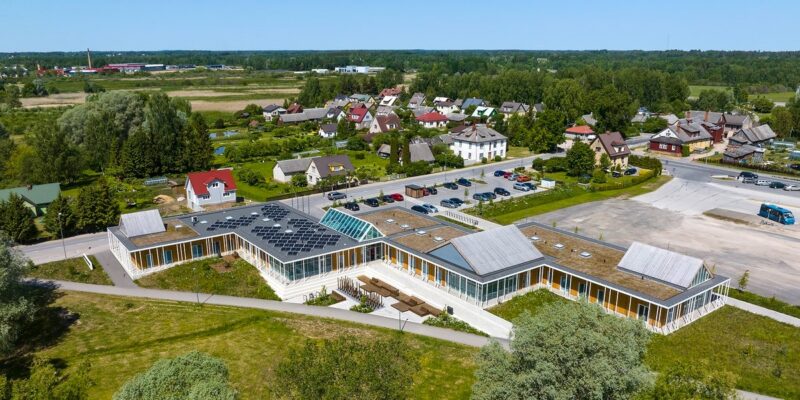
(Photo: OÜ Evari Ehitus)
Installation of technical systems on a flat roof and connection of specific pitched roof-shaped roof windows and solar panels to Võru Health Center's unique sawtooth building.
Also read other useful articles from OÜ Evari Ehitus website.
Search
Keywords
Most read articles
- Price per Square Meter of Apartments in Tallinn in 2025

- Apartment Market in Early 2026: Prices Rising, Transaction Activity Remains Modest

- Apartment Market in Early 2026: Prices Rise, Transaction Activity Remains Modest
- Estonian Apartment Prices and Market Expectations in 2025
- Notary Fee and State Fee – Who Pays and How Much?