Tallinn's New Developments: Where Historic Architecture Meets the Future Skyline
Introduction
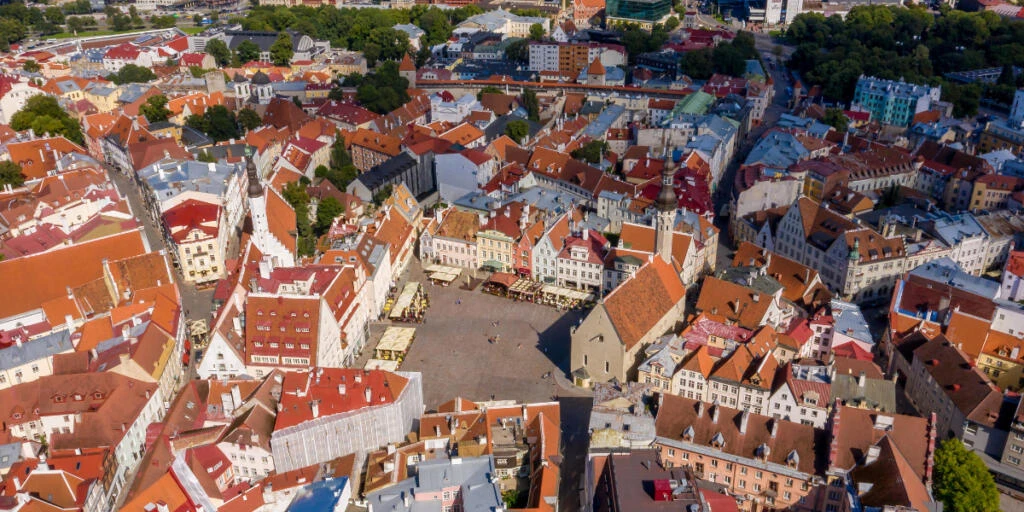
Tallinn, Estonia's capital and the most vibrant city in the country, continues to experience remarkable development. The historic center of Tallinn, which is part of the Hanseatic League and is recognized by UNESCO as a world heritage site for its public buildings, particularly churches, with their rich and luxurious architecture, is a place where the past meets the present. In this context, new developments are particularly important. It is these projects that shape the future skyline, reflecting both historical heritage and contemporary development trends. Tallinn's Development Strategy 2035 demonstrates the city's vision: only optimally sized buildings are constructed and mixed-use buildings are promoted. New buildings are cost-effective and have an energy rating of A. While tourists come to Tallinn primarily to experience the picturesque old town, which reflects its medieval roots, there are also other exciting initiatives in the city's development. All of this proves that Tallinn's architectural landscape is a dynamic blend of old and new, which continues to tell our history while seeking the future.
Recent Construction Developments in Tallinn
The past decade has brought significant developments in Tallinn's construction sector. Starting with the Tallinn Development Plan 2014-2020, which emphasized improving the quality of urban space, the city has become more attractive thanks to many new buildings – banks, shopping centers, and offices. Between 2007 and 2009, the Astlanda company built apartment buildings at Meeliku 22 on behalf of Tallinn, totaling 320 apartments, demonstrating the city's commitment to providing citizens with quality housing.
The Tallinn Architecture Biennial 2013 reflected the theme "Reuse of Socialism," which focused on the reuse of existing structures and spaces and their transformation into contemporary and functional solutions. Recent project news from ArchDaily highlights the city's efforts to transform the concrete jungles we have built over the century into more contemporary and environmentally friendly spaces.
Despite this positive trend, the Estonian real estate market experienced a slowdown in the first quarter of 2023, where according to Swedbank data, bookings for new development projects were 12 times smaller compared to previous peaks. This suggests the possibility that the market is correcting itself after intensive development activity.
The Estonian Academy of Arts has also confirmed a new development plan for 2016-2020, which emphasizes the university's mission, vision, and most important goals, thus demonstrating Tallinn's educational institutions' commitment to promoting contemporary architecture and design.
Growth of New Developments in Tallinn
The landscape of new developments in Tallinn has experienced significant growth over the past decade, but based on recent data, there has been a certain decline this year. Specifically, construction volume decreased by 12% in the second quarter of 2023, as the data shows. Despite this, Tallinn's vision is firmly directed towards urban planning and sustainable development, which are implemented through six strategic objectives, the achievement of which is done in cooperation with the entire city organization and community.
The main players and construction companies driving this wave of development have focused on both building new buildings and renovating old ones, ensuring that Tallinn's architectural heritage is preserved while also being in line with contemporary building requirements. Particular emphasis has been placed on sustainability and energy efficiency, which comply with both European Union directives and Estonia's own objectives.
Despite the short-term decline, it is clear that the Tallinn construction market has significant potential. Investments in infrastructure, transportation networks, and public spaces demonstrate the city's commitment to improving the quality of life for its citizens. With new development projects and investments, Tallinn has positioned itself as an innovative and forward-looking capital that invites both residents and investors to participate in its dynamic transformation.
New and Prominent Hipodroom Development in Tallinn
Recently, the impressive Hipodroom Quarter has begun to stand out in Tallinn's landscape of new developments, having received significant attention from both local and international investors. According to ERR news, the development is planned to comprise a combined 1,000 new apartments in all buildings. Karl Ader, head of the business development department, has highlighted the great ambition and potential of this project to transform Tallinn's business and living environment. Following lengthy disagreements between the land owner Alfa Property and Tallinn City Government, the launch of the Hipodroom development project now appears more positive. According to the news, construction activities could begin as early as next year.
This development appears to be part of a larger trend aimed at attracting more business to Tallinn. For example, it has been heard that the popular Jalla Casino is actively seeking new office space, and the Hipodroom Quarter could potentially offer them an ideal location. With new, contemporary, and strategically located development like the Hipodroom Quarter, Tallinn can confirm its position as a city that not only offers a historical and cultural experience but is also economically attractive to businesses and investors.
On the official website of the Hipodroom Quarter, it is described as a "new business and living environment in Tallinn, where cooperation leads to results." This reflects the city's aspirations to create an integrated living and working environment that promotes cooperation, innovation, and a sense of community belonging. Taking into account Tallinn's Development Strategy 2035 and the city's long-term objectives, it is clear that such large-scale development projects as the Hipodroom Quarter are important in shaping the city's dynamic and sustainable future.
Positive and Controversial Effects of New Developments
Tallinn's new developments have shaped the city's modern appearance, which has both positive and criticized aspects. On the one hand, new buildings bring significant benefits to the city's economy, creating new jobs and attracting investors. Tallinn's 2035 Development Strategy emphasizes how when planning new buildings, their impact on the daily lives of city residents must be considered. In doing so, buildings should be soundproof and consider the impact of the urban environment, being in harmony with existing infrastructure. The strategy also shows that every construction decision affects the city's living environment, whether its impact is positive or negative.
On the other hand, there is criticism of inadequate road construction organization, as highlighted by Manuela Pihlap in an ERR news report. While road construction is an important part of city development and better than not building roads, Tallinn's road construction organization has been problematic. The long-term view of construction until 2035 highlights a critical bottleneck concerning the poor quality of preparation of construction and planning projects, showing that there is room for improvement in planning and preparation.
Additionally, some new developments have caused controversy due to their impact on ecology, as outlined in Tallinn's development plan for 2009–2027, which emphasizes the need to build a new administration building for city management, but at the same time it must be ensured that new developments do not negatively affect the ecological system of the sea zone. In addition, criticism has been raised that some construction projects, such as the City Hall, have been overly ambitious and require frequent renovation work, which may be short-sighted and inconsistent with the city's long-term vision.
Despite these criticisms, the impact of new developments on Tallinn's cityscape and economy is broadly positive, bringing both aesthetic and practical benefits. It is important that construction developments follow the principles of sustainability and are in line with the city's long-term goals and strategies, ensuring that Tallinn continues to develop in a way that reflects both its historical heritage and contemporary needs and trends.
Summary and Conclusion
Tallinn, Estonia's historic capital, has a vibrant architectural landscape that combines the past and the present, offering a dynamic blend of historical architecture and contemporary new developments. In its development, there is a strong emphasis on sustainability, where new buildings not only reflect the city's historical heritage but are also energy-efficient and in line with contemporary standards.
While new developments have brought many benefits to Tallinn, they also have their challenges. For example, there is criticism regarding the impact of construction projects on the environment and infrastructure, which demonstrates that the city must continually find a balance between development and sustainability.
In conclusion, it is important to emphasize that Tallinn's architectural landscape is a dynamic process that reflects the city's historical heritage but is also ready to embrace new development trends. The preservation of existing buildings and the creation of contemporary and functional solutions alongside them is critical to ensure the city's continued growth and development, while at the same time respecting its rich history.
Search
Keywords
Most read articles
- Price per Square Meter of Apartments in Tallinn in 2025
- Apartment Market in Early 2026: Prices Rising, Transaction Activity Remains Modest

- Apartment Market in Early 2026: Prices Rise, Transaction Activity Remains Modest
- Estonian Apartment Prices and Market Expectations in 2025
- Notary Fee and State Fee – Who Pays and How Much?