Study: Changing Lifestyles Impact Housing Markets and Home Needs
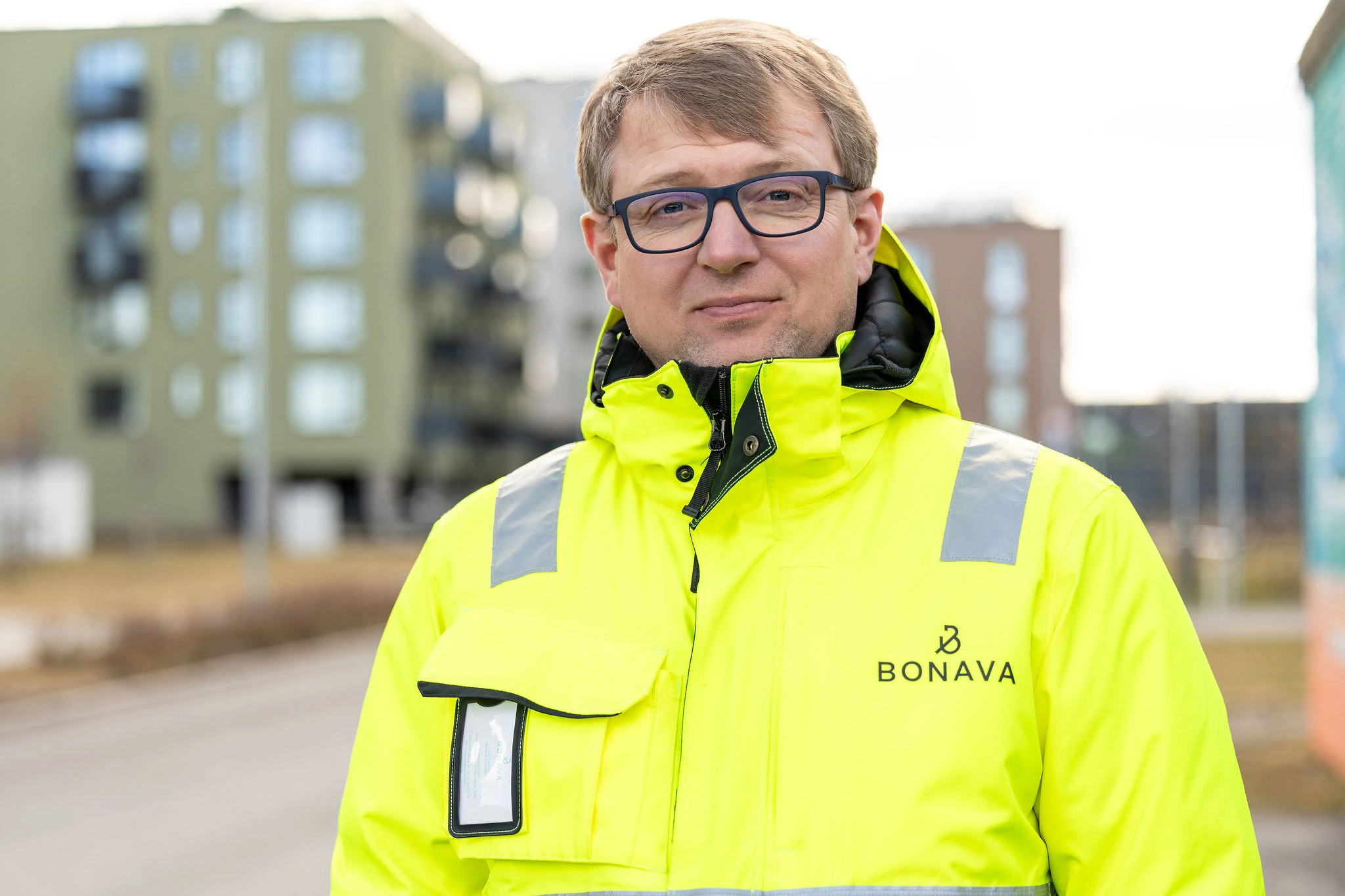
On average, every third young European does not plan to have children, many older adults do not see themselves moving to a new home, and the boundaries between work and personal life are becoming blurred. Changing lifestyles affect what kind of living environments and homes need to be developed in the future, according to an international study commissioned by Bonava, which involved 4,000 people from Sweden, Finland, Germany, Estonia, Latvia, and Lithuania.
One sign of changing lifestyles is the postponement of family formation and lower willingness to have children. Among all 20–29-year-old respondents who participated in the study, one third said they do not have children and do not plan to have them in the future. There are notable differences between countries – in Finland, 47% of young people feel this way, in Germany 30%, and in the Baltics as a whole approximately one quarter.
„The study shows that in Estonia, the share of young people who do not wish to have children is smaller than in neighboring countries, and our local result does not follow as strongly the trend seen elsewhere in Europe. At the same time, homes are being designed for decades ahead, and we must take into account that family models and lifestyles are also changing here. From the housing market perspective, the decisive factor is not only the number of children, but rather how many different households there are, what their needs are, and how the home can meet these expectations over time," said Lauri Laanoja, Head of Sales and Marketing at Bonava Estonia.
Older adults are cautious about moving
The study revealed that nearly half of respondents aged 65–74 do not see themselves ever moving to a new home.
„The result is understandable, because a home and the neighborhood surrounding it are strongly associated for people with habits, social networks, and a sense of security. If moving is not seen as bringing a sufficiently significant improvement in quality of life, many consequently remain living in homes that no longer fully meet their changing needs," noted Lauri Laanoja.
Among those older adults who do consider moving, 34% primarily want a home that would be easier to maintain. However, interest in moving to new development areas is significantly lower than among younger generations – only 26% of older adults would consider moving to a new living environment. Among 20–29-year-olds, this figure is 40%.
„Older adults are looking for a functioning living environment, preferably in a familiar area, because they wish to live independently, safely, and actively for as long as possible. If we can offer them affordable, comfortable, and attractive homes, we support older adults' independent coping and would improve their quality of life," explained Laanoja.
Home is increasingly also a workplace
In addition to family and demographic changes, the blurring of boundaries between work and personal life is increasingly affecting the housing market. The study reveals that work has permanently moved within the walls of home.
In six countries that participated in the study, at least 41% of respondents work from home one day per week, but in Estonia as many as 58%.
„Hybrid work has become everyday for many people. This means that home is both a place for rest and spending time with family, but there must also be the ability to focus and work there, without compromising living comfort or increasing housing costs. For the housing market, this means a growing need for flexible and well-thought-out homes with separate work areas and intelligently used space," said a Bonava representative.
The study also shows that shared work spaces near home are becoming increasingly important: more than one third of respondents would be willing to use a shared office with neighbors.
„People's lifestyles are changing faster than ever before, and therefore the home must also be able to change with the person. Developers and urban planners must increasingly think about how to create homes and neighborhoods that suit different generations and allow people to live in the same area even when their needs change over time. For every stage of life, you don't necessarily need to find a new home – the existing environment should support a person throughout decades," noted Lauri Laanoja.
Bonava is Europe's leading residential developer whose mission is to create happy neighborhoods for many people. Bonava's 900 employees develop residential buildings in Germany, Sweden, Finland, Estonia, Latvia, and Lithuania. The company has built 50,000 homes to date, with the Group's 2025 sales revenue approximately 700 million euros. Bonava shares and green bonds are listed on Nasdaq Stockholm.
Search
Keywords
Most read articles
- Price per Square Meter of Apartments in Tallinn in 2025

- Apartment Market in Early 2026: Prices Rising, Transaction Activity Remains Modest

- Apartment Market in Early 2026: Prices Rise, Transaction Activity Remains Modest
- Estonian Apartment Prices and Market Expectations in 2025
- Notary Fee and State Fee – Who Pays and How Much?