Sound Insulation – for Comfort and Health
Undoubtedly, no one doubts that unwanted noise negatively affects people's health and well-being in several ways, from hearing damage to sleep disorders or decreased productivity. Fortunately, the construction market offers various solutions that help reduce noise and its negative impact on health.
Environmental noise negatively affects people's health
According to the World Health Organization (WHO), noise can affect health, well-being, productivity, and the natural environment. Environmental noise is the second leading cause of harmful health effects after air pollution. According to WHO data, approximately 40% of people aged 12–35 may experience dangerous noise levels when visiting entertainment venues. Additionally, noise generated by city traffic is also a source of health risk. Noise levels in buildings cannot always be controlled, but by choosing effective sound insulation solutions for building structures when constructing or renovating buildings, one can contribute to solving the problem.
How to avoid noise?
Effective sound insulation is important in buildings of any purpose to ensure sound insulation of spaces and create a comfortable and safe indoor climate. According to Paul Wells, a representative of stone wool manufacturer ROCKWOOL, noise protection in buildings can be ensured through sound insulation of interior walls and intermediate floors. In Estonia, sound insulation indicators for external walls, partition walls, and intermediate floors of buildings are described in the current standard EVS 842:2003 "Sound insulation requirements for buildings. Protection against noise".
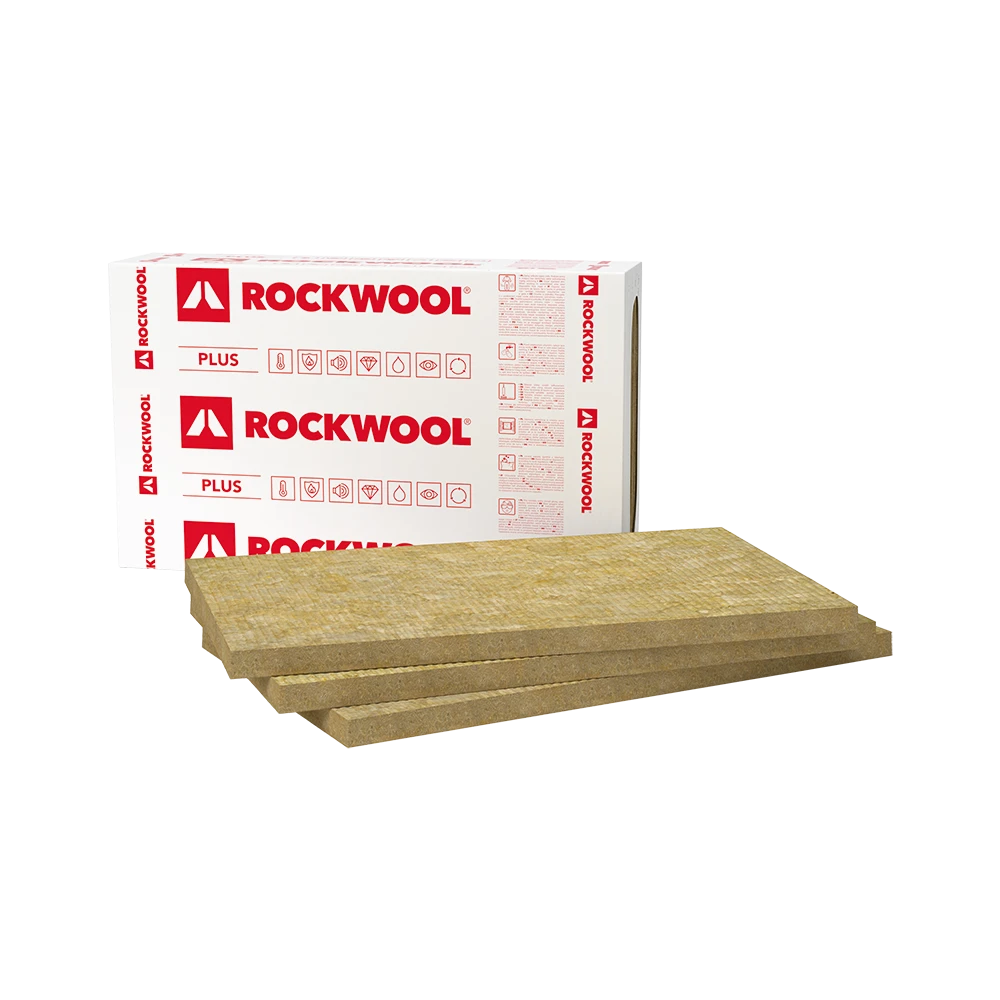
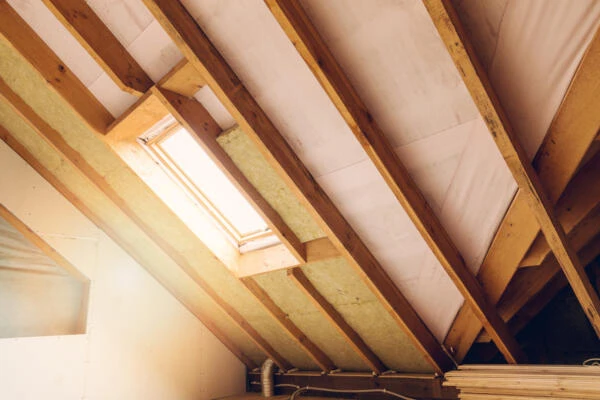
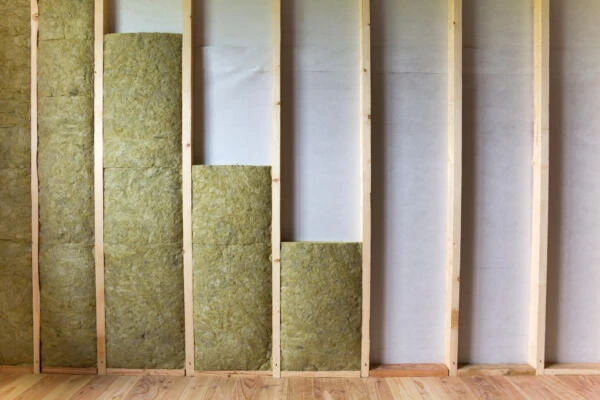
"To avoid noise, both when constructing new structures and renovating buildings, it is recommended to use universal stone wool boards for insulating floors, walls, and roofs, which not only effectively dampen noise but are also fire and moisture resistant and do not compress within the structure," says ROCKWOOL representative P. Wells.
Stone wool products are dense yet porous, offering good sound insulation at many sound frequencies. Stone wool fiber material, which works through the cooperation of stone microfibers and air pores, absorbs sound waves well, ensuring excellent sound insulation and reducing unwanted noise. The best option is to use multi-layered solutions in which sound-absorbing layers alternate with sound-reflecting layers. The joints between partition walls are also extremely important – connections with sound-insulating fastening details and sound-dampening tapes.
Solution – stone wool products
Noise is of two types: airborne noise and impact noise. Airborne noise spreads when playing music, speaking loudly, singing, operating household appliances, but the most common complaints are actually about impact noise – moving furniture, footsteps, children running, objects falling, etc. To avoid such noise, it is necessary to improve the sound insulation properties of residential partition walls and intermediate floors. The airborne sound insulation index (R'w) must be ≥55 dB between apartment living rooms and ≥43 dB between rooms in one apartment. The impact noise level index (L'n,w) must be ≤53 dB between apartments and ≤63 dB between living rooms in one apartment. For airborne sound insulation of partition walls, experts recommend using universal denser stone wool boards SUPERROCK PREMIUM. These boards can be used in various light constructions for sound and thermal insulation.
For those who wish to avoid impact noise, experts also offer STEPROCK PLUS stone wool boards, which are strong and non-flammable. These boards can be used for sound and thermal insulation of floating floors in buildings of various purposes: residential buildings, public buildings, hotels, schools, or hospitals. When using STEPROCK PLUS insulation boards, disturbances from jumping, walking, moving furniture, and other such noise are reduced. Solutions using these boards have been tested under laboratory conditions and through experiments in real buildings, and they have excellent sound insulation properties.
Search
Keywords
Most read articles
- Price per Square Meter of Apartments in Tallinn in 2025
- Apartment Market in Early 2026: Prices Rising, Transaction Activity Remains Modest

- Apartment Market in Early 2026: Prices Rise, Transaction Activity Remains Modest
- Estonian Apartment Prices and Market Expectations in 2025
- Notary Fee and State Fee – Who Pays and How Much?