From Sauna Planning to First Heating: What to Keep in Mind?
From sauna planning to first heating: what to keep in mind?
„No one has ever said they don't like a sauna." That's why Kaanon Kinnisvara decided to explore the kitchen side of this passionately loved sauna world – its construction, costs, possibilities, and more. We spoke with Siim Nellis, founder of design screen manufacturer HUUM, who knows a thing or two about saunas, being an ardent sauna enthusiast himself.
I want to build myself a sauna. Where should I start?
First of all, you need to figure out where you want to build the sauna. For example, in an existing building or as a separate structure? Additionally, what are your heating options: electricity or wood? It's rare in Estonia, but it does happen that someone wants a more proper and larger sauna, but Elektrilevi cannot provide sufficient electrical power.
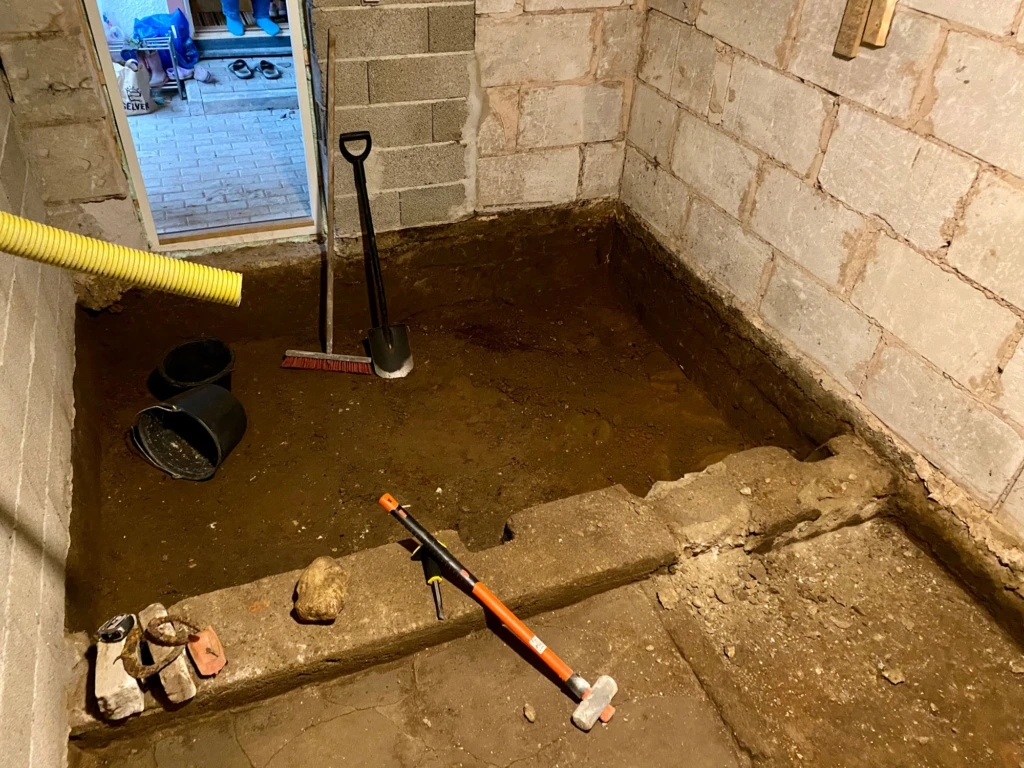
Sauna in an apartment: if you have an old stove apartment and have (partially) switched to gas or electric heating, you can also install a wood-burning heater there. So electric heating is not the only option for an apartment.
It's important to understand whether the sauna will be built as a separate structure or in a residential building. Different requirements and possibilities follow from that.
What does sauna regulation involve?
This topic could fill an entire book … If a sauna is built, for example, as a separate structure, you must follow municipal requirements and building codes (including how to notify and coordinate). If the sauna, for example, goes next to a shower room and is treated as an electrical device, in most cases it's enough for an electrician to do their work according to building regulations and electrical safety requirements.
A separate and more complex issue is installing a wood-burning heater in an existing building. I definitely recommend that both wood-burning and electric heaters be installed by a specialist with appropriate qualifications – otherwise it's an illegal installation. As a result, potential problems can arise, for example, with insurance.
I recommend contacting your municipality's building specialist beforehand.
Also read about the regulations for building an electric sauna (in an apartment) here.
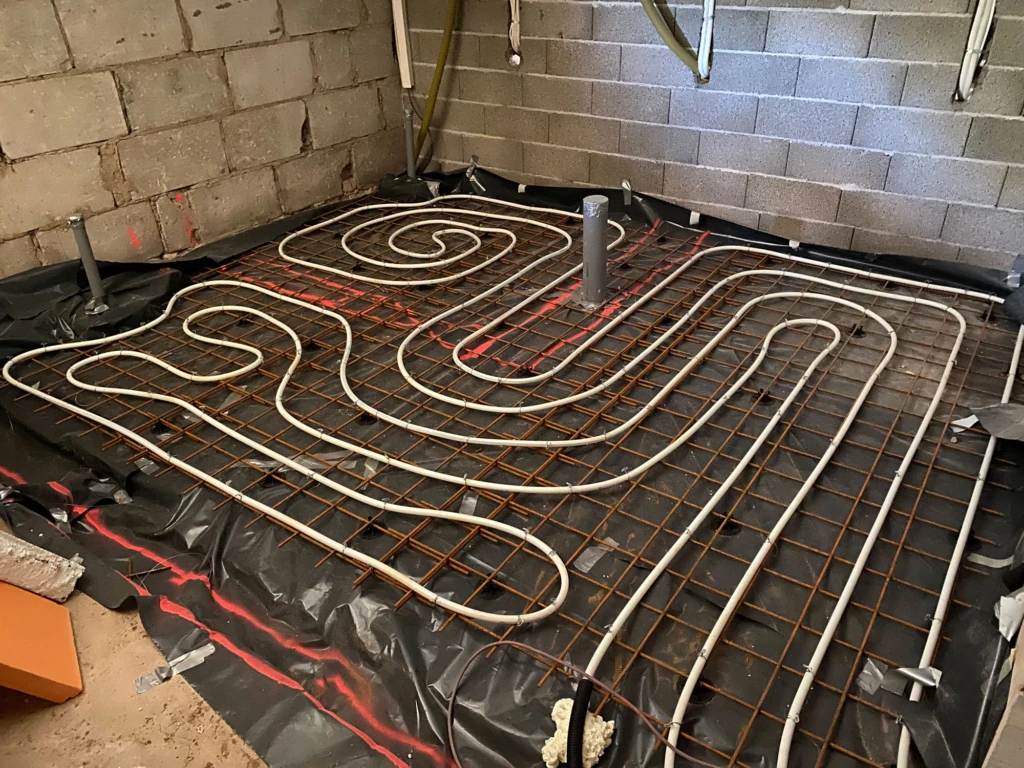
Should I build the sauna myself or hire a professional?
If you do regular construction work yourself, definitely look for additional materials. But finding materials is a bit tricky nowadays because the material available on the internet is often of questionable value or outdated. It can be quite difficult for an ordinary person to pick out the right thing. The good news is that HUUM will soon release a series of relevant articles and a book.
Unfortunately, quite a lot of sauna builders make mistakes with very important basic principles, which is why I definitely recommend consulting and getting advice from the side. Every Estonian man can cut a piece of wood himself, but how to solve ventilation, what is optimal bench planning and construction, what to use for interior finishing – these are more specialized topics.
As for heating stoves, both electric and wood-fired, as mentioned above, you definitely need to call a specialist, since the law requires it.
Wood-burning vs. electric sauna: which to prefer?
In my opinion, the biggest advantage of a wood-burning stove is the emotional aspect: a living fire, smell, crackling sound.
The main advantage of an electric heater is convenience (for example, you can start it from your phone).
The understanding that one or the other has better steam is outdated – the only factor that determines steam quality is the amount of stones. And nowadays, electric heaters often have even more stones than wood-burning ones.
Which option is more expensive?
Today, proper and quality wood-burning stoves are more expensive than electric heaters. In addition to the stove itself, you also have to build a chimney for wood-heating and meet fire safety requirements on a much larger scale. So building a wood-fired sauna generally ends up being more expensive overall.
If we talk more generally about costs, it's difficult to say one price for building a sauna. It depends on how much work is done yourself and how much specialist companies are involved. If you involve specialist(s), prices can sometimes become astronomical. The old truth is that especially in construction, to find an optimal price, you need to get several quotes. For example, I have personal experience with sauna construction where I received a price quote for work that two men could do in two days and the labor cost was 3,000 euros …
I recommend choosing an optimal space size that matches your wishes and possibilities. A sauna that is made too small is not significantly cheaper, but the comfort of use and the number of users that can fit decrease significantly. I recommend a room size of approx. 2×1.5 m, where three to four people can comfortably sit on the bench. If you want a sauna for a larger group where, for example, 10 people can be on the bench, then you need a sauna of about 2.4×2.8 m. In this case, it's possible to build a U-shaped bench, which doesn't cost significantly more than, for example, 2×1.5 m.
Where is it possible to save costs, and where should you definitely not do so?
I recommend choosing a classic and optimal wood solution. For example, aspen/alder – wood suitable for a sauna at a reasonable price. With wood materials, you don't have to go very expensive and necessarily choose thermowood.
Another possible place to save is to build the sauna (as much as possible) yourself (if you know how, of course).
But there's not really anywhere else to cut back. I definitely do not recommend optimizing costs from the aspects that most determine environment/air quality – the sauna heating element and ventilation. The latter is not even a cost item in the end, because doing it correctly, the cost vs. effect balance clearly tips in favor of the effect achieved.
Regarding the heating element: if you want to get proper steam, there's no point in putting a stove with ten kilos of stones – it doesn't matter how small or large the sauna is, you won't get decent steam from it.
How much does one heating session of an average-sized electric sauna cost in an apartment? Is using a wood-burning sauna cheaper?
It depends on how long you stay in the sauna and what power the heater has. Generally, home heaters range between 6 and 10.5 kW. Based on this, you can say that the cost of an average sauna session (2–4 square meters) ranges between 3 and 5 euros.
If you now think about how much work you have to do (time resources) to prepare firewood for yourself (or buy firewood from a gas station
Search
Keywords
Most read articles
- Price per Square Meter of Apartments in Tallinn in 2025

- Apartment Market in Early 2026: Prices Rising, Transaction Activity Remains Modest

- Apartment Market in Early 2026: Prices Rise, Transaction Activity Remains Modest
- Estonian Apartment Prices and Market Expectations in 2025
- Notary Fee and State Fee – Who Pays and How Much?