Save on Heating Costs: How to Detect Heat Leaks in Your Apartment Yourself
Does your home stay warm even when the radiators are turned down low? In Estonia, heating accounts for approximately 72% of household energy consumption, which is why detecting every leak is a direct win for your wallet and comfort during the winter heating season.
Finding heat losses doesn't always require an expensive thermal camera or a specialist visit – careful attention and simple household tools are sufficient. The most common heat energy loss occurs through poor-quality window and door seals, but problem areas often hide in poorly insulated pipe penetrations or exterior wall corners. If you're planning to buy a new home and browsing offers from, for example, Keila city sales listings, you should always pay attention to window condition and possible thermal bridges when viewing the property.
Checking window tightness with a paper test
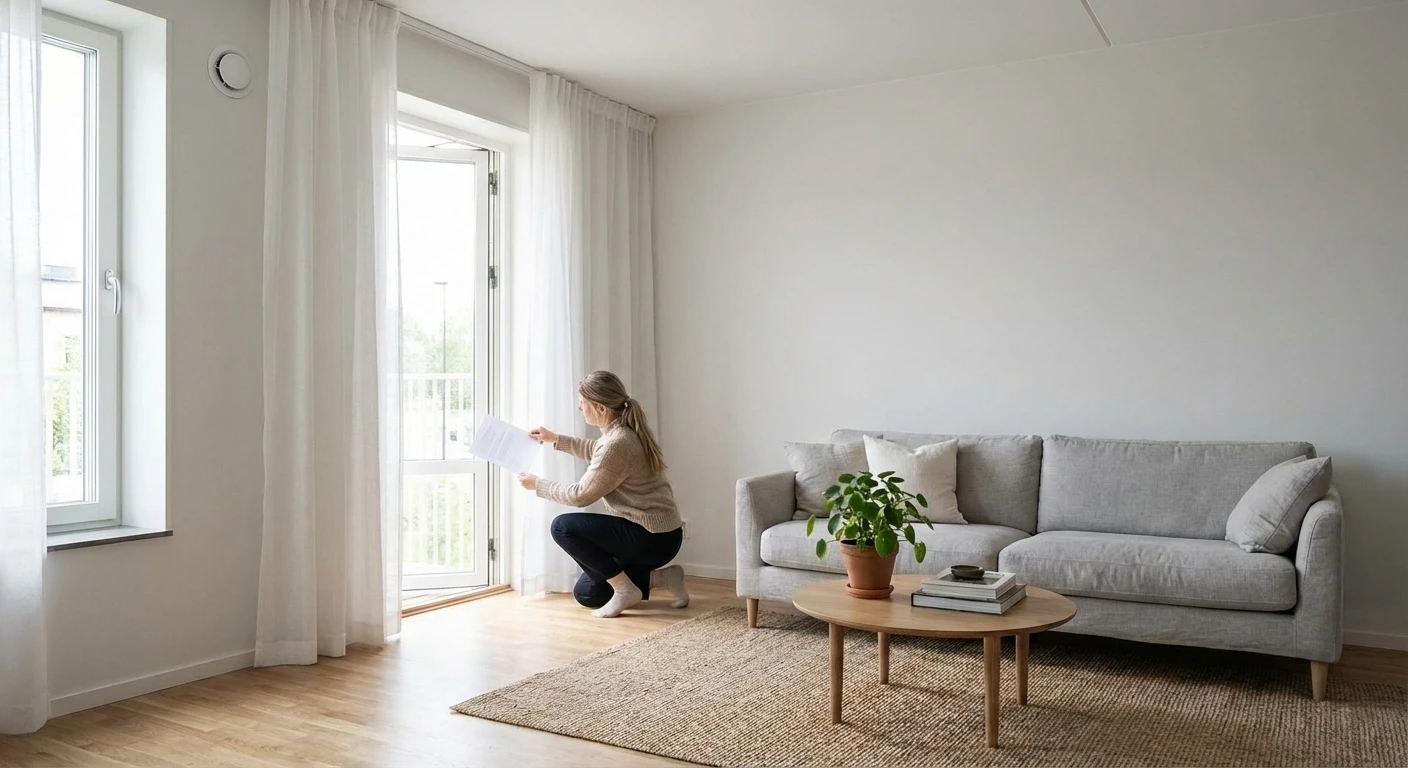
Window checking should begin with a simple paper test, which is one of the most effective ways to detect air leaks without special equipment. Place a regular sheet of paper between an open window sash, close the window, and try to pull the paper out carefully. If the paper moves easily or comes out without resistance, the seals are worn out or the window frame needs adjustment. As an additional method, you can use a wet hand or a lit candle, moving it slowly along the window edge and watching for flame flickering or sensing air flow on your skin
This check is particularly important for older buildings, where even renovated houses may have individual apartments suffering from poor thermal retention. If you're looking for, for example, an apartment in Märja village, always make sure that the owner has paid sufficient attention to window maintenance, as well-maintained seals help prevent unnecessary heat loss.
External doors and detecting leaks with light
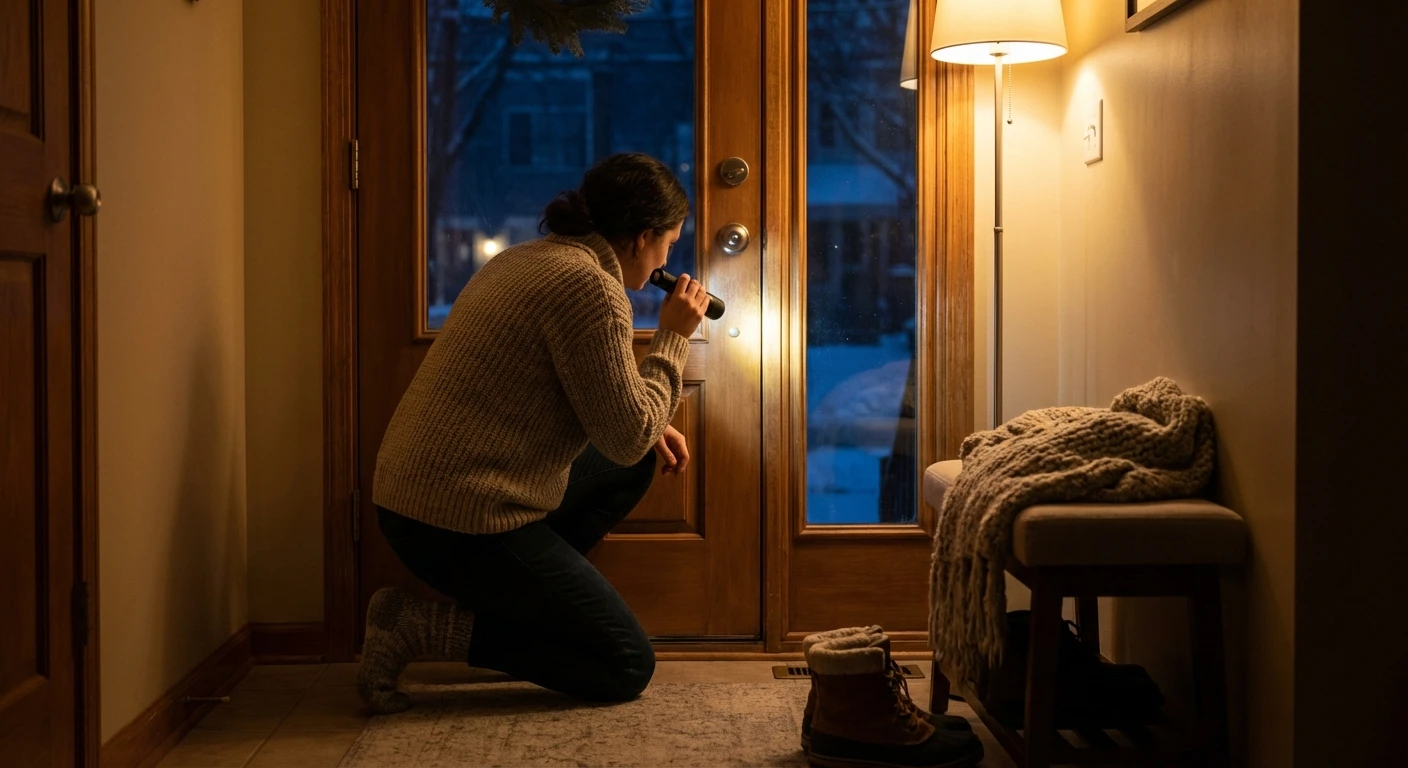
External doors are another critical location where warm air escapes unnoticed and is replaced by cold hallway air. Check the door edge, threshold, and door frame surroundings, as over time doors settle and seals lose their elasticity. The light test is very helpful here: if it's dark outside and the light is on inside the apartment, you shouldn't see light coming through the door edge from outside. If light shows through, air is also moving through there, which means direct costs on your heating bill.
This is a common problem with rental properties, where seals may not have been replaced for years. When looking for a rental apartment in Pärnu county, you should check the external door's tightness and condition on your first visit. This simple step helps you avoid unexpectedly high utility bills and ensures the apartment stays warm even in the harshest frost.
Thermal bridges in wall corners and signs of moisture
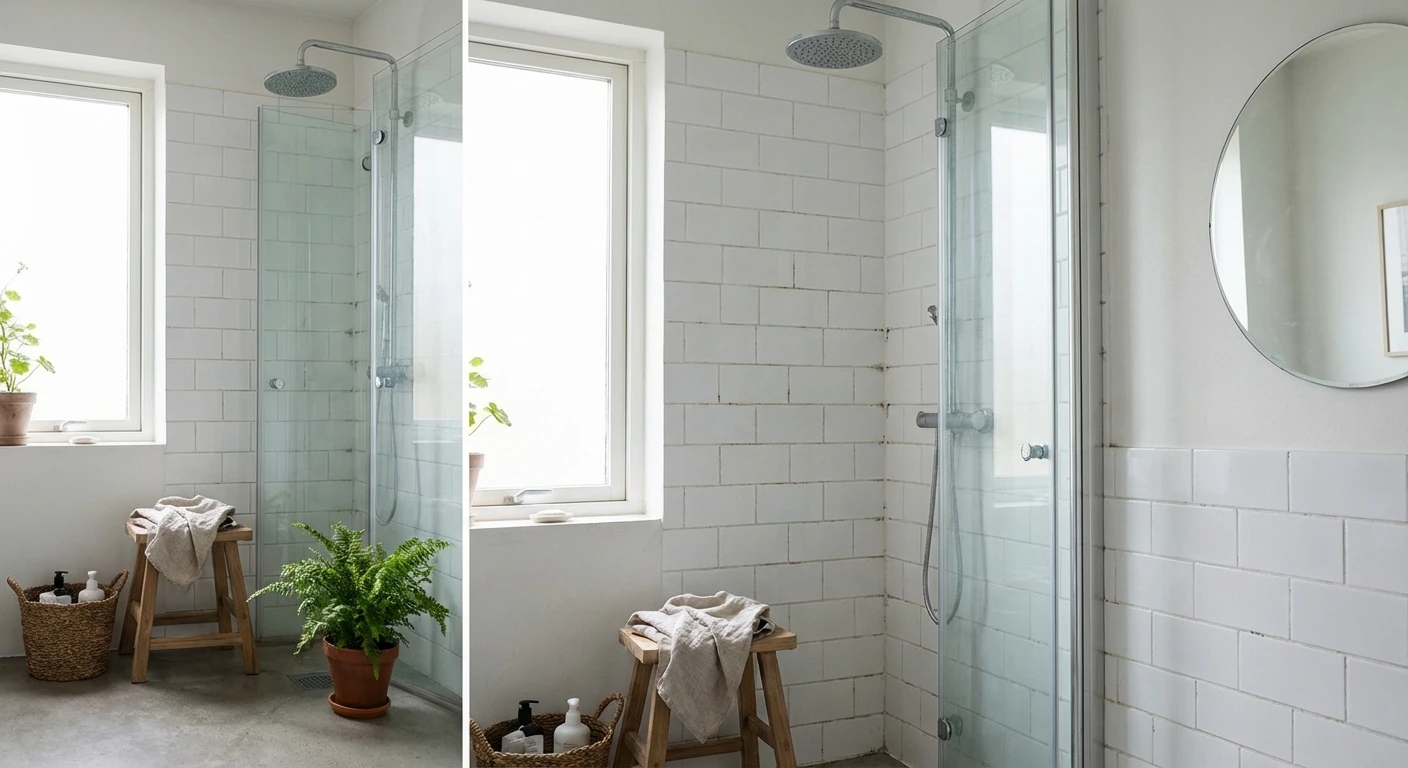
The thermal retention of walls and corners can be checked with a simple touch, but for more precise analysis, you should watch for moisture accumulation and visual signs. If darker stains can be seen in a room corner or condensation water constantly accumulates at the bottom of a window, this indicates a thermal bridge and inadequate air circulation. A cold wall draws room heat into itself like a sponge, creating an uncomfortable cold feeling even when radiators are hot.
When choosing a new home and examining, for example, apartments in Veeriku district, pay special attention to the condition of external wall interior finishing. Clean and dry walls indicate quality insulation, which will save you from future additional costs and ensure a healthy indoor climate without mold risk.
Penetrations and hidden air leaks in piping
Pipe and ventilation penetrations are often forgotten leak sources where cold outside air enters the apartment through utility shafts or even electrical outlets. If you notice an unexplained draft from under kitchen cabinets or near bathroom pipes, it's likely that insulation is lacking in those areas. Such invisible leaks can significantly increase your heating bill, as in Estonia, 38% of household electricity use often goes to additional heating when the main system cannot compensate for heat losses.
Before moving to a new place, whether it's an apartment in Haabersti or an apartment in another area, always ask to see the previous period's heating bills. This gives you a real picture of the apartment's energy efficiency and helps you understand whether the building's technical systems and insulation are at a modern level.
Floors and cracks between baseboards
Cracks between floors and baseboards are particularly relevant in first-floor apartments, where cold from the basement or foundation can make living uncomfortable. The area around baseboards can be effectively checked with smoke, watching how it moves along the wall edge. If the smoke disappears behind the baseboard or starts swirling away from it, that area needs sealing with acrylic or other suitable filler material.
A consciously checked home not only saves you money but also increases property value on the rental market. Potential tenants looking for a home in Tartu's Veeriku area increasingly appreciate low fixed costs and stable indoor climate. Starting with these simple methods, you can create a more comfortable living environment for yourself and keep heating costs under control. However, if you find that your current apartment requires too large investments, Kinnisvara24 offers a wide selection of modern and energy-efficient homes throughout Estonia.
Search
Keywords
Most read articles
- Price per Square Meter of Apartments in Tallinn in 2025

- Apartment Market in Early 2026: Prices Rising, Transaction Activity Remains Modest

- Apartment Market in Early 2026: Prices Rise, Transaction Activity Remains Modest
- Estonian Apartment Prices and Market Expectations in 2025
- Notary Fee and State Fee – Who Pays and How Much?