New Construction Slump Could Create New Shortage a Year from Now
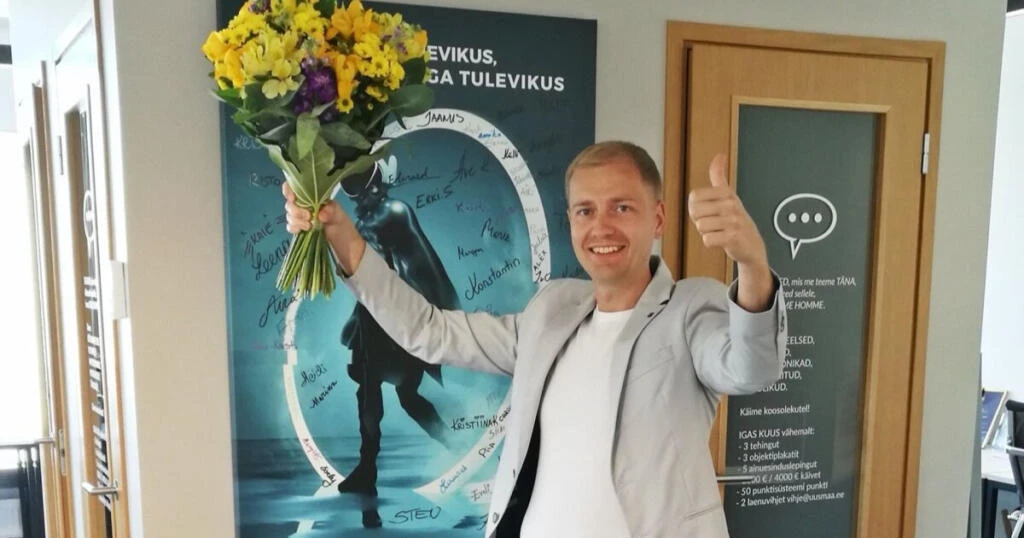
According to Marek Kirjanen, head of residential properties at Estonia's largest real estate office Uus Maa, very few new apartments are being built currently, which could result in a shortage within a year.
According to Marek Kirjanen, the current situation is similar to the corona period, when development suddenly came to a halt, but since there was no major economic crash, demand emerged that supply could not meet.
„The current uncertainty is related to rising inflation and euribor, but overall economic indicators are stable, unemployment is low, and wages are rather rising, and there is no particular reason to expect a major decline. Currently, the main brake on the real estate sector is the rising euribor, but if inflation can be brought under control, it will start falling again, which could happen as early as next year," added Kirjanen.
„Real estate development takes time, and it takes a couple of years from project to finished home. Some developers also have development-ready projects in their drawer, but even then, construction takes at least a year, and when demand returns, there is nothing to offer immediately," said Kirjanen.
According to the head of residential properties at Uus Maa, developers are cautious and are completing unfinished projects, but only a few new ones are being added. „While second-hand apartment prices have corrected from their peak by sometimes 20% below, this has not happened with new ones. There is room for negotiation in developments, but realistically there is not much hope that prices will drop much, because construction costs are still high," commented Kirjanen.
"The number of building permits is decreasing, but the number of new usage permits remains high. This shows that previous projects are gradually being completed and handed over to buyers, but fewer new ones are being built. Also, new developments are currently being reserved much less than before. Right now, two types of new developments are mainly being purchased – affordably priced suburban locations like Tiskre, Saue and Saku. On a smaller scale, but with clear interest, there is also very high-quality new developments, for example in the Noblessner area. It is harder to find buyers for intermediate products that appeal neither by price nor character – people have become much more demanding than before," said Kirjanen.
„Likely, a shortage will emerge first in those new developments that are still selling successfully now – affordable or very high-quality, but in the intermediate range, shortage is not expected soon," added Kirjanen.
„New townhouses and homes are always built less compared to apartments, and they are also going as commodity now. With Harjumaa townhouses, the price limit has come down slightly – where a year ago they were testing a 400,000 euro price point, today the supply has come to 360,000 – 370,000 euros. With houses, the price sensitivity threshold remains mostly around half a million, beyond which the number of transactions decreases significantly," added Kirjanen.
„Since with the rise in euribor, some potential buyers can no longer get a loan and people don't want to pay high interest either, there is an easier shift to purchases without a loan. While about a year ago, about 80% of homes were purchased with a loan, now the split is 50/50," said Kirjanen.
„In the long term, at least in Tallinn and its surrounding municipalities, demand will go up. Tartu University forecasted that in 25 years, the capital will have 90,000 more inhabitants than today. These people need somewhere to live and that will certainly affect the market and future development," added Kirjanen.
Search
Keywords
Most read articles
- Price per Square Meter of Apartments in Tallinn in 2025
- Apartment Market in Early 2026: Prices Rising, Transaction Activity Remains Modest

- Apartment Market in Early 2026: Prices Rise, Transaction Activity Remains Modest
- Estonian Apartment Prices and Market Expectations in 2025
- Notary Fee and State Fee – Who Pays and How Much?