The Construction Sector Ended Last Year with Weak Results
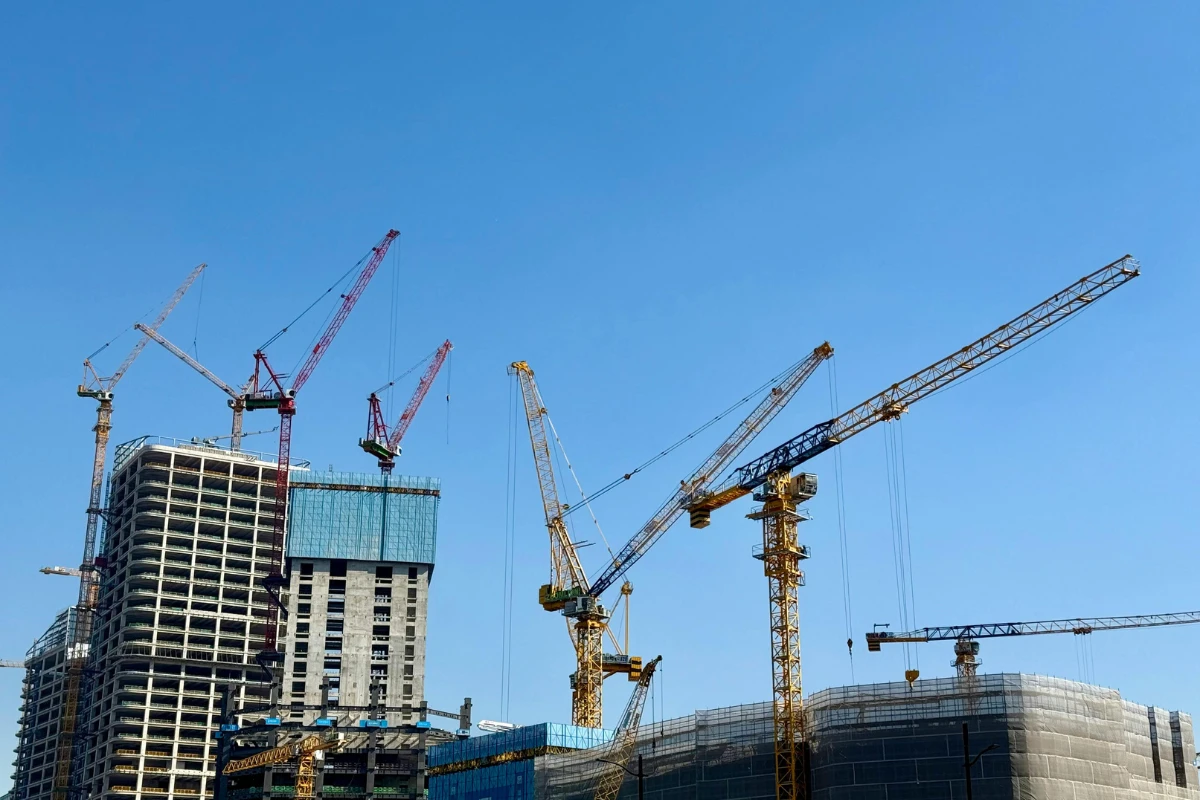
Last year, the volume of construction work carried out in Estonia decreased by 1.4% compared to the year before. Building construction volume increased by 1.9% last year, while construction of facilities declined by 6.8%. The fourth quarter result was weak and slowed construction volume the most across quarters. In the last quarter of the year, construction volume in Estonia fell by 6.4%. Building construction volume decreased by 8.7% and facilities were built 2.9% less in the last quarter.
Construction companies' confidence improving
Despite the weak result, construction companies' overall confidence continued to improve in the last quarter of the year and remained only slightly below the long-term average. Order positions have improved, but there are still slightly fewer of them than usual. According to the Konjunktuuriinstituut, the confidence of companies engaged in building construction was considerably better by the end of last year compared to a year earlier, and confidence in facilities construction also improved somewhat.
After four years of decline, the number of building permits issued for residential premises reversed to growth last year and was 35% higher than a year earlier. Last year, 4% more residential units were completed.
Non-residential buildings completed last year were 8% larger in volume compared to the year before. The number of building permits issued for non-residential buildings was in a growth trend in 2023-2024. However, last year the volume of building permits issued fell 7% short of the year before, and compared to 2023, the number of building permits was similar.
The Estonian economy is gradually reviving and with it, the outlook for the construction sector is improving. This year, the sector is supported by the government's infrastructure investments, and the elimination of tax wedge will increase demand for residential real estate.
Apartment affordability increases noticeably at the beginning of this year
Estonia's apartment market saw signs of life last year, but it was concentrated mainly in the secondary market. According to the Land and Real Estate Office, the share of new apartments in Estonia's apartment market was only a tenth of all transactions, which was as low as it was last in 2014. However, the number of bookings increased slowly. In new developments in Tallinn and surrounding municipalities, there were about a tenth more bookings last year than a year earlier, but they were still about half less than the average for 2016-2019.
Demand for secondary market apartments was supported by their more affordable price level. The price difference between the secondary market and new developments remained higher than average for the third consecutive year. By now, the purchasing power of average net wages in the secondary market has improved noticeably from the bottom, while improvements in new developments have been very modest. However, at the beginning of this year, purchasing power is improving significantly in both the secondary market and new developments.
The income tax reform supports net wage growth this year, but mainly those earning above the median benefit from it. According to Swedbank's forecast, the average net wage in Estonia will grow by 15% this year.
Strong income growth should support demand for housing. Gradually increasing demand could begin to accelerate price growth in the secondary market. However, most of the factors that previously driven price growth in new developments (rapidly declining supply, reorientation toward wealthier buyers during the period of high interest rates, tax increases) are now behind us. Supply of new developments has increased over the last three years.
By the end of last year, it was similar to the 2018 level, when supply was one of the largest. Sufficient supply, while demand is still significantly below the historical average, limits price growth in new developments. The price gap between the secondary market and new developments could begin to gradually decrease.
Search
Keywords
Most read articles
- Price per Square Meter of Apartments in Tallinn in 2025
- Apartment Market in Early 2026: Prices Rising, Transaction Activity Remains Modest

- Apartment Market in Early 2026: Prices Rise, Transaction Activity Remains Modest
- Estonian Apartment Prices and Market Expectations in 2025
- Notary Fee and State Fee – Who Pays and How Much?