What are the Strengths of 3D Visualization?
WHAT ARE THE STRENGTHS OF 3D VISUALIZATION?
When a property doesn't yet physically exist, selling real estate can become quite a challenge. It's not possible to invite clients to the site and present them with the project and its strengths. Additionally, clients may not feel motivated to invest in something that doesn't yet exist in physical form.
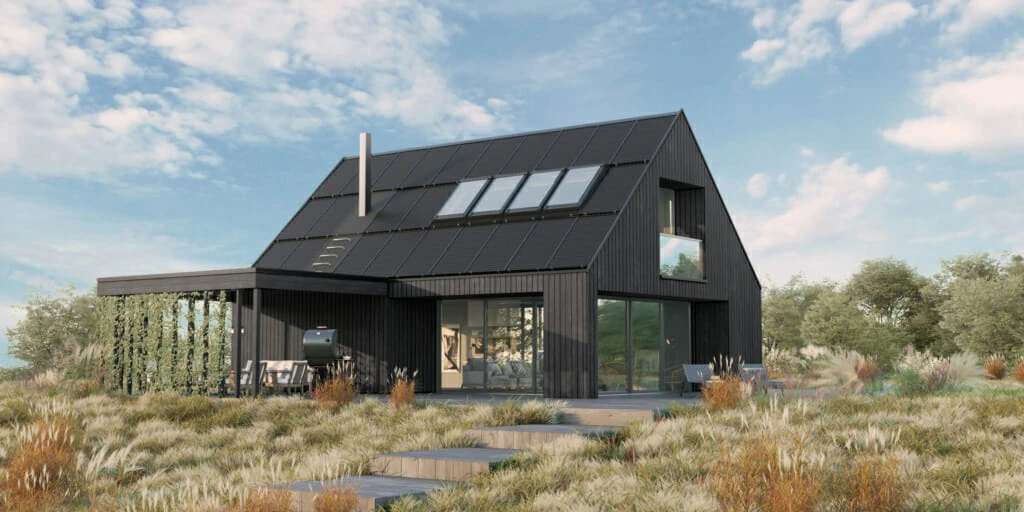
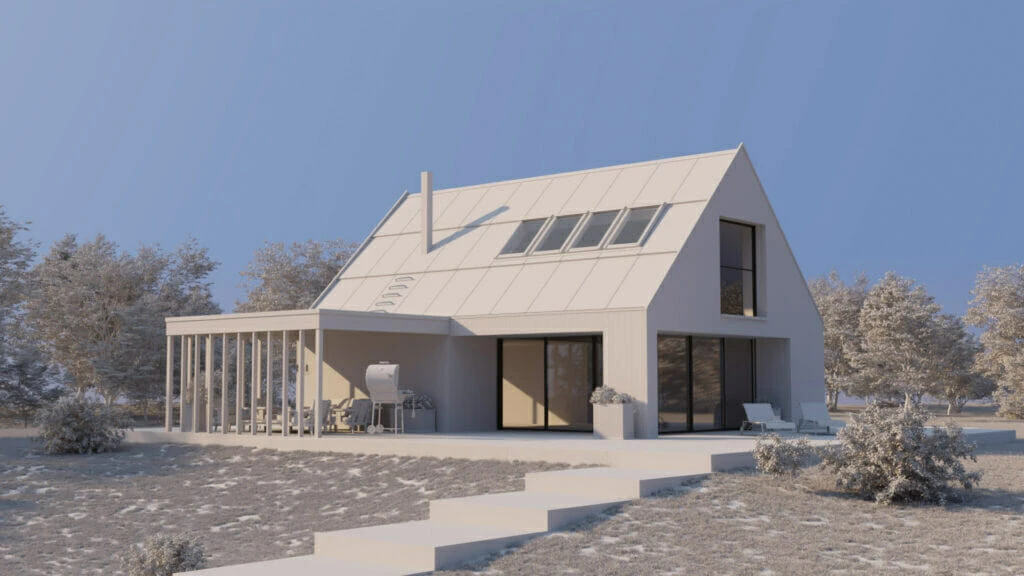
The greatest strength of 3D visualization is the ability to create an accurate picture of the end result, whereby an exact 3D model of the building is created on a computer. When creating a 3D model, the input is either the building's working drawings or a BIM model, which is increasingly used today for building construction. The 3D image is usually created in the early design phase for buildings, and changes to the project occur quite frequently. Since it is created on a computer, making these corrections is fast and inexpensive. Additionally, architects and developers have the opportunity to get an accurate understanding of alternative solutions and what the final result might actually look like.
Conveying strengths: 3D visualization allows you to create a picture of what the building would look like both inside and outside, as well as the building's surroundings in its real location. Images can be created from any angle to best showcase the project's strengths.
Creating an emotional connection with the viewer: For most people, buying a home is one of the biggest decisions in life, and most often it also involves loan obligations for decades. Therefore, the choice is considered carefully and people want to create an emotional connection with the property they are purchasing. However, when the property doesn't yet exist, it is very difficult to create this connection. With 3D images, it is possible to create emotion that allows the home buyer to imagine themselves as the owner of the property being built. Images can depict a family having dinner together or a safe playground in front of an apartment building, where children swing. Second, another strength of 3D is the ability to connect with potential clients through images. It is possible to add effects and details to the images that appeal to our client – selling real estate is often not just about selling space but also selling a lifestyle.
Opportunity to use as marketing material: Visuals capture attention better than any text. When selling real estate, marketing plays a very important role in generating client interest in contacting an agent. Compared to photographers and agents, 3D visualization is certainly one of the cheapest and fastest forms of content marketing. This allows marketers to be more flexible and direct more resources to other channels.
With 3D visualization, it is possible to create very different visuals, using static images, animations, and 360° panoramas. In the latter case, clients can discover the property themselves with just a few finger gestures. Additionally, it is possible to create visuals tailored for each channel. For example, static images work best for social media, a 360° panorama can be added to a website, and animation works well for both ads and television commercials.
Cost savings and speed: New developments are often sold without furniture, typically only with bathroom fixtures and sometimes kitchen furniture. Furnished properties sell 73% faster than unfurnished ones – pictures of empty apartments don't appeal to clients nearly as much as pictures of a furnished home. Creating 3D images of interiors with furnishings is certainly cheaper than furnishing and decorating even a single apartment, as this comes with both financial and time costs.

Source: Vunk
Search
Keywords
Most read articles
- Price per Square Meter of Apartments in Tallinn in 2025

- Apartment Market in Early 2026: Prices Rising, Transaction Activity Remains Modest

- Apartment Market in Early 2026: Prices Rise, Transaction Activity Remains Modest
- Estonian Apartment Prices and Market Expectations in 2025
- Notary Fee and State Fee – Who Pays and How Much?