When is the Right Time to Trim a Hedge?
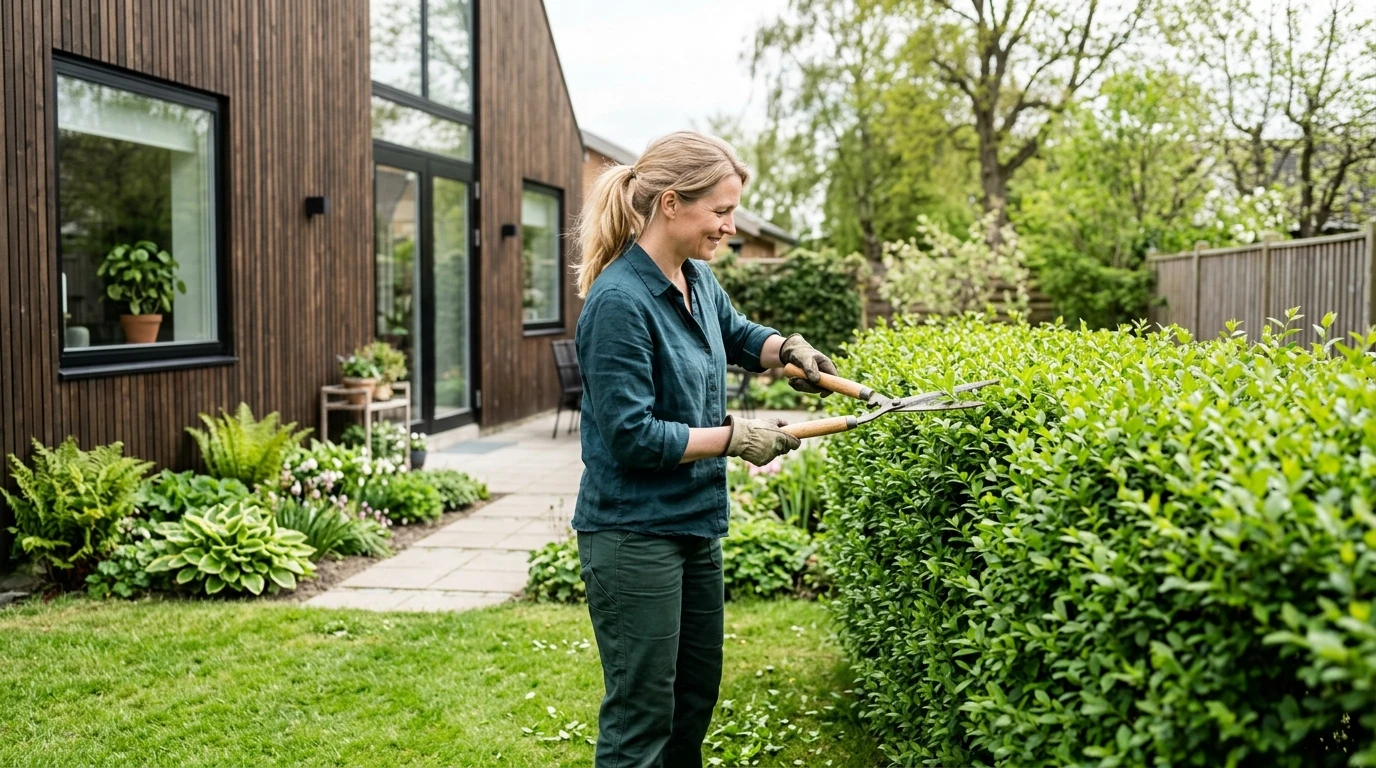
Have you ever wondered why your neighbor's hedge stays thick and green, while yours tends to thin out from the bottom or lose its growth momentum? Proper timing is critical in hedge maintenance, because pruning at the wrong time can suppress plant health and damage the aesthetic appearance of your garden for years to come.
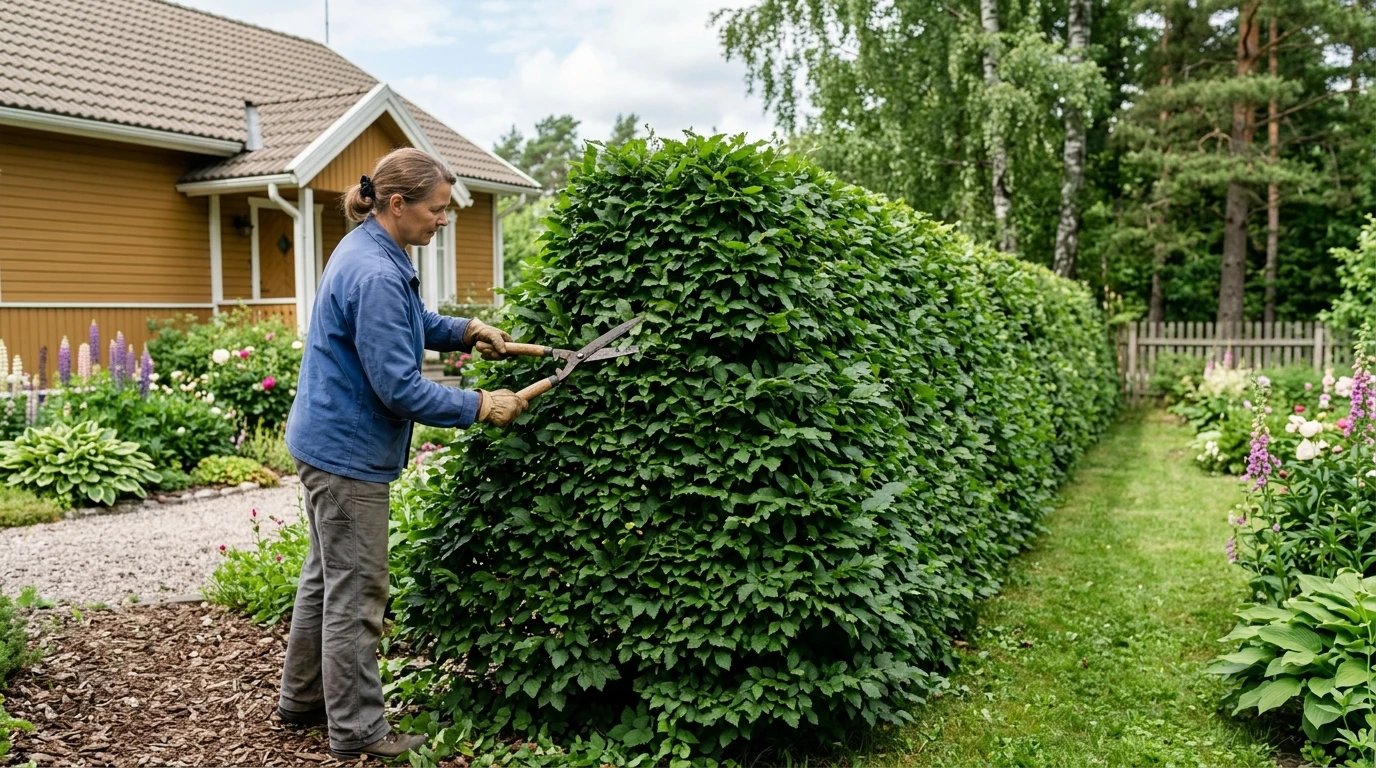
Well-maintained greenery is an important investment for a property owner, since beautiful shrubs are a valuable addition to your property and garden, which increases plot privacy and market value. When planning hedge trimming, you must first determine whether you have a deciduous or coniferous hedge, as their biological needs and growth cycles differ significantly. As a general rule, young, developing hedges require more frequent intervention, typically two to three times a year, to encourage branching and density. Older hedges with an established form can do excellently with one or two maintenance prunings during the season, provided the work is done at the right time.
For deciduous hedges, the best time for the first pruning is early spring, when the risk of night frosts has passed, but sap flow has not yet started in full force. This period often coincides with the time when other spring garden cleaning and preparation work is carried out to prepare the garden for a new growing season. If your hedge consists of species that bleed heavily when pruned, you should wait until summer and carry out the pruning from June to September. Another suitable time to maintain deciduous hedges is late summer after the end of the active growing period, which helps maintain the correct shape of the hedge until the next spring and prevents excessive overgrowth.
Coniferous hedges, such as arborvitae, spruces, and yews, require a slightly different approach and greater precision. For arborvitae hedge maintenance, it is recommended to choose mid-April or the second half of summer, specifically the end of July and the beginning of August. It is important to know that a coniferous hedge should not be pruned after August, as pruning too late does not allow new shoots to harden before winter. This can significantly reduce the plant's winter hardiness and cause serious damage in cold conditions. Yew is somewhat more forgiving in this regard, but even with this species, maintenance in August is considered the best time to ensure an even and dense growth surface for the next season.
In Estonia, you must also consider natural balance and nesting periods when trimming your hedge, to avoid disturbing birds. Although the law does not directly prohibit pruning a home garden hedge, according to Environmental Board guidelines, you must be especially careful during the period from April 15 to July 15, which is the most active nesting season for birds. Before picking up the shears, always carefully check the interior of the hedge to ensure there are no active nests, as the intentional destruction of birds and their eggs is prohibited. If you notice nesting activity, it is prudent to postpone pruning work to the second half of July, when the chicks have fledged and the danger to them has passed.
When shaping your hedge, it's worth following practical advice and keeping the hedge slightly wider at the bottom than at the top, in a gentle A-shape. This pruning method ensures that the lower branches receive sufficient sunlight and do not become thin and brown due to lack of light. Similarly to how wooden fence maintenance and repairs require proper technique to preserve the material, living fences also need the right shape to ensure their longevity. Remember that you should not remove more than one-third of the shoot length at a time, so as not to cause excessive stress to the plant, which could suppress its further development.
Timely and expert hedge maintenance prevents later problems, such as hidden defects in property condition or neighbor disputes over light and views. If you want to maintain your property value and stay informed about market movements, Kinnisvara24's statistics environment and transaction data provide you with detailed information and data for making informed decisions. A well-maintained garden and healthy hedge are the first things a potential buyer or passerby notices, creating a positive and trustworthy impression of the entire living space. Start with regular and informed hedge maintenance this season to ensure maximum attractiveness and long-term preservation of your property.
Search
Keywords
Most read articles
- Price per Square Meter of Apartments in Tallinn in 2025

- Apartment Market in Early 2026: Prices Rising, Transaction Activity Remains Modest

- Apartment Market in Early 2026: Prices Rise, Transaction Activity Remains Modest
- Estonian Apartment Prices and Market Expectations in 2025
- Notary Fee and State Fee – Who Pays and How Much?