Why is Replacing Ventilation Filters Especially Important in A-Energy Class Homes?

New developments have become increasingly energy-efficient. Today's A-energy class homes are built to be very airtight – quality windows, well-insulated walls, and thoughtful construction help keep heating costs low and ensure a comfortable indoor climate.
However, this has another side, as fresh air can no longer enter the home naturally like in older houses. Essentially, the entire home's air exchange occurs only through the ventilation system.
If ventilation doesn't work properly or filters become clogged, it quickly affects the entire home's indoor climate and people's well-being.
Why is ventilation especially important in new developments?
In older buildings, some air exchange occurred naturally – through cracks, windows, and building structures. In A-energy class homes, this additional air no longer comes in.
This means the ventilation system must work continuously and efficiently to ensure adequate air exchange. According to specialists, a home's indoor air should be exchanged approximately 2–4 times per hour to keep CO₂ levels, humidity, and air quality under control.
If air exchange becomes insufficient, people will quickly notice it:
Morning fatigue and feeling heavy
Headaches and dizziness
Poor sleep
Stuffy or heavy air
Higher amounts of dust and allergens in the home.
Many people don't know how to connect these symptoms to ventilation, especially in a new home where good indoor climate is automatically expected.
Spring and autumn are the hardest times for filters
In spring, ventilation systems are strained by pollen and street dust. In autumn, humidity, soot, and larger amounts of fine particles are added.
Therefore, it's recommended to change ventilation filters at least twice a year – in spring and autumn. In urban environments or areas with heavy traffic, more frequent replacement may be necessary. If filters become clogged, fresh air won't enter the home and the risk of moisture and mold increases.
Regular filter replacement helps:
maintain clean indoor air
reduce allergens and dust
keep energy consumption under control
extend the life of the ventilation device
ensure that your home is truly a pleasant place to be.
The most convenient solution is a standing filter order
Many homeowners quickly discover that regular ventilation filter replacement is important, but in practice it often gets forgotten. There's also the question of which filters exactly fit the device and when would be the right time to replace them.
For this reason, more and more people prefer a standing order for ventilation filters.
With a standing order, you get the right filters automatically at the right time delivered to a parcel locker and you don't have to remember:
when to change filters
what size or model filters fit your device
which filters were ordered last time.
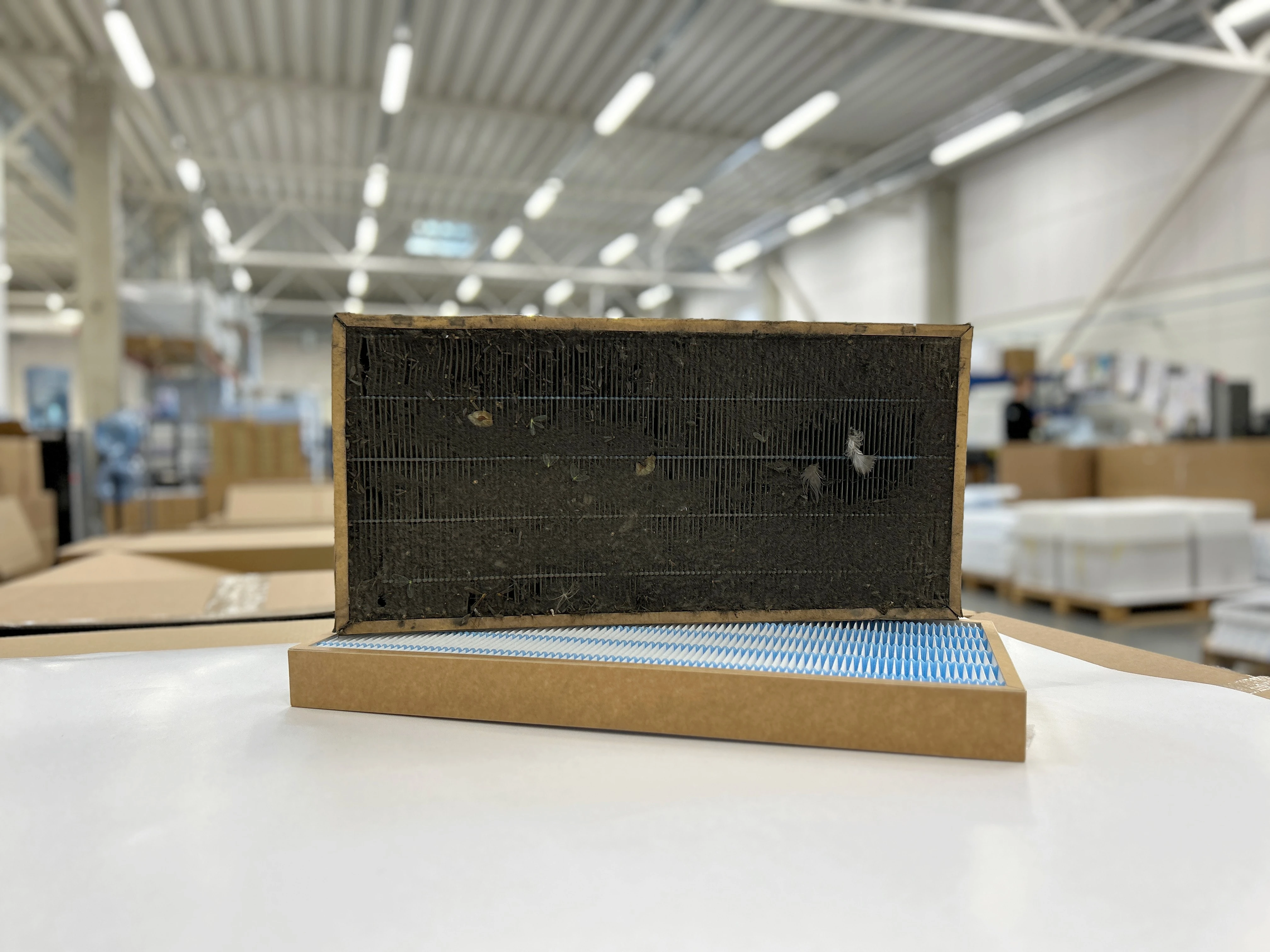
Photo: Dirty and clean filter
Additionally, standing order prices are up to 20% cheaper, and regular filter replacement becomes an easy habit rather than something that keeps getting postponed.
The most common choice is a standing order twice a year – in spring and autumn. For those in urban environments or allergy sufferers, filter replacement three times a year also works well to keep indoor air as clean as possible throughout the year.
In Estonia, local manufacturers also offer such solutions, for example Filter Plus, from whose e-shop kodufiltrid.ee you can conveniently order suitable filters to a parcel locker.
Search
Keywords
Most read articles
- Price per Square Meter of Apartments in Tallinn in 2025

- Apartment Market in Early 2026: Prices Rising, Transaction Activity Remains Modest

- Apartment Market in Early 2026: Prices Rise, Transaction Activity Remains Modest
- Estonian Apartment Prices and Market Expectations in 2025
- Notary Fee and State Fee – Who Pays and How Much?