What to Do When Neighbor's Smoke Spreads Into Your Apartment
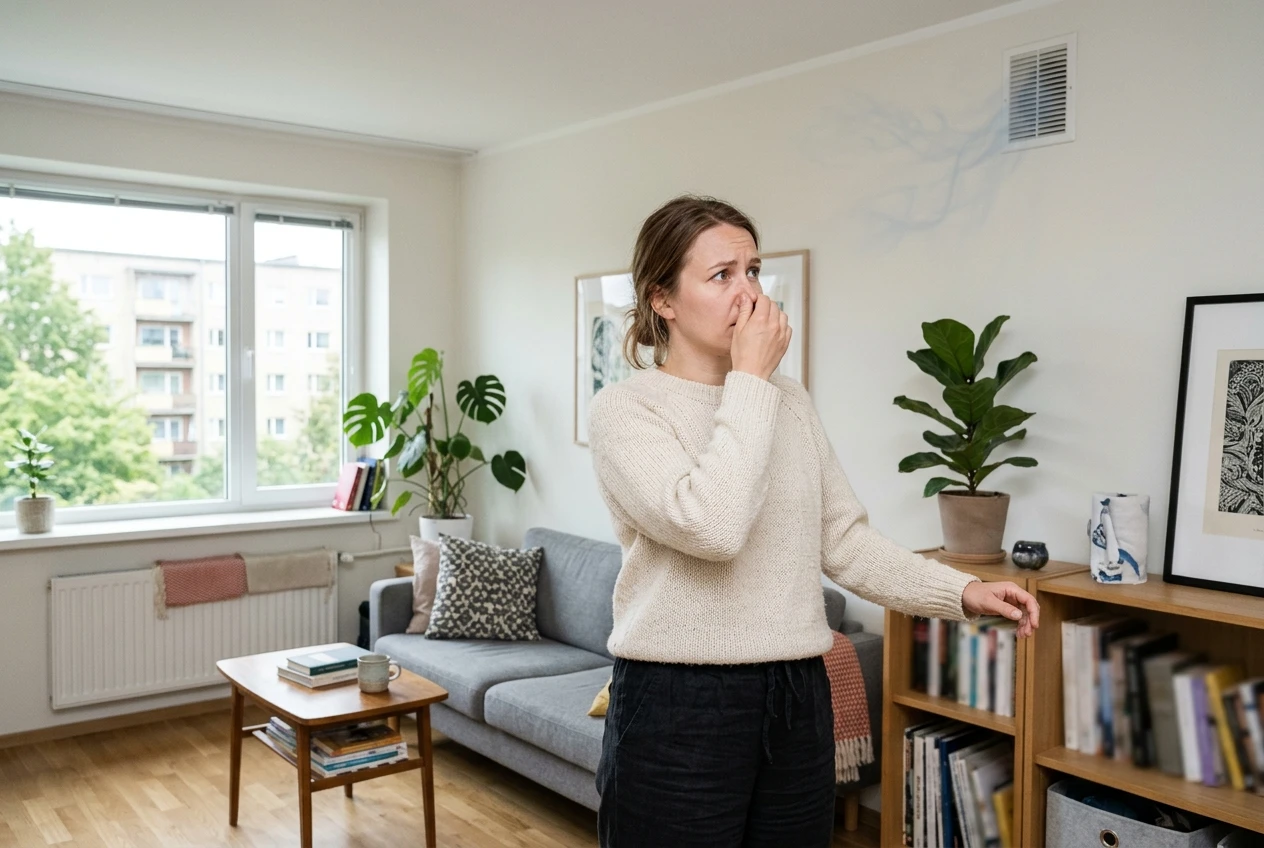
Do you constantly smell your neighbor's cigarette smoke in your kitchen or bathroom? Tobacco smoke in your home diminishes comfort and raises justified concerns about your family's health, but there are clear, legally correct, and technically effective solutions to escape this situation.
How tobacco smoke moves between apartments
In apartment buildings, air often travels along unexpected routes, and the specific smell of tobacco may not enter your home through an open window at all. A very common pathway is the ventilation shafts of apartment buildings, especially in older structures where natural exhaust can begin working in reverse due to changing weather conditions or pressure differences. If your neighbor turns on a powerful kitchen hood or bathroom forced exhaust, this creates overpressure in the shaft, which can push air along with odors into another apartment's exhaust openings.
Another frequent path for smoke movement lies in technical shafts and risers through which the building's water and sewage pipes run. If the pipe penetrations through floor slabs are not properly sealed, gaps are created through which warm air moves unobstructed between floors. Additionally, smoke can pass through installation openings behind electrical outlets or poorly sealed apartment exterior doors.
Tobacco smoke particles do not disappear simply by opening windows, using regular fans, or using simple air purifiers, because volatile compounds quickly deposit on textiles and building materials. Therefore, ensuring persistent freshness requires addressing the problem at its source and blocking the physical entry of smoke.
Friendly communication and keeping a smell diary
The first and often quickest solution lies in a neighborly conversation. Many people smoke in their bathrooms, near the stove, or by open windows out of ignorance and don't realize that the specific smell spreads through ventilation directly into neighbors' rooms. Explain the situation to your neighbor politely and describe which rooms the smoke reaches and at what times. Often, correcting habits or changing the smoking location is enough to restore home peace.
If the verbal conversation doesn't immediately yield results, it's wise to start keeping a systematic smell diary. Over the course of a few weeks, note exact dates, times, affected rooms, and the intensity and duration of the smell. Such a diary is invaluable evidence material in case the issue needs to be discussed later in the condominium association board or with specialists. Also ask other residents in your stairwell whether the problem bothers them, as a joint appeal from multiple households always carries more weight.

For a more thorough overview, read more about what to do if your neighbor smokes on the balcony, as smoke from outdoor areas often requires a different approach.
The condominium association's role and technical expertise
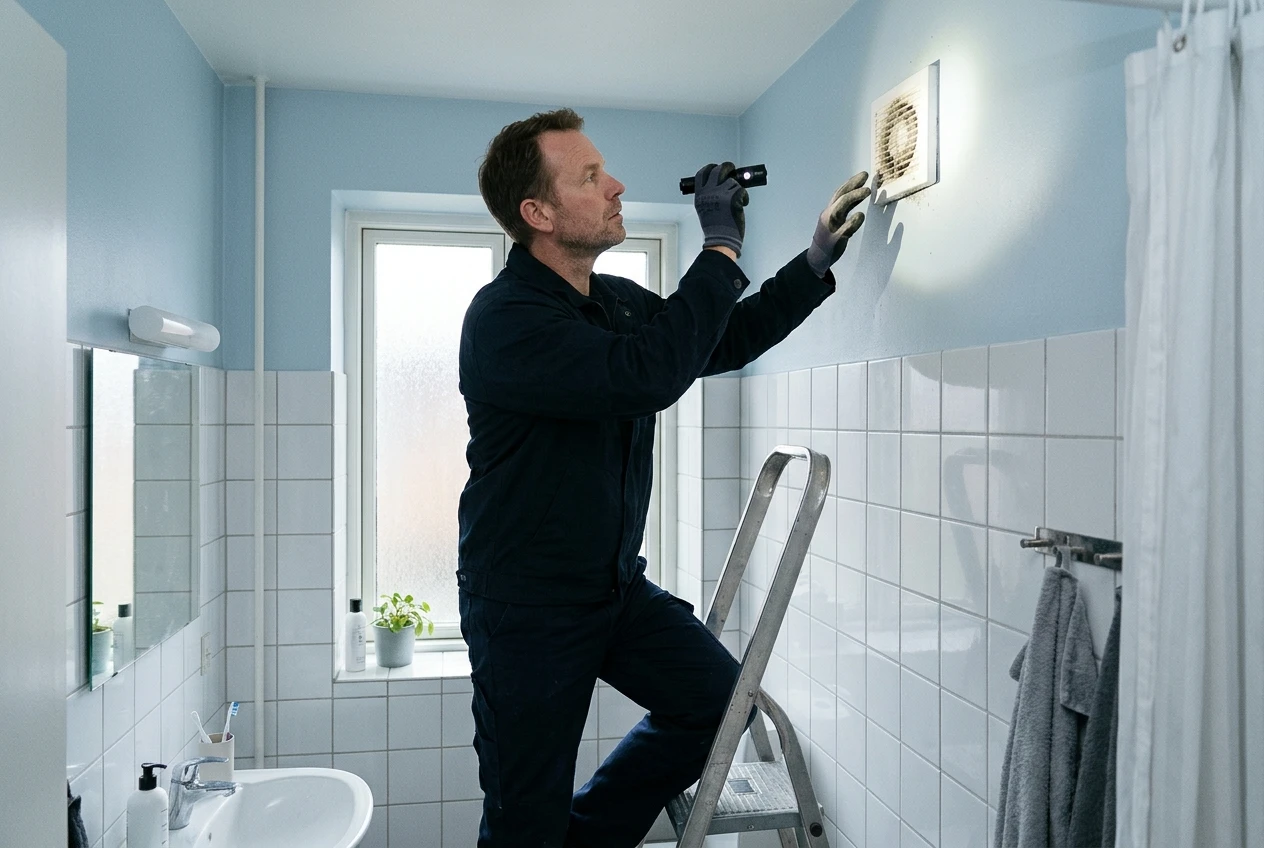
If tobacco smoke spreads through the building's shafts or the shared ventilation system, solving the situation falls within the condominium association's responsibility. Through the condominium association, owners exercise their rights and manage joint property. A specific written application should be submitted to the board along with an excerpt from the kept smell diary, requesting a technical inspection of the ventilation and risers to clarify the exact points where smoke enters and the necessary repair work.
The association's obligation is to ensure the functionality of technical systems, so the board cannot limit itself to merely recommending that the neighbors talk to each other. If necessary, the association or apartment owner can commission an independent ventilation expert or construction engineer to provide a written expert assessment. This document will document air movement directions, technical deficiencies, and provide guidance for system repairs. Sealing penetrations and equipping exhaust openings with mechanical backflow dampers can effectively prevent air from entering from neighbors.
Apartment owner's rights and laws
Estonia's legal framework sets clear rules to protect residents' health and well-being. The Tobacco Act prohibits smoking, including e-cigarettes and novel tobacco products, in common areas of apartment buildings, such as corridors, stairwells, and elevators. Compliance with these requirements in apartment building common areas is monitored by the local government's order protection unit. Resolving disputes between neighbors regarding odors does not fall within the Health Board's competence.
The Apartment Ownership and Condominium Association Act stipulates that an apartment owner must maintain their apartment and use joint property in a manner that does not exceed the limits of normal use relative to other owners. Tobacco smoke continuously entering another apartment's living spaces exceeds the effects of normal living activities and constitutes a violation of the duty of care arising from law.
According to the Law of Property, an owner has the right to demand elimination of the violation of their ownership rights and prevention of further disturbances if the impact spreading from another apartment significantly impairs the intended use of the living space. If it is a matter of long-term and repeated violations and friendly agreements do not yield results, the general meeting of apartment owners may vote in favor of submitting a demand for the alienation of the apartment of an owner who disregards their obligations.
Ensuring fresh indoor climate at home
Everyday well-being begins in a clean room where you can breathe freely and rest peacefully. Polite communication, fact-based smell documentation, and technical inspection conducted in cooperation with the condominium association help resolve most indoor air problems quickly and permanently.
If you're looking for new living space with compliant heat recovery ventilation and modern technical systems, explore Kinnisvara24's diverse apartment offerings and choose a pleasant, fresh, and comfortable home for yourself today.
Search
Keywords
Most read articles
- Price per Square Meter of Apartments in Tallinn in 2025

- Apartment Market in Early 2026: Prices Rising, Transaction Activity Remains Modest

- Apartment Market in Early 2026: Prices Rise, Transaction Activity Remains Modest
- Estonian Apartment Prices and Market Expectations in 2025

- Notary Fee and State Fee – Who Pays and How Much?