Larsen: Estonians' Belief in Homeownership Has Started to Waver
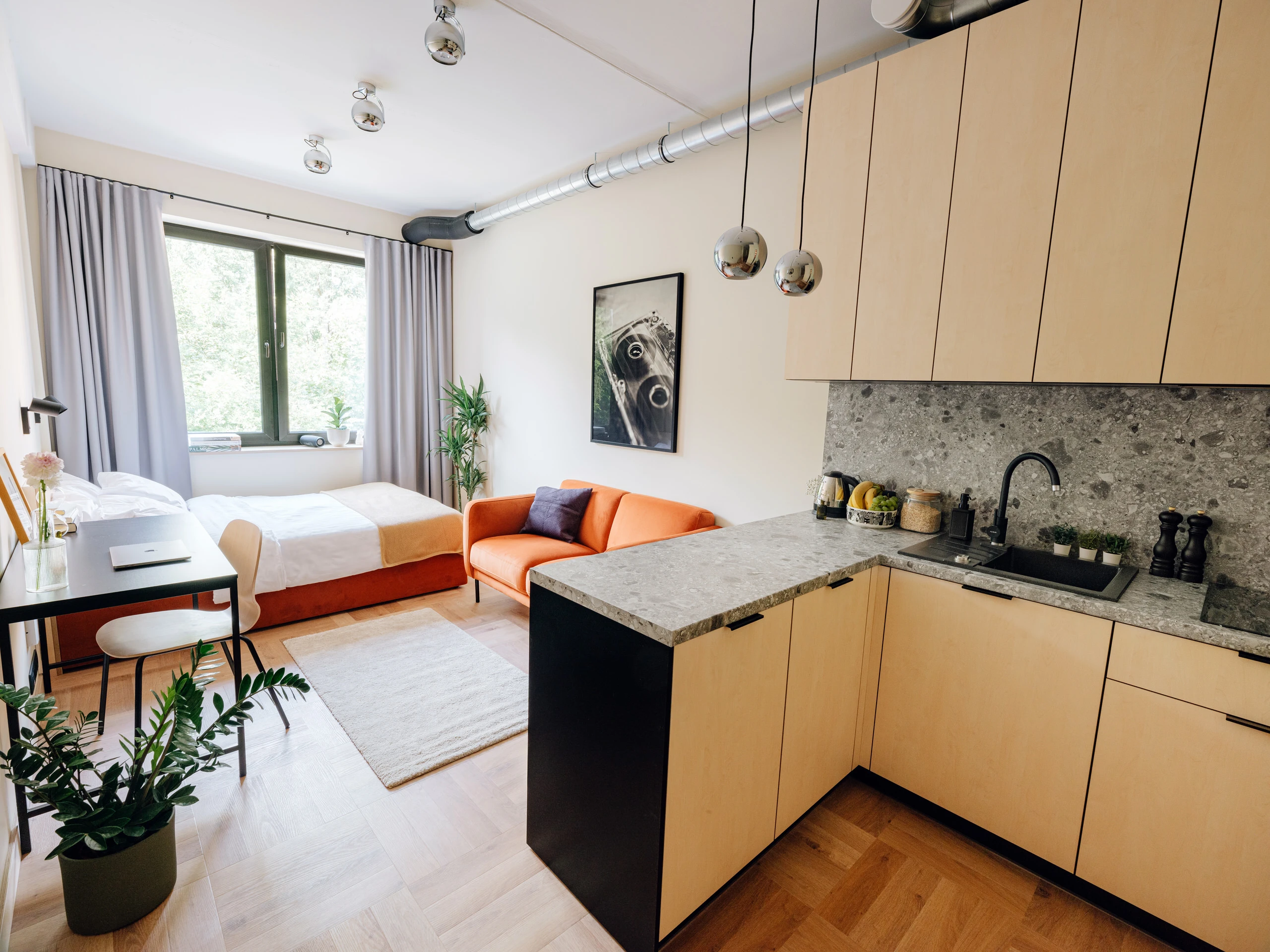
According to rental property owners, profitability in the rental market today depends primarily on the size of the portfolio and the landlord's willingness to meet tenants' expectations. However, there is optimism about the future, as the number of people in Estonia who consciously choose to forgo property ownership and opt for rental housing is growing.
According to Janek Busch, founder of Larsen, one of Estonia's largest accommodation companies, rental apartments currently make up approximately 20 percent of Tallinn's housing stock, which is a modest figure by European standards. "Estonians have long believed in buying property, but in European cities such as Helsinki, Berlin, or Warsaw, the volume of rental properties can reach half or more of the housing stock. We see that the same trend is reaching us, as young people starting independent lives highly value flexibility and freedom and do not want to commit themselves to long-term obligations. Additionally, the rapid growth in property prices has made renting a sensible alternative for many," explained Busch.
Busch considers the limited selection of rental properties to be a bottleneck in Estonia's rental market, as a large part of the rental stock is aimed primarily at meeting the needs of a single young person or childless couples. Compared to many other European cities, Estonia has had little professionally managed rental properties that would meet, for example, the needs of families or elderly people.
"Apparently, some families buy their homes not only out of a desire to own property, but also because the rental market does not offer them a professionally managed and reliable alternative. In other countries, rental properties suitable for families are widely available. In the future, the trend of larger rental properties may also reach Estonia," added Busch.
The share of elderly people in Estonia's rental market may also grow in the future. For example, elderly people for whom their own home has become too large, or who wish to move closer to their children or grandchildren while maintaining their independence, may enter the rental market.
Speaking from the perspective of a rental property developer, Busch pointed out that Tallinn's rental market is currently going through difficult times, and the low long-term rental rate is still not sufficiently attractive for investors.
"Recent years have seen stagnation in terms of prices on the rental market, and considering inflation, even a decline. It is possible to make a profit, but for this, the landlord must first have volume and secondly also flexibility in rental periods and pricing. This is exactly the path we have taken at Larsen, and it ensures strong financial results for us," he commented, adding that landlords should not expect the market to help their business model through natural price increases. "Our business model is built in such a way that we can continuously adapt our business to market demand and use the same building for both short-term and long-term accommodation depending on market conditions. We can offer hotel accommodation one time and long-term rentals another time in the same rental space. This is also the reason why we are developing a new building in the city center in the current market situation," explained Busch.
Larsen's portfolio includes a total of over 600 studio-style accommodation units with kitchenettes in Tallinn. By the end of this year, Larsen will complete a new lifestyle accommodation building with an innovative concept on Väike-Ameerika Street, which will increase the number of studios managed by Larsen to nearly 800. The investment in the new building will total over 12 million euros.
Search
Keywords
Most read articles
- Price per Square Meter of Apartments in Tallinn in 2025

- Apartment Market in Early 2026: Prices Rising, Transaction Activity Remains Modest

- Apartment Market in Early 2026: Prices Rise, Transaction Activity Remains Modest
- Estonian Apartment Prices and Market Expectations in 2025

- Notary Fee and State Fee – Who Pays and How Much?