How to Get Rid of Spanish Slugs? Effective Tips for Garden Protection
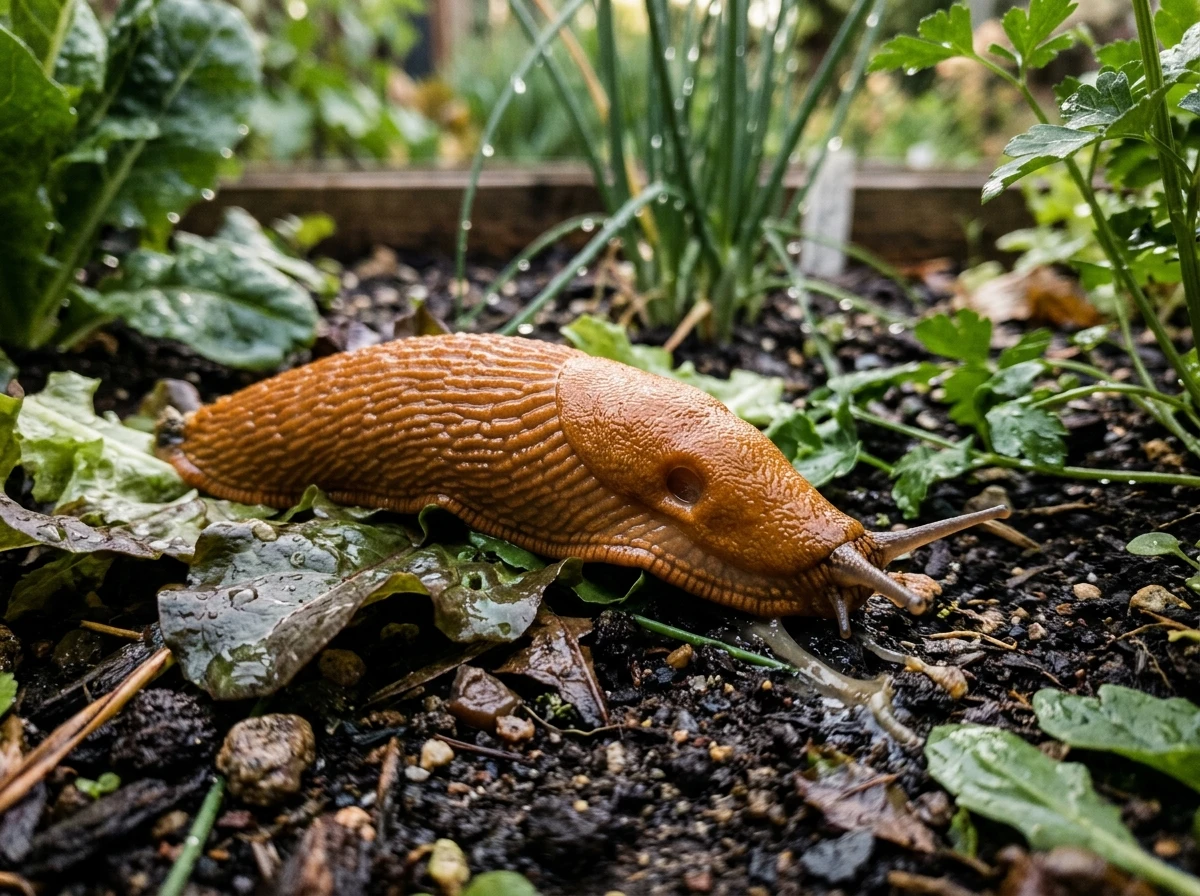
Have Spanish slugs invaded your garden? These invasive pests can quickly destroy your entire summer harvest and ornamental gardens, but with consistent action, you can save your plants and keep your home garden healthy and inviting throughout the entire season.
Identifying Spanish slugs is the first and most important step toward successful control, as this species is often significantly larger and more aggressive than our local slugs. According to the Environmental Board's guidelines, these unwanted guests are typically orange, brown, or dirty yellow in color, have a characteristic bumpy back, and a clearly visible breathing pore on the right side of their mantle. You should keep in mind that they are primarily nocturnal and appear in large numbers especially after rain or in late evening, when air humidity is optimal for their movement.
Effective prevention work begins with general garden maintenance, as slugs prefer damp and shaded hiding places such as brush piles, board stacks, and tall grass. Thorough spring garden cleaning helps remove winter debris and reduce places where slugs can hide their eggs. When you purchase new plants, always check the soil balls and pots to avoid accidentally introducing slugs or their eggs to your plot, keeping new seedlings in quarantine for a few weeks if necessary.
Physical barriers provide one of the most reliable protections for your most valuable garden beds. You can create protection zones by sprinkling dry sand, fine gravel, or crushed eggshells around the bed, making movement uncomfortable for slugs. Even more professional solutions are offered by copper strips at least 10 centimeters wide or special slug barriers that slugs are unwilling to cross. If you're planning a greenhouse installation, it's worth thinking through foundation barriers from the beginning to ensure a safe growing environment for your cucumber and tomato plants.

Homemade traps are a great way to limit their numbers without using toxic chemicals. Beer traps are widely used, where liquid poured into buried containers attracts slugs, but simple hideouts work just as well. Place old boards or melon rinds in the garden in the evening, and by morning the slugs will have gathered underneath, making collection quick and easy. Consistency is critical especially when growing cucumbers, as juicy cucumber leaves are one of these pests' favorite foods.
Collected Spanish slugs must be destroyed quickly and safely, with pouring boiling water being the most effective method. Avoid using salt or vinegar directly in the beds, as these substances can irreversibly damage the soil microflora and your plants. Also pay careful attention to your compost bin, as the warm and moist environment promotes slug reproduction. Conscious composting requires regular inspection to remove hidden individuals and egg clusters before they spread to your garden.
Since Spanish slugs move freely across property boundaries, the most effective strategy is cooperation with your neighbors. Joint action and supporting garden biodiversity help keep pest populations under control in the long term. Different shrubs provide habitat for natural enemies like hedgehogs and toads, who are important allies for the gardener. Consistent action ensures the preservation of your property's value and provides joy from a bountiful harvest.

A well-maintained and pest-free garden is the heart of every home, providing peace and joy in every season. If you dream of a larger garden or a new summer cottage where you can put your gardening skills to the test, then explore our fresh offers. On the Kinnisvara24 portal, you will find the best house sales listings, a wide selection of summer cottages in Harjumaa, and promising residential land offers throughout Estonia.
Search
Keywords
Most read articles
- Price per Square Meter of Apartments in Tallinn in 2025

- Apartment Market in Early 2026: Prices Rising, Transaction Activity Remains Modest

- Apartment Market in Early 2026: Prices Rise, Transaction Activity Remains Modest
- Estonian Apartment Prices and Market Expectations in 2025

- Notary Fee and State Fee – Who Pays and How Much?