How to Handle Neighbors' Noise Disturbing Your Peace at Home
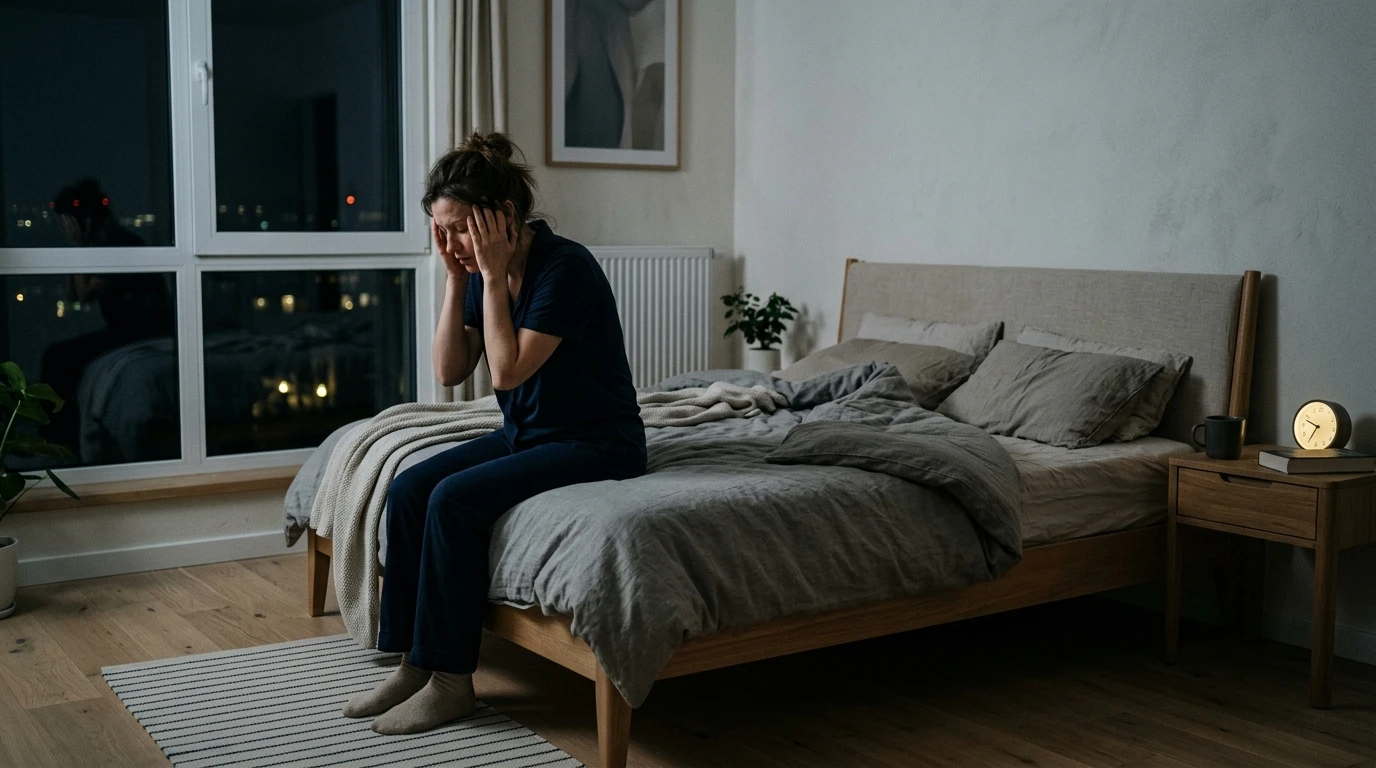
Have you ever been forced to listen to your neighbor's music in the middle of the night instead of sleeping? Home silence is an invaluable value, but isolated noisy moments can quickly ruin your well-being and sleep.
It's always worth starting to solve the problem with a peaceful and friendly conversation. Often, neighbors may not even realize that their activities can be heard through the walls, and a polite notice can resolve the issue without creating tension. However, if conversation is not enough, it is important to know your rights, which are based on Estonian legislation. The Apartment Ownership and Apartment Association Act stipulates that an apartment owner must refrain from activities whose impact on other residents exceeds the limits of normal use. You have the right to demand that the co-owned property be used in accordance with the laws and the apartment association's internal regulations.
In Estonia, public order and night rest are regulated by the Public Order Act, which sets specific time frames for noise. On weekdays, night rest applies from 22:00 to 6:00, and on the night before a day off from 00:00 to 7:00. During these times, creating continuous or repeated disturbing noise is prohibited, and in case of violations, the police have the right to intervene. Although there are no numerical limit standards for household noise during the day, residents' activities must remain within the limits of reasonableness. If the noise created by a neighbor exceeds the tolerance threshold of an average reasonable person, it is considered a violation for which a fine can be imposed under the Penal Code.
In case of repeated disturbance, it is recommended to start documenting incidents. Note the times, the nature of the noise, and if possible, make audio recordings, as this is important evidence when addressing the apartment association's management. The association is obliged to monitor compliance with the house's internal regulations and issue official warnings to the violator. If the neighbor consistently ignores notices, apartment owners may, as an extreme measure, demand the alienation of the apartment property if cohabitation with the violator has become completely intolerable.
If you live in an apartment as a tenant, it is worth first informing the apartment owner, i.e., the landlord, about the problems. The landlord generally has greater opportunities and responsibility in communicating with the apartment association or neighbors and in finding solutions if necessary. Additionally, according to the law, the apartment owner is responsible for maintenance fund payments, which is why they have a direct interest in maintaining good relations with the apartment association and ensuring that any noise-related problems are resolved quickly and reasonably.
Sometimes the cause of noise may not be in neighbors, but in the building's poor sound insulation. In such cases, it is worth exploring options for improving sound insulation, such as installing acoustic panels or updating seals. Such improvements are directly related to the benefits resulting from general improvement of home comfort, providing a quieter and higher quality living environment. However, if problems persist and neighbors continue to disrupt your well-being, finding a new home may be the best solution.

Do not tolerate a situation that damages your health and prevents you from getting rest. On the Kinnisvara24 portal, thousands of apartment sales listings are available that will help you find a home in a quieter location. Our modern filtering system and comprehensive statistics environment will support you in finding a new and peaceful home so you can enjoy quality living. Explore fresh offers and take a step toward a quieter future today.
Search
Keywords
Most read articles
- Price per Square Meter of Apartments in Tallinn in 2025

- Apartment Market in Early 2026: Prices Rising, Transaction Activity Remains Modest

- Apartment Market in Early 2026: Prices Rise, Transaction Activity Remains Modest
- Estonian Apartment Prices and Market Expectations in 2025

- Notary Fee and State Fee – Who Pays and How Much?