Spring Roof and Gutter Maintenance
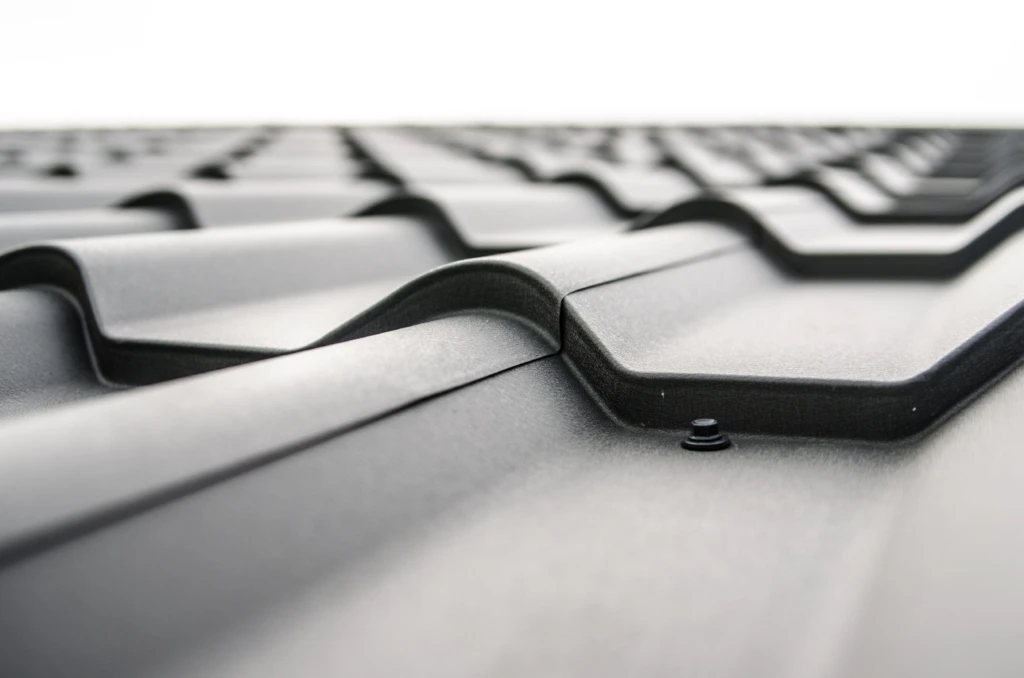
To ensure your roof has a long lifespan, its condition should be checked regularly. Ideally, this should be done at least twice a year (in spring and autumn) through visual inspection. Along with this, you should familiarize yourself with the condition of the rainwater systems, as most dirt and debris accumulates there. While a quality roof surface can rely on rainwater to clean most of it away, precipitation still collects in gutters and remains stuck there.
There are several ways to clean gutters
In longer gutters, you may find hundreds of kilograms of humus, needles, leaves, etc. Such weight is dangerous to gutter fasteners, and in winter conditions, gutters clogged and filled with water can crack from freezing.
There are several ways to clean gutters. The simplest option is to manually remove the debris. For lower buildings and private homes, you can also use a special Kärcher gutter cleaning system, which moves through the gutters using water pressure and washes out excess debris from them.
To clean gutter downspouts, you can use, for example, a drain cleaning cable, which can remove blockages from places where your hand can no longer reach. When using a cable, you should be careful not to damage heat cables installed in the gutters.
How to wash a roof?
If there is a need for roof cleaning, lighter washing can be done using a pressure washer and a soft brush. When using a pressure washer, you must be extremely careful not to damage the roof surface and its paint coating. Work should be performed at low pressure, which should not exceed 50 bar. In case of heavier soiling, you can also use special ecological soaking agents, which should be applied to the roof with a sprayer before washing, but in most cases a pressure washer alone is sufficient.
The final touch in roof maintenance
After pressure washing and gutter cleaning, a moss biocide should be applied to the roof, which slows down the formation of new moss. It is also important to periodically renew the roof's paint coating, as it protects roofing materials from harsh weather conditions and UV rays.
Safety first!
With any work at heights, you must first start with work safety. Performing such work is high-risk, and all movements must be well thought out. The use of safety equipment, even for the lowest buildings, is absolutely mandatory.
If you lack the skills and feel like you can't manage, then the safest and most rational way to perform such work is to order the service from professionals. This saves a lot of time, stress, and in the long run, a lot of money as well.
Take care of that roof that protects your home!
Search
Keywords
Most read articles
- Price per Square Meter of Apartments in Tallinn in 2025

- Apartment Market in Early 2026: Prices Rising, Transaction Activity Remains Modest

- Apartment Market in Early 2026: Prices Rise, Transaction Activity Remains Modest
- Estonian Apartment Prices and Market Expectations in 2025

- Notary Fee and State Fee – Who Pays and How Much?