Should You Renovate or Build a New House?
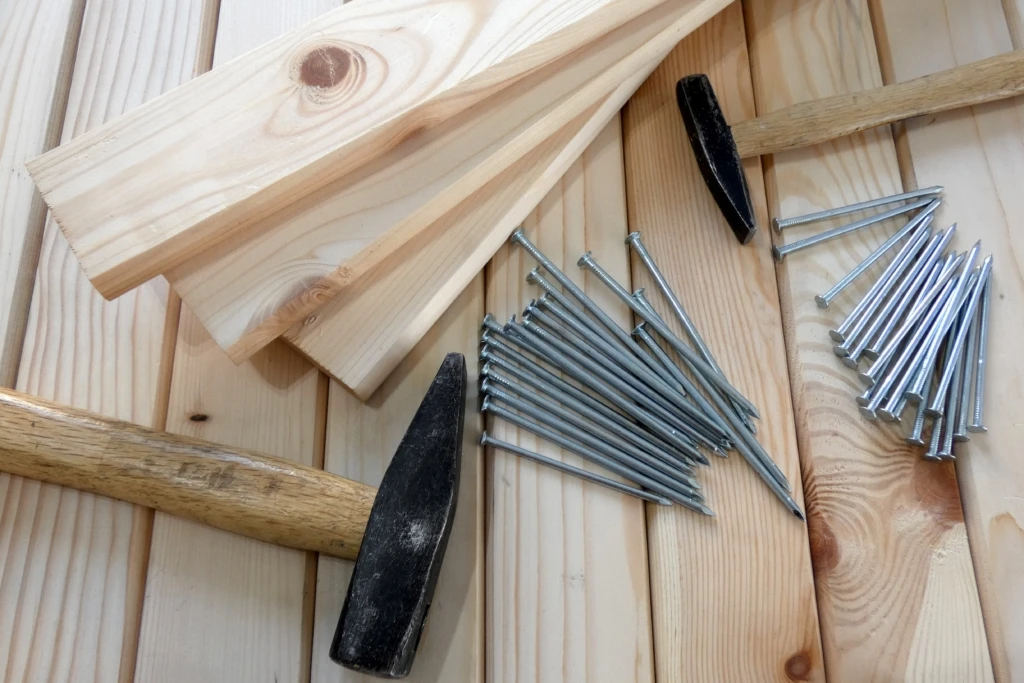
Many people who have purchased or inherited a time-worn building have sought an answer to the question of whether it is worth starting to renovate an old house or whether it would be more sensible to demolish it and build a new one instead.
Which one to prefer then?
It is difficult to give a single answer, because every old house is different and before making a decision, it is necessary to get as good an overview as possible of its condition.
It may seem that in any case it would be more sensible to demolish an old building and build a new one, but this may not always be the best choice. If an old building was built with quality in its time and its basic structures are strong, the roof keeps out water and moisture has not damaged the building, the foundation is intact and strong, then renovation can be significantly cheaper than building new.
Renovation can also be done gradually and this helps to spread expenses over a longer period of time. For example, external cladding or roofing can be replaced even while living in the house.
Renovation is worth seriously considering for historical buildings or emotionally valuable buildings, such as an ancestor's home. In an environmentally valuable area, renovation may be the only permitted option. New homeowners who value the scent of history and the character of old houses and who have the skills and time to do construction and renovation work themselves also lean towards renovation. So if it is a valuable, old-master-built quality building that has been well preserved and whose size and spatial solutions are suitable, then it is worth considering renovation, especially if you have the skills and interest to deal with it.
What are the factors that prevent renovation?
However, if the basic structures of an old house are in poor condition, i.e. roof beams and rafters are rotten, the roof leaks and water has been damaging the building for years, the foundation has settled and log walls are largely rotten, then it probably makes no sense to throw your time and money into it. Especially if the building has neither historical nor strong emotional value. When renovating an old house, it is almost a rule that unpleasant surprises emerge during the work and the time and money initially planned for the work grow much larger. It is impossible to notice all damage at first glance, and if, for example, it turns out that structures need to be partially replaced, renovation can end up being more expensive than building a new house.
Another disadvantage of an old house is its non-compliance with modern requirements, for example, wet rooms are not built out and it is difficult to find a suitable place for them, often all rooms are through-rooms.
What are the advantages of a new house?
When planning to build a new house, you need to find a suitable plot, connect to the electricity network, water and sewage connections, apply for planning conditions, order a sketch, preliminary and main project, apply for a building permit. For this reason, many prefer to buy a plot with an old house and demolish the latter. However, it must be taken into account that demolishing an old house also requires time and money.
Building a new structure certainly takes less time today than renovating an old one, and moreover, it can ultimately be cheaper. A great plus of new construction is that a home can be designed to meet exactly the needs and wishes of your family. A new house can be built energy-efficient, according to modern building standards, using modern materials and technical solutions, and with good space planning.
So the answer to the question of whether to build or renovate must come considering the specific building, its condition, and the owner's wishes.
View real estate advertisements HERE
Article source: Arco Vara
Search
Keywords
Most read articles
- Price per Square Meter of Apartments in Tallinn in 2025

- Apartment Market in Early 2026: Prices Rising, Transaction Activity Remains Modest

- Apartment Market in Early 2026: Prices Rise, Transaction Activity Remains Modest
- Estonian Apartment Prices and Market Expectations in 2025

- Notary Fee and State Fee – Who Pays and How Much?