How to Remove Stains from a Wall Without Damaging the Paint
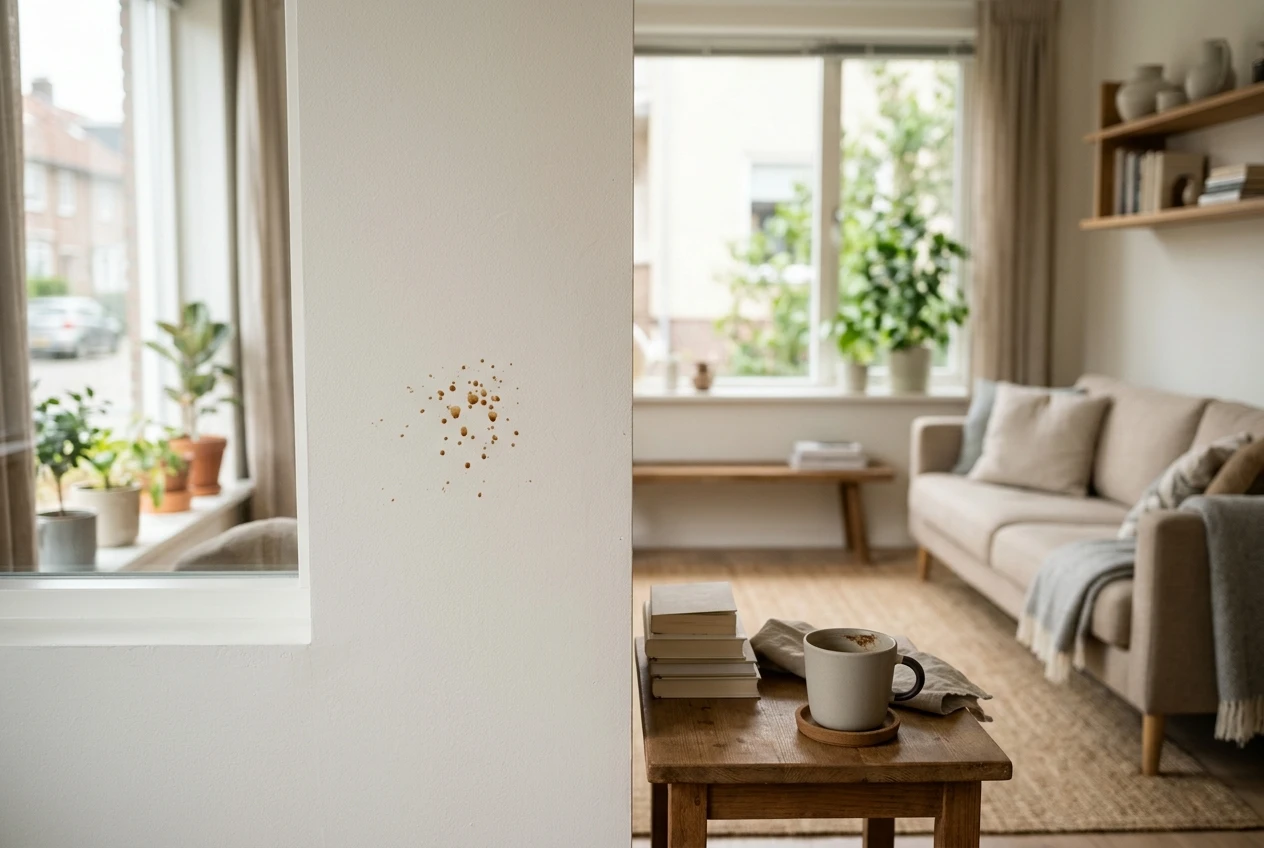
Did an unexpected coffee splash, greasy fingerprint, or pencil mark appear on your wall? Most stubborn stains can be successfully removed without damaging the wall finish if you choose the right cleaning method and avoid excessive pressure and harsh chemicals.
Knowing the paint type determines the cleaning method
Before reaching for a brush or cloth, it's worth determining what type of paint covers your wall. Shinier finishes like semi-matte, silk-matte, and glossy paint tolerate washing quite well, as a more durable layer forms on their surface. In contrast, flat latex paints are considerably more sensitive to rubbing. Vigorous scrubbing can rub the paint pigment off the matte surface or create an uneven shiny spot on it. If the wall has been freshly painted, you should definitely wait at least two weeks before cleaning with water and soap to allow the paint layer to fully dry and harden.
The golden rule of safe cleaning is to always test your chosen method first in a hidden spot, such as along the baseboard or behind a door. Apply the cleaning solution to a small test area and let it dry completely. Only tackle the visible stain once the paint color remains vibrant and no water marks appear on the wall. You can find a more comprehensive overview of surface characteristics in our practical guide, which teaches how to remove stains and scratches from walls while protecting the surfaces.
Removing common stains step by step
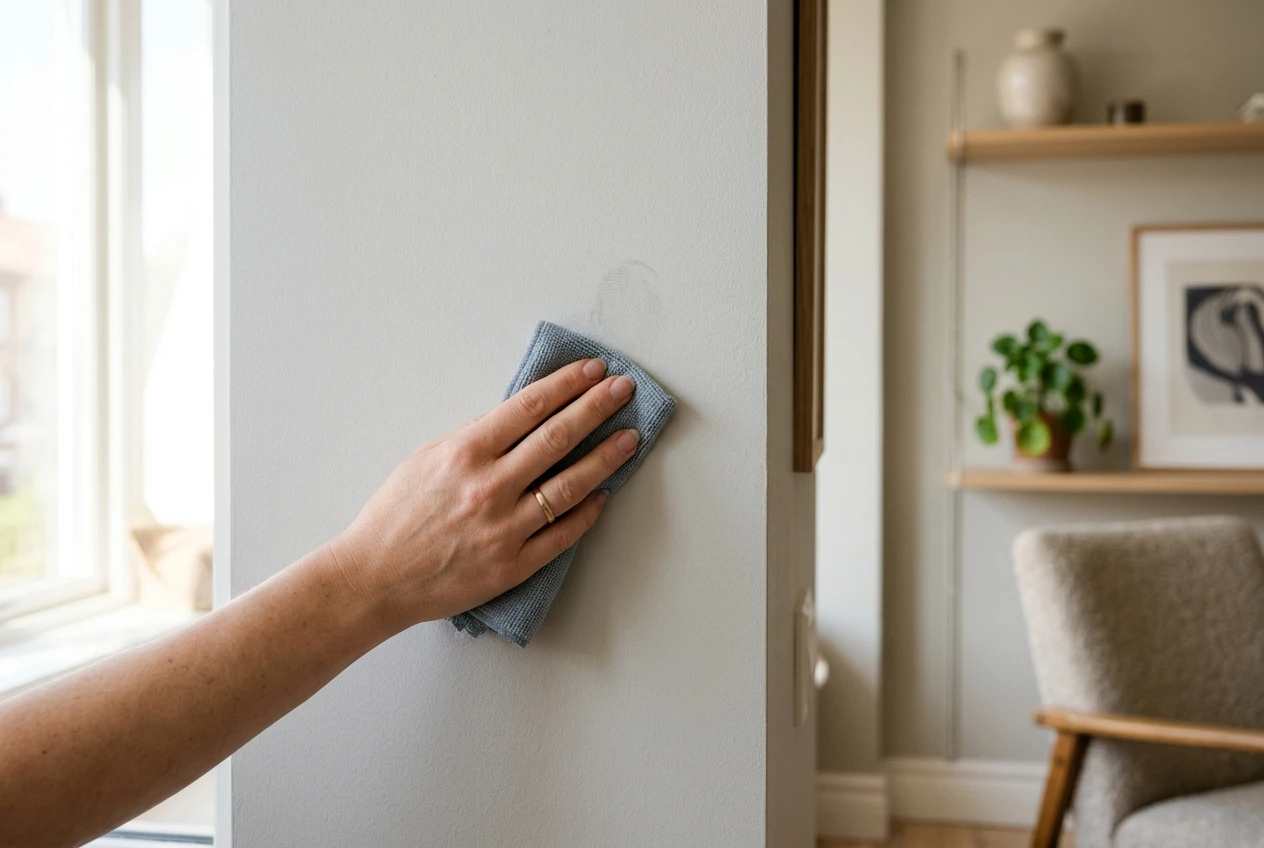
To remove greasy fingerprints and food splatters, warm water and a few drops of gentle dishwashing liquid are usually sufficient. Dip a soft and non-abrasive cloth or microfiber cloth in soapy water, wring it out carefully until almost dry, and dab the soiled area with gentle movements. If the stain doesn't disappear immediately, instead of strong scrubbing, try adding a bit more cleaning product to the solution. On matte walls, always prefer short and gentle dabbing motions to rubbing back and forth. After cleaning, dab the spot with a cloth moistened in clean water and immediately dry the surface with a soft and absorbent towel.
With coffee and tea splatters, quick action is key, as tannins are absorbed into the paint layer quickly. Dab the fresh splash immediately with dry paper towels and then clean the area with dilute soapy water. For permanent marker or felt-tip pen marks on glossier paint finishes, you can try applying isopropyl alcohol to a microfiber cloth. On matte walls, cleaning with alcohol requires special care, as the solvent can damage the finish and leave a light mark.
Tools and techniques to definitely avoid on painted walls
Many common household chemicals do more damage than good to painted walls. Avoid rough kitchen brushes, abrasive scouring pastes, and excessive pressure with melamine foam, as these sand the paint layer like sandpaper. Likewise, ammonia-based products, universal glass cleaners, and strong household sprays are not suitable for painted walls, as the solvents in their composition can break down the binders in water-based paint. When cleaning, always ensure water doesn't run down the wall, as drying water streaks leave ugly lines on the paint.
Sometimes during cleaning, it becomes clear that the problem isn't just surface soiling but a deeper chip or even drywall damage. In such cases, washing alone won't suffice, and the surface will need filling and a new coat of paint. If you notice a more serious hole or crack on your wall, check out the step-by-step instructions on how to repair a hole in a wall easily and with readily available tools.
Removing mold and controlling humidity
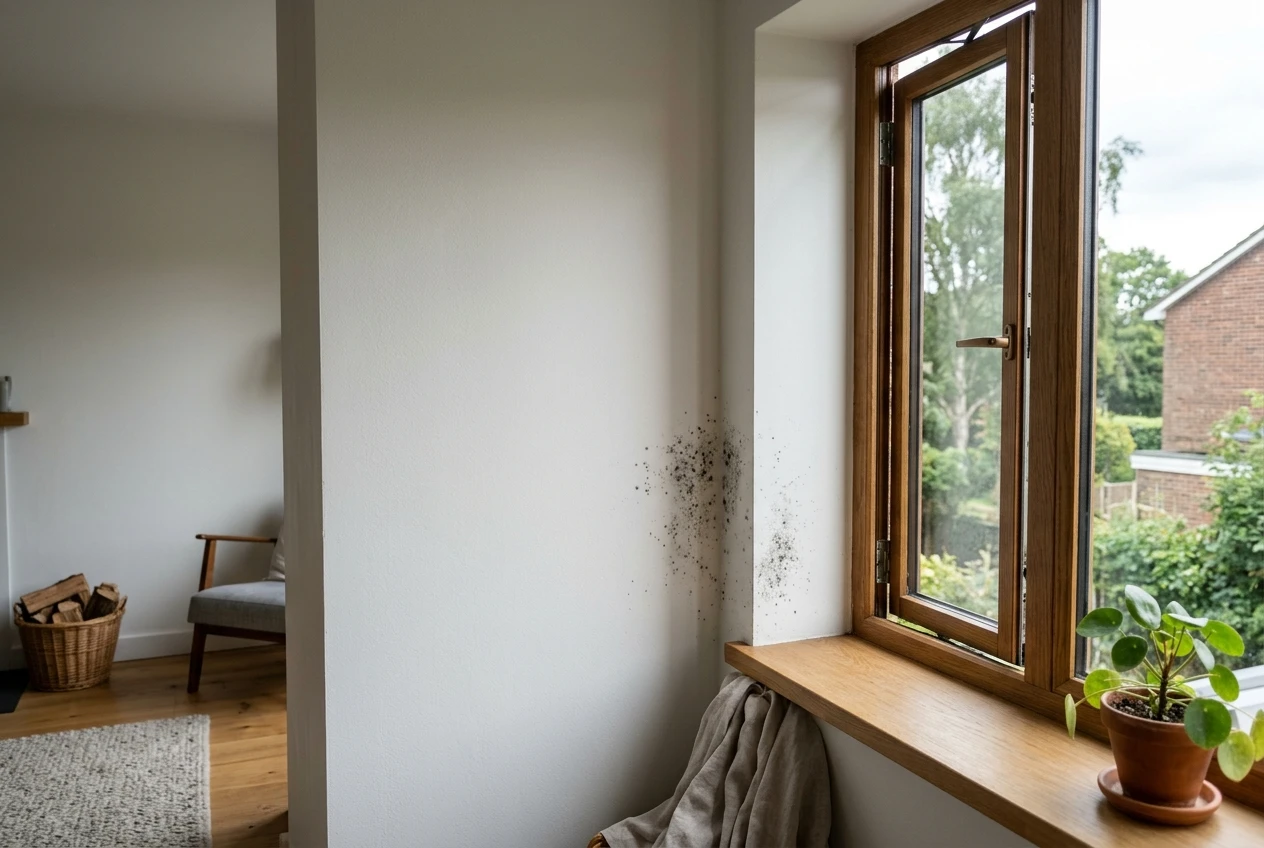
In high-humidity rooms or poorly ventilated corners, dark mold spots can develop and should never simply be covered with a fresh coat of paint. Small mold damage, less than one square meter in area, can generally be cleaned with regular water and mild detergent. When cleaning, appropriate protective equipment should be used and the surface should be carefully dried immediately after washing. People with asthma, allergies, or respiratory diseases are advised to leave mold removal to others or professionals. After cleaning, it's important to eliminate the source of excess moisture, improve room ventilation, and maintain the relative air humidity in living spaces between 30–50% to reduce the risk of mold returning.
A well-maintained home retains its value
Keeping walls clean and intact ensures an aesthetic and fresh living environment throughout the year. Regular maintenance, with the best time being a thorough spring cleaning, prevents dirt from seeping deep into the surface and significantly extends the life of the paint coating. When living in a rental, the condition of the walls should always be documented with photos both when signing and ending the rental agreement, as a clear overview helps avoid disputes between normal wear and actual damage.
The right techniques, light pressure, and gentle cleaning products will keep your walls fresh for years to come. Once you've put your home in order and wish to take new steps on the real estate market, Kinnisvara24 offers a convenient, modern, and rapidly growing environment for buying, selling, or renting real estate. Explore fresh listings and add your listing to our portal today.
Search
Keywords
Most read articles
- Price per Square Meter of Apartments in Tallinn in 2025

- Apartment Market in Early 2026: Prices Rising, Transaction Activity Remains Modest

- Apartment Market in Early 2026: Prices Rise, Transaction Activity Remains Modest
- Estonian Apartment Prices and Market Expectations in 2025

- Notary Fee and State Fee – Who Pays and How Much?