How to Remove Pet Urine Odor from Floors
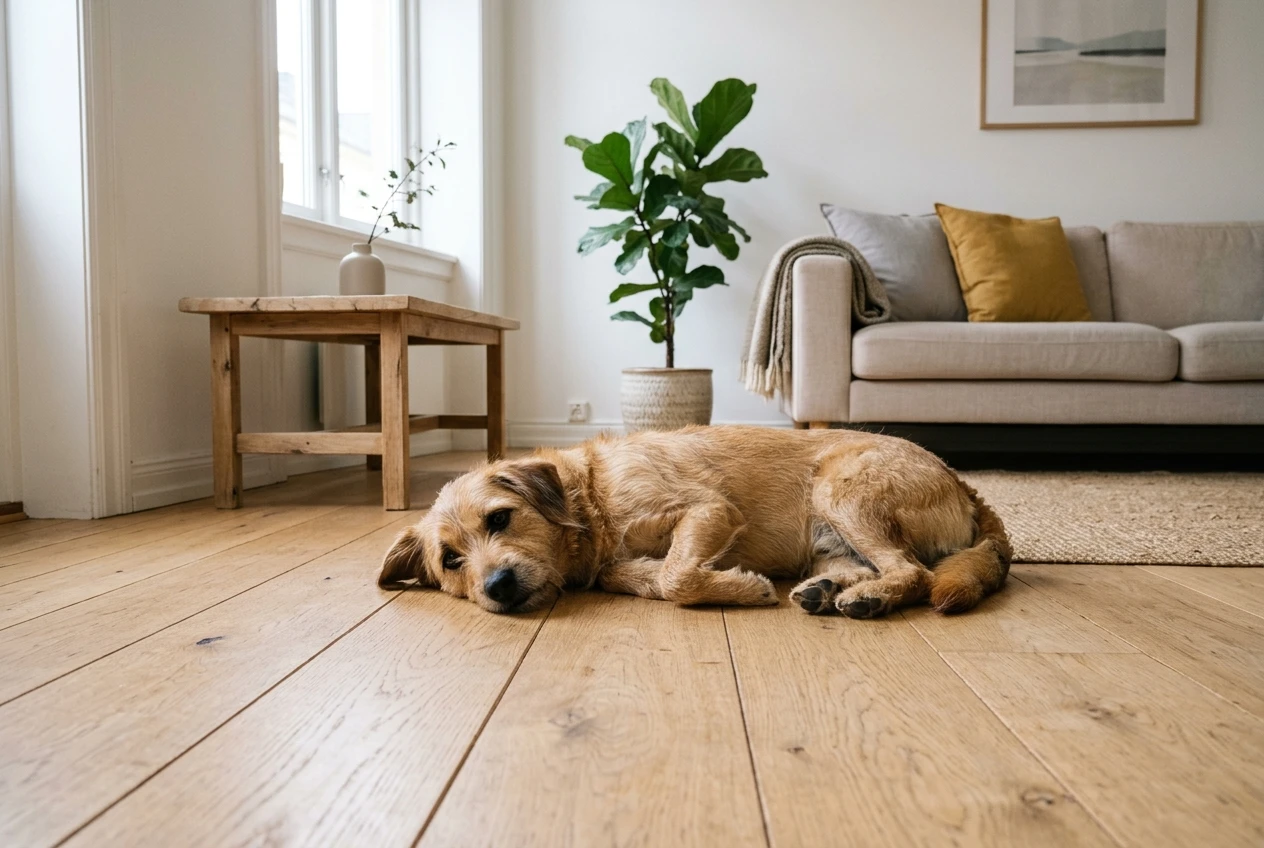
Have you ever entered a room and noticed a stubborn smell that doesn't go away even after regular floor cleaning? With the right techniques and suitable products, you can permanently remove unpleasant pet urine odor and ensure lasting cleanliness and freshness in your home.
Why regular floor cleaning doesn't remove the odor
Urine contains uric acid crystals that don't dissolve in plain water or general cleaning products. If a surface is simply wiped with a damp cloth, the crystals dry into the material's pores and begin to emit unpleasant gases again when the room's humidity rises. To solve the problem successfully, you must use special enzymatic cleaning products that break down uric acid biologically into harmless particles.
When cleaning, you must avoid ammonia-based cleaning products. Since urine naturally contains ammonia, such a product's aroma can confuse the animal and tempt it to mark the same spot again. Bleach should never be mixed with ammonia or used on surfaces contaminated with urine, as their contact can produce toxic chloramine gases that are hazardous to health. To safely and effectively remove pet odors, it's worth using cleaning products specifically designed for this purpose, which help eliminate unpleasant smells.
Cleaning instructions for different floor coverings
Different coating materials require different approaches, as excess liquid or the wrong chemical can damage the floor. Before using any new cleaning product extensively, always test it on a small and less visible surface to ensure the color and finish are preserved.
For laminate flooring, react quickly, as standing liquid seeping into gaps causes board edges to swell. Blot the spill immediately dry with absorbent paper or a microfiber cloth without rubbing it. Then clean the area with a product suitable for laminate, using only a lightly damp cloth, and dry the floor immediately after cleaning. If you're planning renovations in the future, it's worth researching which choice of floor coverings for an apartment will withstand pets and moisture most reliably.
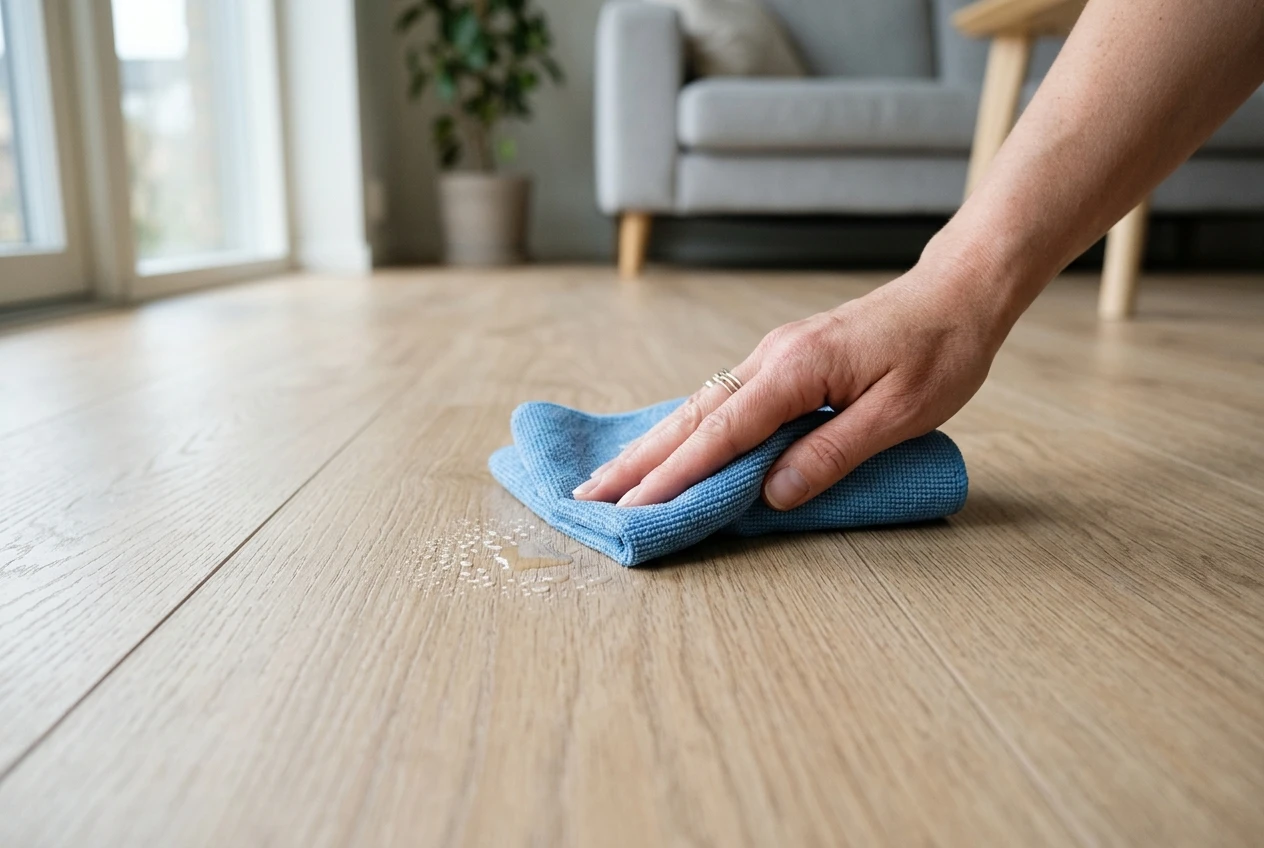
For varnished wooden parquet and ceramic tiles, also remove liquid immediately and treat the surface with an enzymatic product designed for hard floors. Allow the product to work for the time specified in the manufacturer's instructions, usually about five minutes, then wipe the surface clean. For wooden floors, only proceed this way on finished wood, as unfinished wood absorbs liquid deep into its pores. For tiles, pay special attention to cement-based grout, which is porous and often requires multiple treatments.
For textile coverings and carpets, you should first remove as much urine as possible by blotting the soiled spot with a clean cloth or using a wet-dry vacuum. Then rinse the area with cool water, remove excess moisture, and use a special enzymatic cleaning product that helps break down urine residue and neutralize unpleasant odors. You should avoid hot steam cleaners, as heat can make removing urine residue and odor more difficult. If the carpet is heavily saturated and the odor persists after cleaning, it may be necessary to replace the carpet underlay and thoroughly clean the subfloor.
Complete cleanliness and accident prevention
To maintain a fresh and pleasant home environment, it's worth linking floor care to your daily routine. Since loose hair binds dust and odor particles in the room, effective ways to remove pet hair at home help ensure cleaner indoor air. For major plans and thorough cleaning, it's worth drawing inspiration from suggestions offered by spring cleaning.
To avoid repeated accidents, it's important to establish a consistent daily routine for your pet and provide suitable conditions. For dogs, regular walks, rewarding outdoor bathroom breaks, and adequate supervision indoors help maintain cleanliness. For cats, it's important to provide an adequate number of litter boxes – preferably one more than the number of cats in the home. Litter boxes should be cleaned regularly and placed in quiet, easily accessible locations. Your pet should also always have access to fresh drinking water. If a previously clean animal suddenly begins urinating indoors, you should consult a veterinarian to rule out possible health problems. If a cat has urination difficulties, especially if urine is not being passed, it needs immediate veterinary care.
A well-maintained and fresh home brings joy to every family member and preserves the value of the living space for many years to come. If you're looking for a new and more suitable home for your family and pet, explore Kinnisvara24's diverse listings and find your next home today.
Search
Keywords
Most read articles
- Price per Square Meter of Apartments in Tallinn in 2025

- Apartment Market in Early 2026: Prices Rising, Transaction Activity Remains Modest
- Apartment Market in Early 2026: Prices Rise, Transaction Activity Remains Modest
- Estonian Apartment Prices and Market Expectations in 2025
- Notary Fee and State Fee – Who Pays and How Much?