How to Maintain Your Outdoor Grill Before Grilling Season Begins
The arrival of warm weather means one thing for many Estonian homeowners: grilling season is just around the corner! But before you can enjoy your first delicious piece of meat or vegetables on your outdoor grill, you need to make sure your grill is ready for the season. Proper maintenance before the start of the season not only extends the life of your grill but also ensures a safe and enjoyable grilling experience. In the following guide, you'll find practical tips on how to properly maintain your grill for 2025 and beyond.
Why is grill maintenance important?
Regular maintenance significantly extends the life of your grill, helping to prevent rusting and damage to various mechanisms. Additionally, a clean grill provides a better grilling experience – food tastes better and cooks more evenly. Most importantly, however, is safety – a dirty grill can cause a fire hazard, especially if grease and food debris have accumulated around the burners.
Research has shown that regularly maintained grills can last up to twice as long as unmaintained devices. This makes grill maintenance not only a safety issue but also a financial investment question.
Cleaning specifics for different grill types
Gas grill
Gas grills are very popular in Estonian homes, but their maintenance requires special attention. Before the start of the season:
Check gas hoses and connections – make sure they are not cracked or damaged. To check for leaks, use soapy water: if bubbles form, there is a leak at the connection point.
Clean burners and fans – use a thin nail or wire brush to remove dirt and grease from the openings. Clogged burner tubes can cause uneven flames and in the worst case even fire. Grill guru recommends paying special attention to checking the openings on the sides of the burners where the flame exits.
Check igniters and electrodes – clean them of dirt and make sure the ignition mechanism works correctly. If the ignition mechanism doesn't work, the problem may be in moisture-damaged electrodes or batteries.
"Cleaning the burners is one of the most important procedures in gas grill maintenance. Clogged burners can not only cause uneven cooking but also dangerous flame flare-ups," confirms Clean Grill in its maintenance recommendations.
Ceramic grill
With ceramic grills, such as the popular kamado-type grills, it's important to take their special features into account:
Avoid using a wire brush – it can damage the ceramic surface. Instead, use a soft cleaning sponge, as recommended by Lõuna Postimees in its articles.
Check for mold formation – if you've left the grill unused for a long time, mold may form inside. To prevent this, keep the ash hole at the bottom of the ceramic grill open when the device is not in use for extended periods.
Mold removal – if mold has still formed, heat the grill to maximum temperature and let it run for 30 minutes. Then let the grill cool and simply clean with a brush. Big Green Egg recommends cleaning the inside of the grill with a damp cloth after burning off the mold.
One effective trick for maintaining kamado-type grills is the so-called self-cleaning mode – heat the grill to about 400 degrees and maintain that temperature for 30 minutes, which helps remove most food debris and grease.
Charcoal grill
Charcoal grills are simple to maintain, but still require proper attention:
Remove all ash and charcoal residue – clean the bottom and ash collection tray completely to prevent moisture buildup, which can cause rust. Ash absorbs moisture, which is the main cause of rusting.
Check for signs of rust – if you find rust, use fine sandpaper to remove it and cover the spots with heat-resistant paint. Small rust spots can also be removed with white vinegar and baking soda, allowing 10 minutes for it to work.
General cleaning tips for all grills
Regardless of the type of grill, here are some universal tips to follow:
1. Thorough interior cleaning
Before the start of the season, heat the grill to maximum temperature for 10 minutes – this helps soften grease and food debris. Then let the grill cool and:
Remove grates and burner covers
Clean the grill interior with a steel brush or special cleaning product
Pay special attention to the grease tray and collector – this is an area where accumulated grease poses the greatest fire risk
"If grease and food particles accumulate over the years, they can cause uncontrolled flames that can damage your grill and even pose a risk to your home," warns Clean Grill in its tips.
2. Exterior surface cleaning
The grill's exterior also requires maintenance:
For stainless steel surfaces, use a special cleaning product and always wipe in the direction of the "grain" – this gives the surface a uniform and shiny appearance
For painted surfaces, use a gentle dish soap and a soft cloth or sponge
For colored surfaces, be careful not to damage the paint coating – Motonet recommends using a diluted vinegar solution to remove stubborn stains
3. Grill grate maintenance
Grill grates are the most-used part and require especially thorough cleaning:
Remove large dirt from the grates with a steel brush
Then use warm water and dish soap
For heavily soiled grates, you can leave them soaking in a dish soap solution overnight
After cleaning, dry the grates thoroughly and coat with a thin layer of food oil to prevent rust
An old grillmaster's trick: use an onion or lemon juice to clean the grate. Cut the onion in half and rub it on the warm grate – this helps remove food particles and gives the next meal a flavorful aroma.
Checking grill components before the start of the season
In addition to cleaning, it's worth checking all components of your grill:
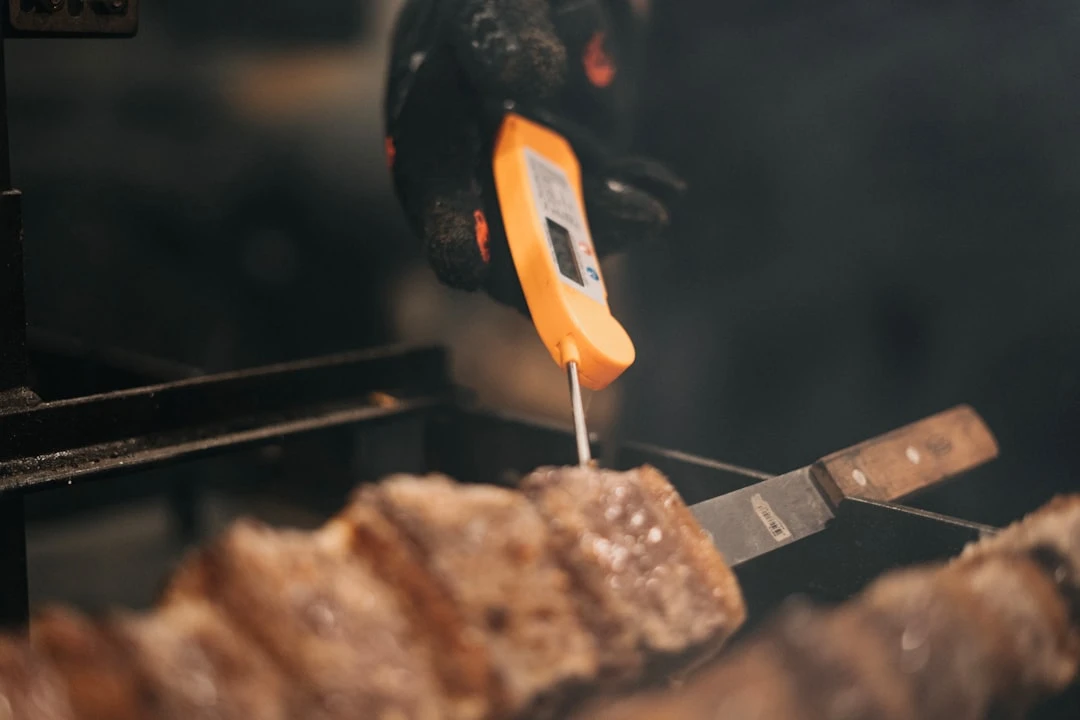
Thermometer – make sure it works correctly and shows accurate temperature. If the reading is inaccurate, calibrate or replace it, as correct temperature is the key to safe and tasty grilling.
Seals – check that they are intact and tightly sealed. Damaged seals can cause heat loss and inefficient cooking.
Hinges and other moving parts – lubricate them if necessary with heat-resistant grease. Moving parts that are not properly lubricated may jam over time or even break.
On gas grills, regulators and valves – check their operation. Corroded or damaged valves can cause gas leaks.
One often overlooked component is the grill cover – check that it is intact and doesn't let water through. A broken cover won't protect your grill from the weather, which can significantly shorten the device's lifespan.
Which cleaning products to choose?
For grill cleaning, suitable products include:
Steel brushes and scrapers (avoid on ceramic grills)
Special grill cleaning products
Paste made from baking soda and water for heavy stains
Gentle dish soap
Definitely avoid oven cleaning products, as they contain corrosive chemicals that can remain on grill surfaces and later come into contact with food.
Ecological cleaning option: mix 2 parts baking soda with 1 part water to make a thick paste. Apply to soiled surfaces, let sit for 15 minutes, and rinse. This method is especially effective for cleaning painted surfaces.
Storing your grill during the off-season
When grilling season is over, it's worth thinking about how to store your grill for winter:
Clean the grill thoroughly – don't leave any food debris or grease stains in it. Thorough end-of-season cleaning prevents possible mold or corrosion from forming during winter.
Cover the grill with a quality weather-resistant cover – this protects it from moisture, sun, and cold. Clean Grill recommends choosing a cover that fits your grill's exact dimensions so the wind doesn't blow it away.
Choose a dry storage location – if possible, bring the grill into a garage or shed. If you must leave the grill outside, make sure it sits on a hard surface that doesn't collect water.
Remove the balloon from a gas grill – always store it separately in a well-ventilated area. Gas cylinders should never be stored indoors, only outdoors in a well-ventilated location.
If you have a house with a yard, you might consider building a special grilling house or shelter, which will significantly extend the life of your grill.
When is the right time to maintain your grill?
The best time for thorough grill maintenance is in spring, just before the grilling season begins. This gives you the opportunity to discover and fix any potential problems before your first grilling session. Additionally, light cleaning should be done after each use, and more thorough cleaning at least once a month during the active use period.
If you recently purchased a new home or an apartment with a terrace, remember that a new grill also requires regular maintenance, even if it's only in its first season of use.
Summary
Proper maintenance of your outdoor grill before the start of the season is an investment that pays off in the form of a better grilling experience, safe use, and longer lifespan. Remember that different types of grills require slightly different approaches, but the principles are the same: thorough cleaning, component checking, and the right cleaning products.
A properly maintained grill is your reliable companion for summer gatherings and family grilling parties, whether you have a house with a yard or an apartment with a terrace. Follow these simple tips and enjoy worry-free grilling throughout the 2025 grilling season!
Search
Keywords
Most read articles
- Price per Square Meter of Apartments in Tallinn in 2025

- Apartment Market in Early 2026: Prices Rising, Transaction Activity Remains Modest

- Apartment Market in Early 2026: Prices Rise, Transaction Activity Remains Modest
- Estonian Apartment Prices and Market Expectations in 2025
- Notary Fee and State Fee – Who Pays and How Much?