How to Improve Air Quality at Home and Protect Your Health?
Did you know that indoor air can be many times more polluted than outdoor air, directly affecting your sleep quality and daily work capacity? Creating a clean home environment is achievable for every homeowner who understands the importance of proper ventilation and conscious cleaning habits.
Modern ventilation and fresh air circulation
Today's living environment requires smart solutions, as increasingly dense buildings need conscious and continuous air exchange. As of June 1, 2025, updated energy efficiency requirements came into effect in Estonia, emphasizing that indoor air quality must not suffer for the sake of energy savings. The most efficient method for ensuring fresh air is a heat recovery ventilation system, which can recover up to 70–80% of heat during winter. This technology keeps carbon dioxide, or CO2, levels within the recommended 1000 ppm limit, while significantly reducing heating costs.
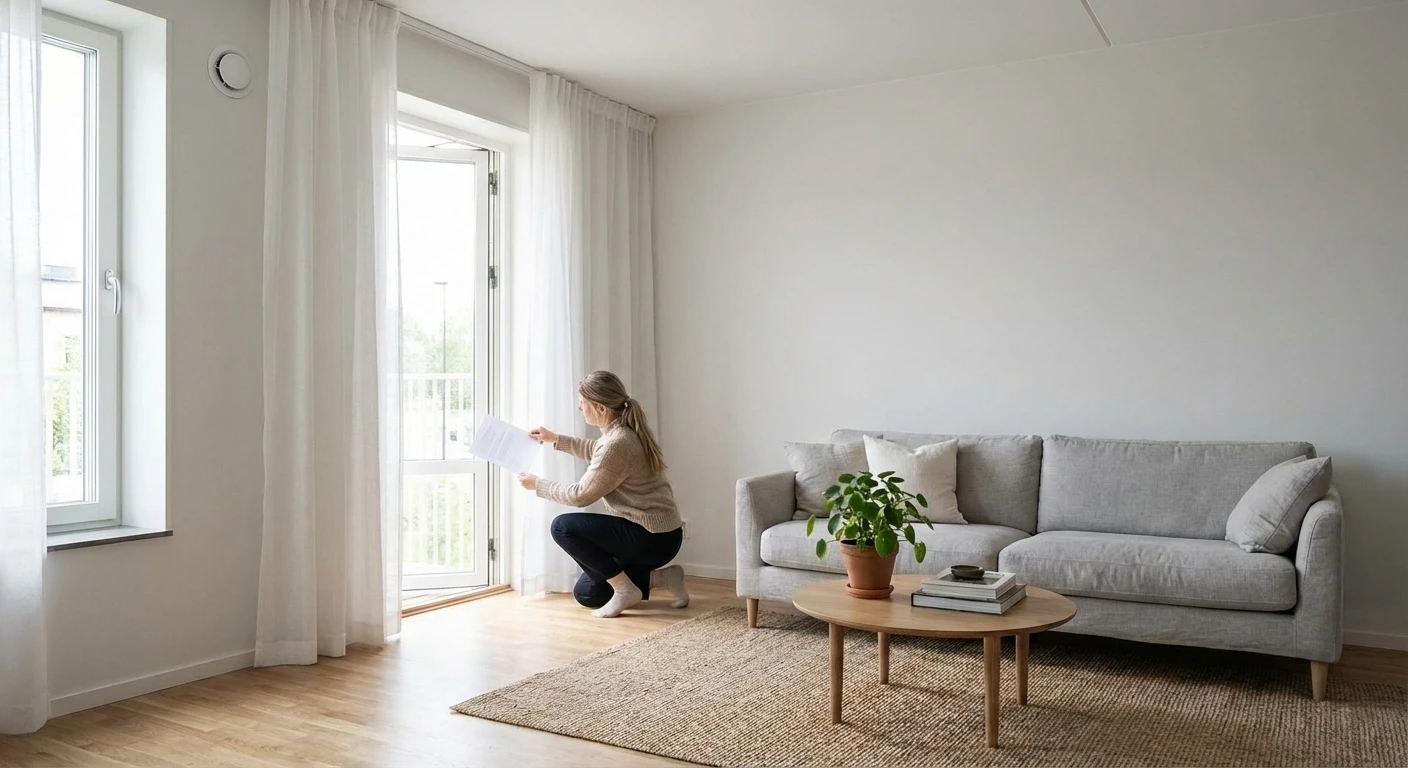
If you live in an older building without a mechanical system, regular ventilation through windows is critical. The bedroom should be ventilated for at least 15 minutes per day to remove pollutants accumulated overnight, which otherwise cause morning fatigue and headaches. For quick air refreshing, even a half-minute of vigorous ventilation is sufficient to restore normal humidity levels without excessively cooling the room.
Humidity control and mold prevention
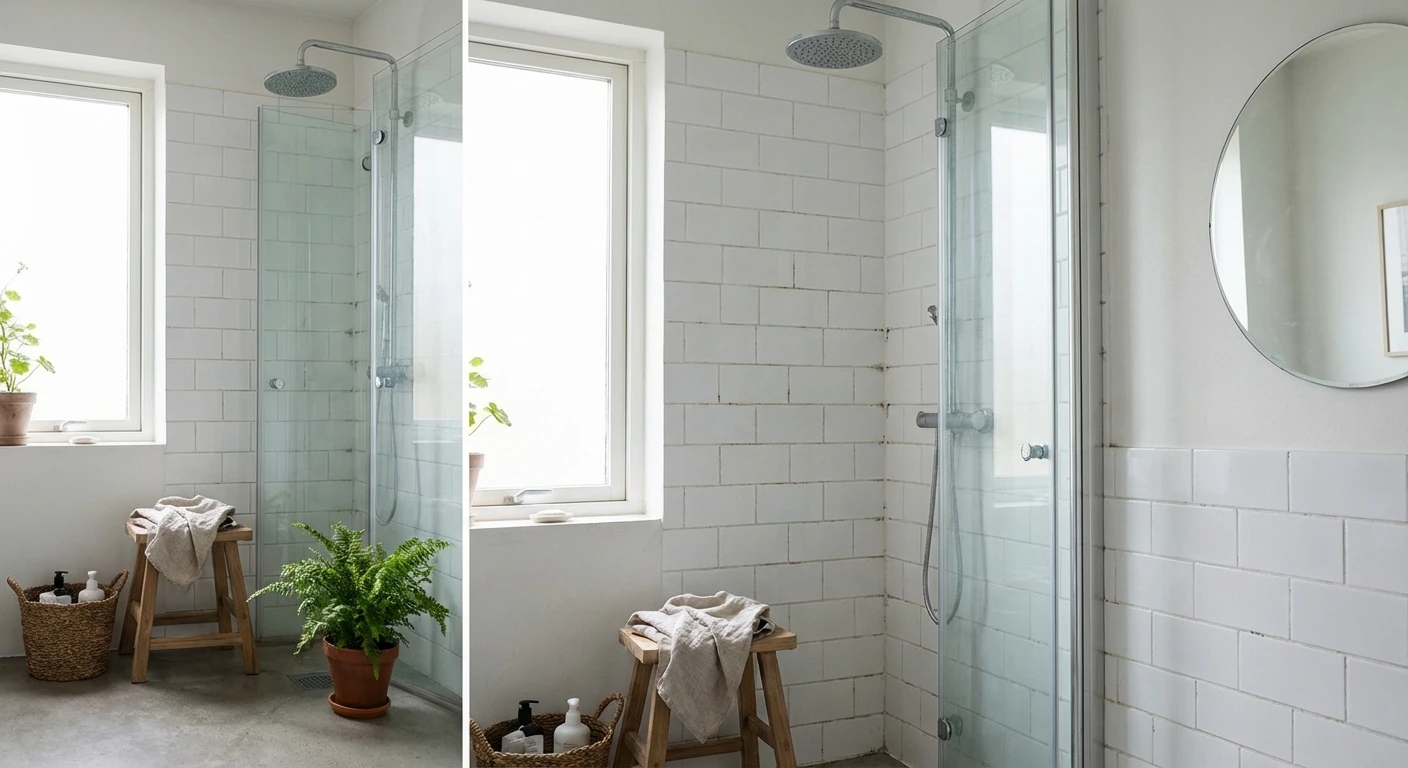
Maintaining air quality is closely linked to controlling indoor humidity levels to prevent the spread of health-hazardous microorganisms. Excessive humidity promotes mold growth, which is a common problem in Estonia, especially in unrennovated or poorly insulated buildings. To ensure a healthy indoor climate, bathrooms should have ventilation exhaust of at least 15 liters per second, and kitchens up to 25 liters per second during food preparation. These rates help remove water vapor and organic compounds produced during cooking before they seep into building structures.
If you notice condensation on windows or smell mustiness in the room, it's a clear sign of insufficient air exchange. In such cases, it's worth applying mold removal and prevention guidelines to protect both building structures and residents' health. Humidity management is especially critical in wet rooms, where special tips for preventing mold in bathrooms help, such as using forced ventilation and drying surfaces after washing.
Cleaning habits and dust control
Cleaning habits play a larger role in indoor air purity than might appear at first glance. Scientific research confirms that household dust often contains fine particles (PM2.5), which come from both outdoor air and everyday activities. To keep dust under control, you should prefer wet cleaning to dry sweeping, as wet cleaning traps particles and prevents them from being sent back into the air. Use a vacuum cleaner equipped with a HEPA filter to catch even the smallest allergens and prevent them from being recirculated into indoor air.

A cleaning routine is especially important in households with pets, where hair and dander can significantly reduce air quality. You should use effective methods for removing pet hair at home, which help keep the indoor climate healthy and reduce allergy risks. It's also recommended to start each season with a thorough spring cleaning to free surfaces from pollutants accumulated deeper.
Smart solutions and houseplants
In addition to technical systems, you can improve indoor climate with natural and smart aids. Certain plants act as natural air purifiers, helping to bind volatile organic compounds and enrich the air with oxygen. You can explore in more detail which houseplants purify air the best and how to incorporate them into your home's interior design to create a healthier living environment.
Today, smart CO2 and humidity sensors have also become increasingly accessible, providing real-time alerts for when it's the right time to ventilate rooms or increase ventilation power. These devices are excellent helpers that belong to broader ideas for increasing home comfort. With sensors, you can avoid excessive dryness or humidity in the air, keeping your indoor environment stable without constant manual intervention.
Investment in a healthy living environment
If you're planning a major renovation or live in a historic building, improving air quality is one of the most important investments in your property's value. In older buildings, natural ventilation may cease to function after window replacement, resulting in moisture damage and stagnant air. Therefore, during the renovation process, it's important to plan the installation of heat recovery ventilation, which ensures consistent temperature and fresh air year-round.
Comprehensive planning advice can be found in a guide that explains how to renovate an old house according to 2026 standards. A healthy indoor climate begins with conscious choices and regular activities that keep air moving and surfaces clean. Monitor your home's humidity level and CO2 readings and implement modern solutions to ensure the best possible living environment for yourself and your loved ones. More advice on home well-being and real estate market trends can be found in Kinnisvara24's blog.
Search
Keywords
Most read articles
- Price per Square Meter of Apartments in Tallinn in 2025

- Apartment Market in Early 2026: Prices Rising, Transaction Activity Remains Modest

- Apartment Market in Early 2026: Prices Rise, Transaction Activity Remains Modest
- Estonian Apartment Prices and Market Expectations in 2025

- Notary Fee and State Fee – Who Pays and How Much?