How to Feel Happy in Your Hometown

March 20 is known as the International Day of Happiness. As a creator of homes and neighborhoods, it is important for Bonava that people feel happy in their home communities. In our latest happiness survey, we investigated which factors help increase the feeling of happiness in one's place of residence.
Happy neighborhoods
The aim of Bonava's "Happy Neighborhood Survey," which began in 2017, was to ask people living in home markets what makes them happy in their home community and what they value in it. The results of the happiness survey conducted last year showed that Estonians' satisfaction with their home and neighborhood makes up 25% of their overall sense of happiness, and the five most important factors are: safety (88%), order and cleanliness (82%), the presence of walking and cycling paths (76%), parks and green spaces (74%), and a good atmosphere (73%).
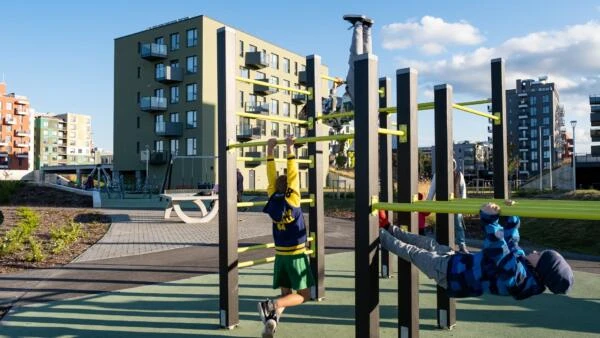
"Comprehensive living environments create opportunities for residents to interact with neighbors and spend their free time. To find out what people expect from their home community, we conducted a population happiness survey, the findings of which we take into account when planning new homes," explained Lauri Laanoja, head of sales and marketing at Bonava. Therefore, for Bonava, as a creator of new homes, it is important that residential areas have good access to public transport, activities for spending free time both in the fresh air on health trails and in some larger centers, and a cozy courtyard where neighbors can communicate with each other and children can play safely together without worry.
Positive impact on interaction with neighbors
The more we know the people who live next to us and interact with them, the safer we feel in our home community. It is important to point out here that interaction with a neighbor does not have to be long at all — even saying "hello" or having a short conversation has a positive effect on our overall well-being. The "Happy Neighborhood Survey" shows that those who greeted a neighbor during the past week experienced a 21% higher sense of safety.
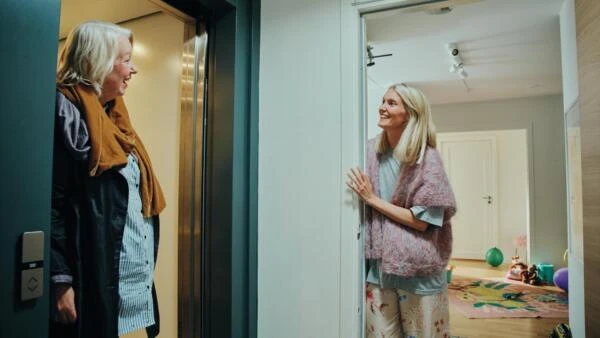
Good neighborliness also plays a role in making our daily life in the home community more pleasant and positive. In addition to small conversations, what increases the neighborhood's happiness are also helping (lending a helping hand to a neighbor), inclusion (participating in neighborhood activities), and sharing (sharing spaces and common areas with neighbors).
Therefore, when Bonava creates new home communities, it wants to give future residents the opportunity to spend time together, contribute to the well-being of their home community, and help create acquaintances and friendships with people who live in the same home community. Taking into account the results from happiness surveys, we can plan homes and neighborhoods to create living environments where people are truly happy and satisfied.
Article author: Bonava Estonia
Search
Keywords
Most read articles
- Price per Square Meter of Apartments in Tallinn in 2025

- Apartment Market in Early 2026: Prices Rising, Transaction Activity Remains Modest

- Apartment Market in Early 2026: Prices Rise, Transaction Activity Remains Modest
- Estonian Apartment Prices and Market Expectations in 2025
- Notary Fee and State Fee – Who Pays and How Much?