Home Buyers No Longer Want Apartments Requiring Renovations
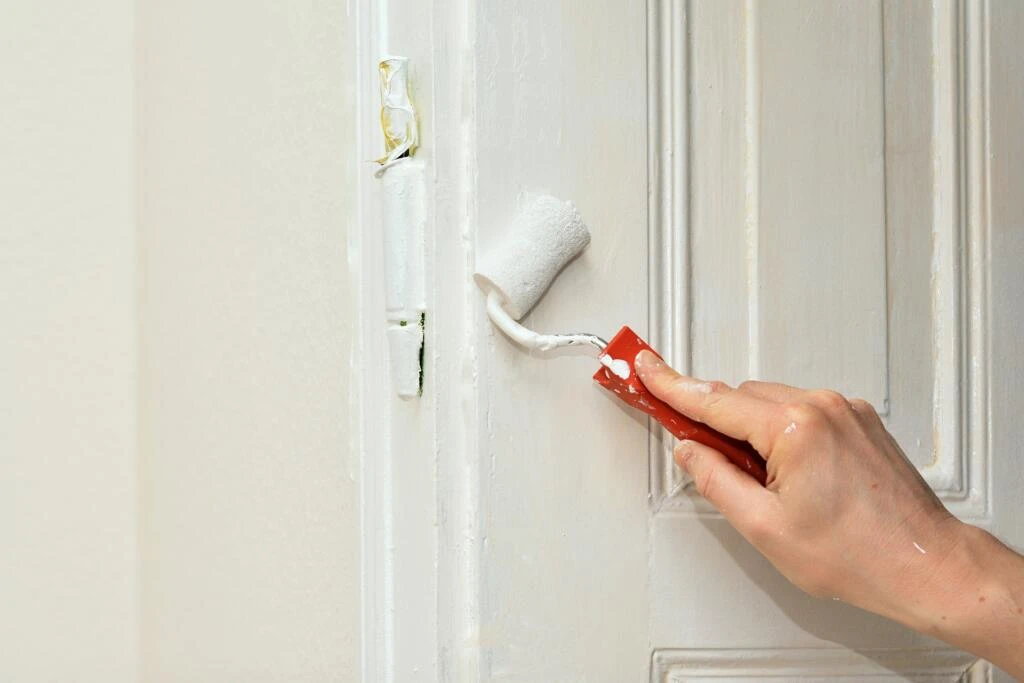
Old architectural gems with worn-out apartments that residents could renovate according to their own wishes no longer attract home buyers, according to a survey conducted by YIT Estonia. According to the survey, only one in ten people would be willing to purchase a home built before World War II that requires renovation.
According to Kadi Aljas, a marketing specialist at YIT Estonia, apartments requiring renovation rank last in the preferences of potential buyers regardless of how old the building is. In her assessment, renovation is feared for various reasons.
"Home buyers have become cautious about real estate objects requiring renovation, because in recent years rapidly rising building material prices have made renovation budgets unpredictable. When adding the apartment and renovation costs together, an inevitable question arises whether it would not be simpler and cheaper to buy a new apartment instead, to which the developer also provides at least a two-year warranty," said Aljas.
According to her, not all errors that need fixing may be immediately apparent when buying an apartment in an old building. "Problems such as poor thermal insulation, inadequate sound insulation of walls, and outdated heating or ventilation systems are not visible when visiting the apartment. These only become apparent after moving in or living there for a longer period," she said and added that updating technical systems can also prove to be quite challenging when modernizing old apartments.
"For example, installing a new gas boiler or other modern equipment may require very expensive modifications in an old apartment. If the budget does not allow for such expenses, unsightly pipes and cables will decorate the apartment walls in the future. Installing a range hood also often causes headaches for old apartment owners – when directing the hood pipe through the chimney, you cannot be sure whether smoke and food odors are actually being directed out of the building or into the neighbor's kitchen instead," she gave examples of common problems.
According to her, creating comforts comparable to new buildings in worn-out apartment buildings is not impossible, but it requires agreement with neighbors and monthly payments to the renovation fund can make a huge jump. "Today it is even possible to install elevators in old panel buildings, but very few housing cooperatives dare to undertake such an expensive and technically complicated project," explains the YIT representative.
For this reason, home buyers are increasingly interested in apartments created in new developments – new buildings can provide residents with much greater comfort.
"New buildings are generally more energy-efficient, have lower utility costs, and the layouts of apartments there are designed considering the lifestyle and needs of modern people. This is especially noticeable with large family apartments. While new four-room apartments almost always have two bathrooms, old apartment buildings generally do not have such luxury, and a large family has to carefully plan their daily morning bathroom schedule," says Aljas.
According to Aljas, the survey showed that home buyers gladly consider purchasing an old but renovated apartment. This type of home also has its own risks, she noted.
"When buying a renovated old apartment, there is a lack of adequate information about what work was done during the renovation, what the quality of the construction work was, and whether all construction work was even permitted. If changes were made to the apartment's load-bearing structures during the renovation and this has not been properly documented or coordinated, it can cause a lot of problems later," she said.
Buyers of new apartments do not have to worry about such issues – the developer is obligated to obtain a permit for the apartment after completion, provide the owner with all information about the apartment's technical systems, and eliminate all identified defects during the warranty period.
Search
Keywords
Most read articles
- Price per Square Meter of Apartments in Tallinn in 2025

- Apartment Market in Early 2026: Prices Rising, Transaction Activity Remains Modest

- Apartment Market in Early 2026: Prices Rise, Transaction Activity Remains Modest
- Estonian Apartment Prices and Market Expectations in 2025
- Notary Fee and State Fee – Who Pays and How Much?