Herb Garden! Come See What and Where!
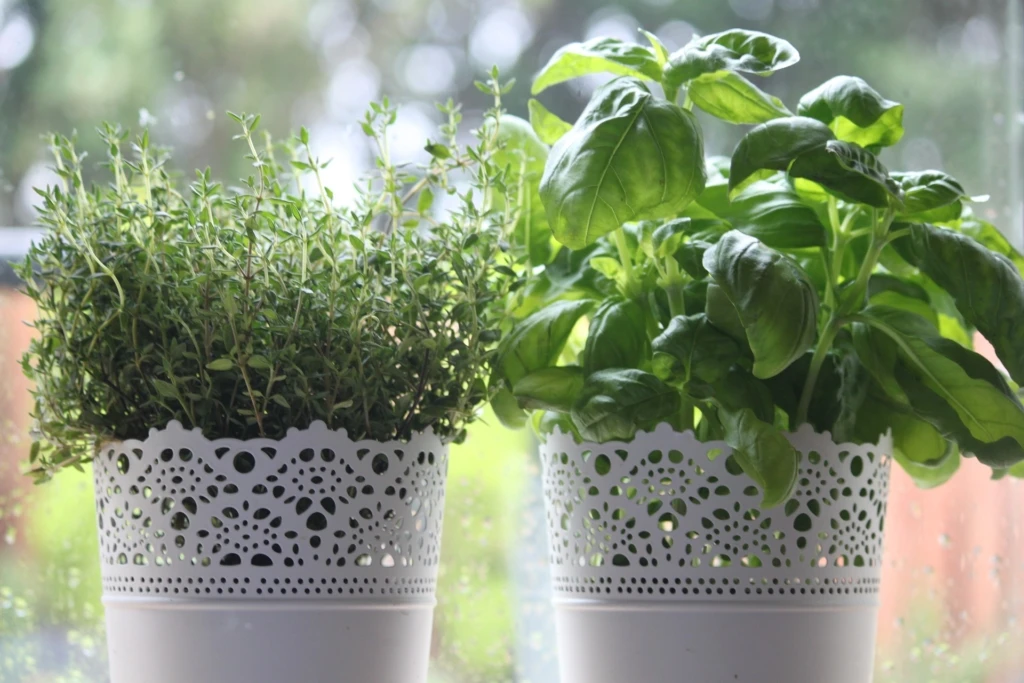
Don't fresh herbs smell wonderful! If you've bought a pot of basil from the store, your mouth starts watering right away and your stomach feels empty. But do you know how to keep a good herb scent constantly in your kitchen? Clear the cacti from your windowsill at home and create an indoor culinary herb garden there instead.
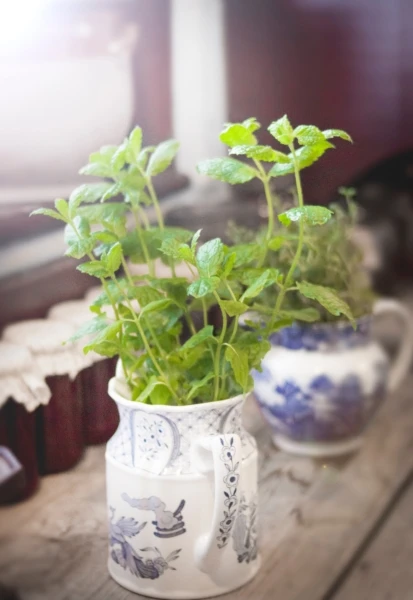
With the name "garden" we certainly exaggerated and must admit that we also misled you. In reality, you should grow herb plants in separate pots instead, so you can give each plant exactly as much moisture and care as it needs. If you don't have such windowsills where you can practice container gardening (4–5 hours of sunlight), then create (or have created) a special spot with lighting on your kitchen island, for example. Very decorative!
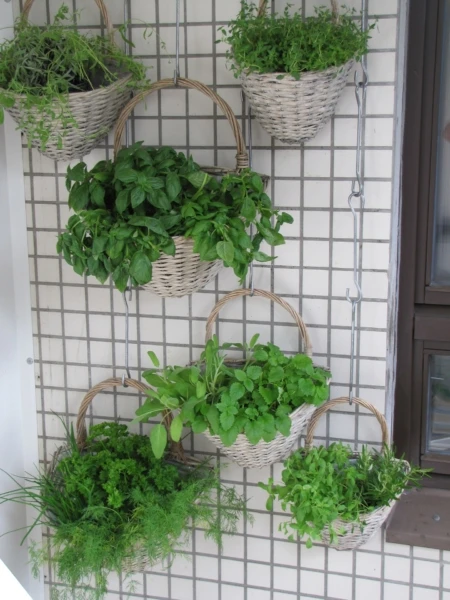
But summer is coming and you can successfully grow culinary plants on a balcony or terrace as well. Some larger enthusiasts even grow vegetables on their balcony.
Use special culinary plant soil for planting herbs or if you have regular potted flower soil at home, mix it with cactus soil. Most herbs like lighter soil that water runs through quickly. And don't forget drainage—a couple of three stones that go under the soil. The pots should be the kind that allow water to drain from the bottom, otherwise the roots of your beloved plants will rot and your dream of an indoor herb garden will go down the drain.
But let's now look in detail at which plants you can grow in pots.
Basil
Basil cannot be missing from Italian, Mexican, or Middle Eastern cuisine. Add it to tomato sauce, soups, meat dishes, and stews. By the way, basil is one of those plants that has more flavor when dried. Don't let the soil dry out and water when the top layer of soil is dry. Basil needs medium to strong light.
Thyme
Thyme is very decorative and if you don't like its flavor, you can also grow it simply as an ornamental plant. Thyme actually has another name – garden thyme. This plant wants a lot of light, but not as much water as some other culinary plants.
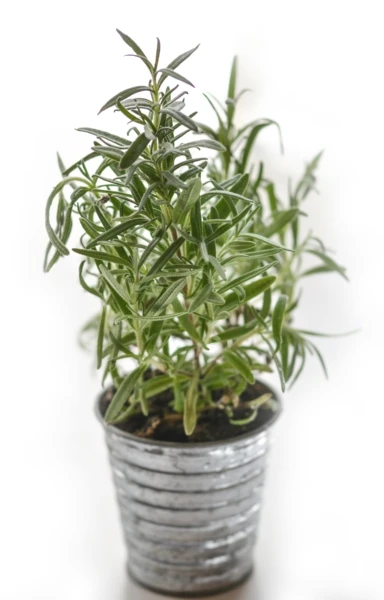
Rosemary
Rosemary is especially good as a seasoning for various meats, potatoes, and olive oil. Rosemary likes a warmer location in summer and cooler in winter, but always with strong light.

Mint
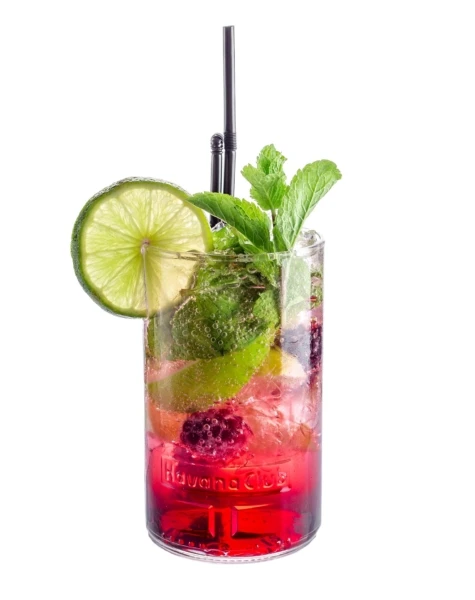
You can add mint leaves to tea, food, and Mojitos. Keep the soil moist and place the plant in medium to strong light. Mint is indeed one of those grateful plants that can manage even with our poor lighting.
Basil
Basil, tomato, mozzarella, and a splash of olive oil – we could live on Caprese salad alone! Basil gives many dishes a completely different flavor and is indispensable when making Italian food. Basil wants a lot of water and a lot of light, which is why it grows best in a place with supplemental lighting. For example, on that kitchen island.
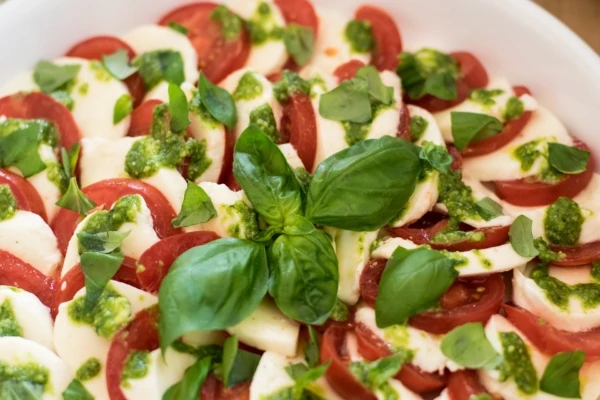
However, you won't be able to grow a single basil plant for very long, because it simply goes to seed – that's why you should plant new seeds in the pot every few weeks.
Parsley
What a lovely name for a plant! The taste is just as lovely in soup and salad. Parsley also wants a lot of light. Use a deeper pot.
Dill
Dill, the favorite herb of Soviet-era home cooks, is still a grateful culinary plant today. Dill needs a deep pot and plenty of sunlight. Water when the top layer of soil is dry.
There are many more plants you can grow in the kitchen – try boldly!
Sources: Gardeners Balcony Garden Web
Search
Keywords
Most read articles
- Price per Square Meter of Apartments in Tallinn in 2025

- Apartment Market in Early 2026: Prices Rising, Transaction Activity Remains Modest

- Apartment Market in Early 2026: Prices Rise, Transaction Activity Remains Modest
- Estonian Apartment Prices and Market Expectations in 2025

- Notary Fee and State Fee – Who Pays and How Much?