A Horseshoe-Shaped Cottage Rises 200 Meters from Lake Harku
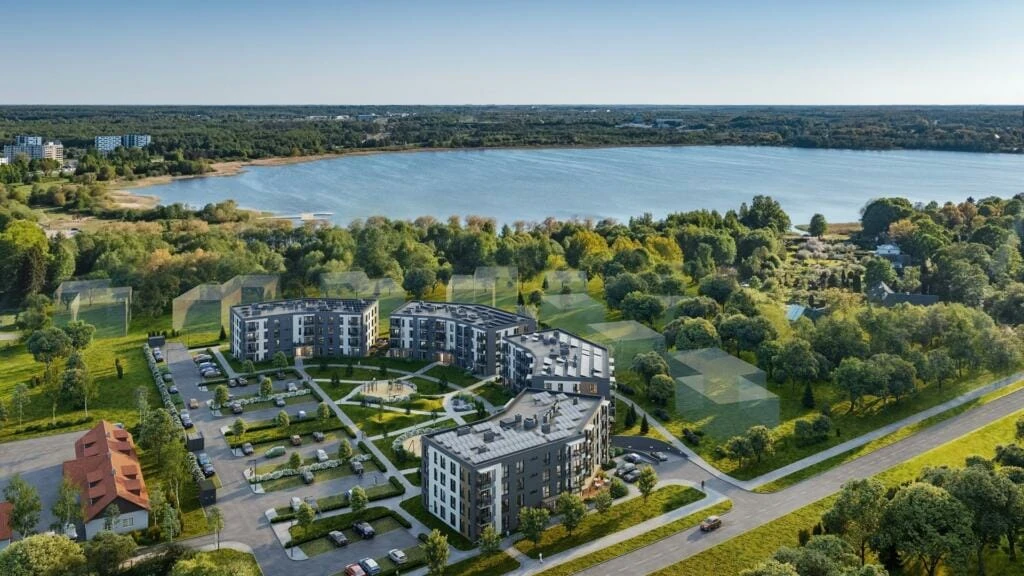
Pikaliiva Kaarmaja neighborhood is emerging in an area whose development history could almost be the subject of a film. Bonava landscape architect Eda Vane explains what inspired the distinctive courtyard area and architecture of Pikaliiva Kaarmaja, and several historical facts provide an interesting overview of the home being created.
A neighborhood with a colorful history
Pikaliiva Kaarmaja neighborhood is being built in the Haabersti city district, which did not belong to the capital even 55 years ago – the Väike-Õismäe area was only incorporated into Tallinn in 1968. Centuries ago, Järve village was located there, which belonged to Haabersti manor. The manor covered a large area and under it fell a total of eight small settlements, including Õismäe, Kadaka and Kakumäe villages.
Bonava landscape architect Eda Vane added that Pikaliiva Kaarmaja is located on the former agricultural lands of Viki Manor's neighboring farm, and today in place of the manor complex is Harku Rowing Club. "The manor forest lands on the beautiful banks of Lake Harku belonged to a Baltic German doctor named Eduard Georg Fick. Pikaliiva Kaarmaja is situated on the hay and arable lands of Kangru farm located along the road leading to the manor," described Vane.
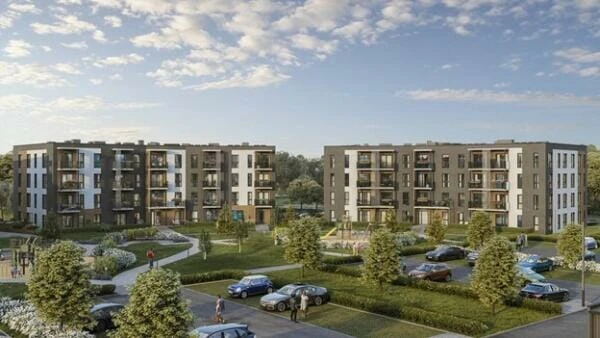
Since before the establishment of its own state, Germans were manor owners in Estonia for centuries, the name Haabersti is also derived from the German word Hafer, which in Estonian means oats. The main house of Haabersti city manor was a simple limestone structure, and its ruins stood on the north side of Paldiski highway until 2001, when they were demolished due to development. Although nothing remains of the grand manor today except for a few park trees, Väike-Õismäe has plenty of beautiful greenery and nature. "In honor of the former manor avenue, a section of it is being reconstructed as a row planting of buckthorns along the eastern edge of the property," said landscape architect Vane.
Closeness to nature in the city
Väike-Õismäe is located on the Harku plain, which was covered by sea 9,000 years ago. The plain was part of the bottom of Kakumäe Bay, but over time the sea retreated and the area dried out. Today the region has Lake Harku, Tiskre stream flows there, and nature enthusiasts can visit the dunes located near the new Pikaliiva Kaarmaja homes.
New homes add new value to the area
By the end of this year, Bonava's Pikaliiva Kaarmaja will be completed in the area, adding new value to the neighborhood, combining architectural and historical elements with modern conveniences. According to Vane, the landscape architectural solution of the Pikaliiva Kaarmaja courtyard area is inspired by the local history. "The landscape architectural layout solution is like a silent ode to the Väike-Õismäe master plan, modernist in style and functional," described Vane.
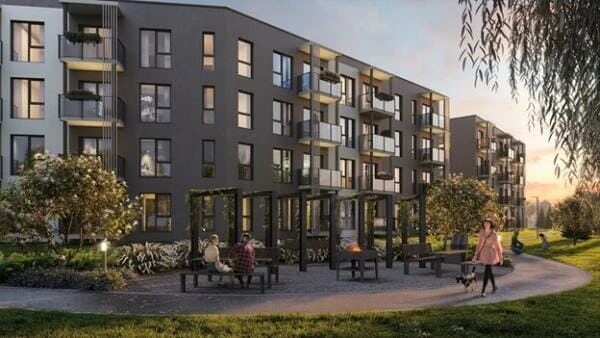
In the center of the courtyard are circular play areas, surrounded by a sloped lawn area for peaceful relaxation. Additionally, the courtyard has vegetation-separated private zones and traffic areas — a bright, safe landscaped courtyard area offers visual appeal throughout the year. Through the reuse of the hall's structural elements, the era of the former Agricultural Directorate KTB times is also highlighted.
Solar panels will be installed on the roofs of the four-story apartment buildings being completed this year, contributing to making the new homes energy-efficient. The new residents of Pikaliiva Kaarmaja await a life where all modern home solutions are combined with dignified history, closeness to nature and diverse opportunities.
Article author: Bonava Estonia
Search
Keywords
Most read articles
- Price per Square Meter of Apartments in Tallinn in 2025
- Apartment Market in Early 2026: Prices Rising, Transaction Activity Remains Modest

- Apartment Market in Early 2026: Prices Rise, Transaction Activity Remains Modest
- Estonian Apartment Prices and Market Expectations in 2025

- Notary Fee and State Fee – Who Pays and How Much?