Fireplace Construction: Types, Planning, Permits, Price Ranges
Have you ever dreamed of the warmth and coziness of a fireplace on a cold winter evening? A fireplace is not just a heating device, but the true heart of a home, adding both emotional value and increasing property value. Before building a fireplace, however, it is important to understand the various options, requirements, and to take into account a realistic budget and timeline.
Types of fireplaces and their characteristics
Nowadays, a fireplace does not necessarily have to be traditionally built from stone. Modern solutions allow you to choose from a variety of styles and sizes.
Wood-fired fireplaces
Wood-fired fireplaces are divided into several different types:
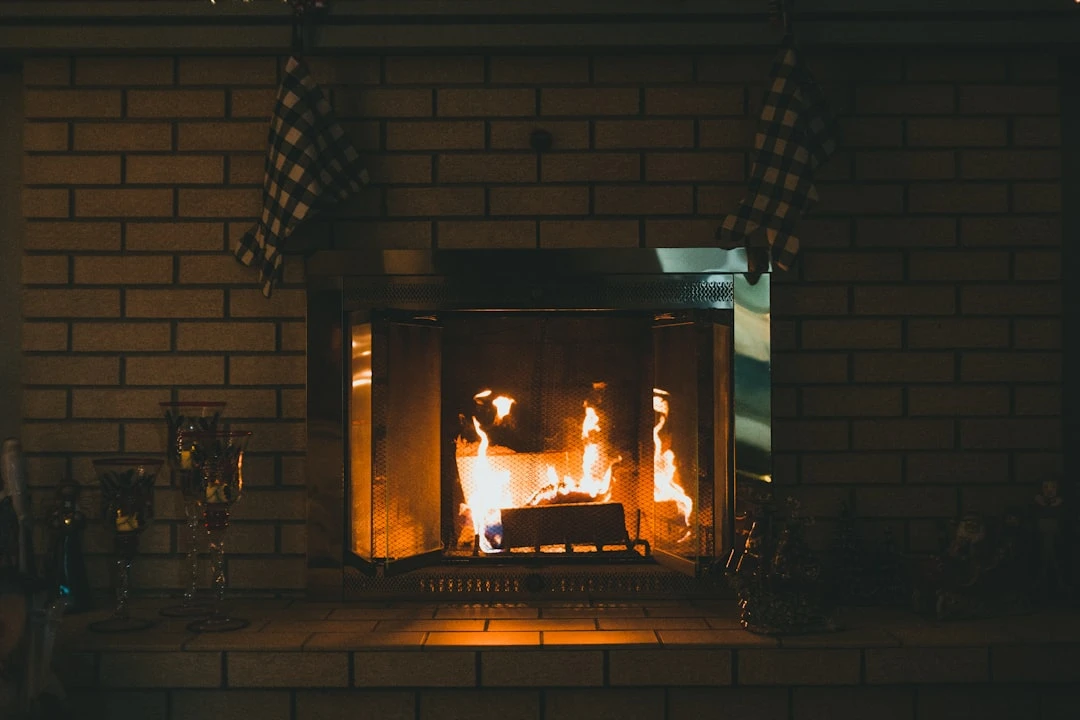
An open fireplace is a classic, open-hearth solution that creates a memorable atmosphere, but offers lower heat efficiency. A closed-hearth fireplace is a fireplace with a door that can be closed, which significantly increases efficiency and safety. A heat-storing fireplace accumulates heat and releases it back into the room over a longer period of time, while a fireplace-stove combines the visual effect of a fireplace with the heat storage capability of a stove.
Wood-fired fireplaces create a unique atmosphere with the crackling sound and smell of wood, which is an irreplaceable value for many fireplace owners.
Gas fireplaces
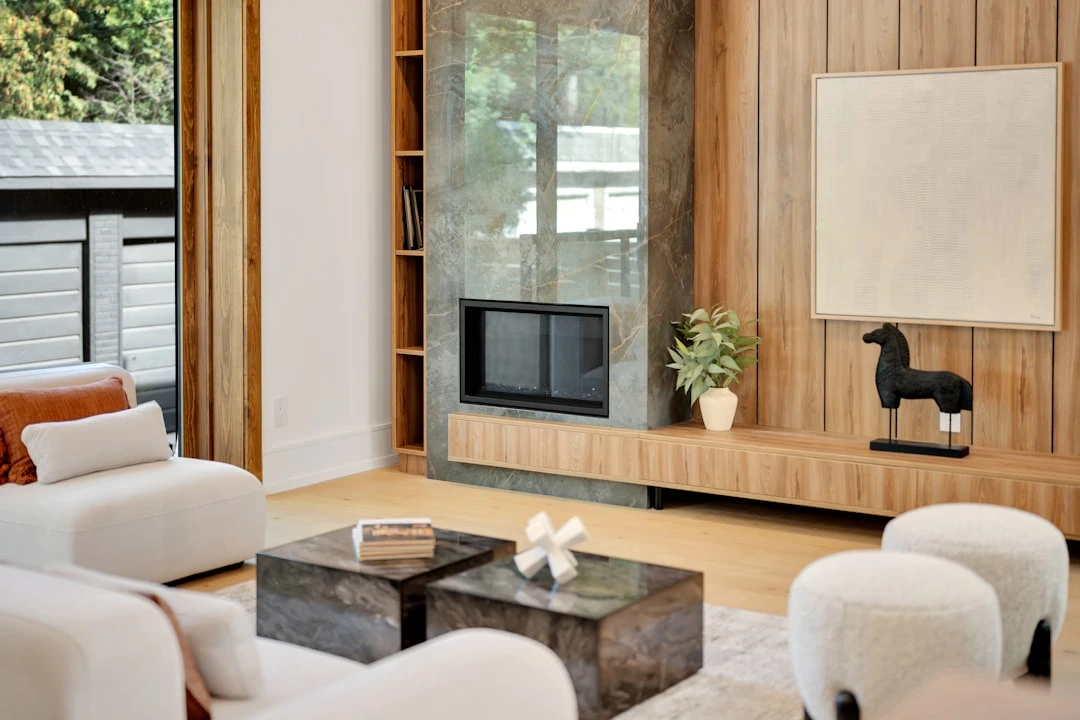
Gas fireplaces are becoming increasingly popular in Estonia as a modern alternative. Their advantage is the ability to control the flame height and ignition, there is no need for wood storage and dealing with ash. Additionally, a gas fireplace can be installed higher on a wall, opening up new design possibilities.
Although a gas fireplace does not produce the sound of crackling wood, it offers a convenient alternative for those who want the visual effect of a fireplace without complex maintenance.
Electric fireplaces
Electric fireplaces are the simplest solution, requiring no chimney or flue. They are ideal for apartments where building a traditional fireplace is not possible or for rooms where simple installation is a priority. Electric fireplaces are well suited for those who want the visual effect of a fireplace with minimal interference.
Bioethanol fireplaces
Bioethanol fireplaces offer real fire without complicated installation. Their main advantage is that they do not require a chimney or flue and do not produce soot or ash. Bioethanol fireplaces are well suited for small rooms or as a temporary solution.
Planning fireplace location
The location of the fireplace should be thought through as early as possible in the construction or major renovation stage. As with many building projects, the initial decisions are those that determine the scope and cost of the work.
Technical considerations
When choosing a location, several technical aspects must be taken into account. A fireplace and chimney are heavy elements that require a strong foundation. It is also important to follow safety requirements that determine the minimum distance from combustible materials, glass surfaces, and furniture. The chimney placement must be optimal through the roof or wall, and ventilation planning must ensure that combustion air can flow freely.
Practical considerations
When installing a fireplace, you should consider whether you want the fireplace to primarily serve a heating function or to be more of a mood creator. The fireplace's power must match the size of the heated room, and the room should have enough free space so that people can sit comfortably around the fireplace.
Popular locations for fireplace installation
A living room is the classic choice for fireplace installation, creating an ideal environment for family gatherings and entertaining guests. A kitchen fireplace gives the room a farmhouse feel and can add practical features – such as the installation of grilling equipment, a hook for a pot, or even a bread oven. The smell of fresh bread combined with the warmth of the fireplace creates a truly cozy atmosphere at home.
A bedroom fireplace adds romance and creates an ideal environment for relaxation. Sound insulation is also important here to ensure a quiet and peaceful atmosphere. Terrace fireplaces have become very popular because they allow for extending time spent outdoors. On cool autumn evenings, sitting by the fireplace in the fresh air is truly a memorable experience.
Permits and requirements 2025+
Building a fireplace requires meeting several permits and requirements, which are more precisely regulated in Estonia from 2025 onwards.
Required permits and approvals
Depending on the type and size of the fireplace and chimney, a construction notice or permit may be required. A chimney sweep approval is definitely required both at the installation and operational stages. It is also important to note that different local municipalities may have additional requirements. When building a larger fireplace and chimney, approval from the Rescue Board may also be required to verify compliance with fire safety requirements.
Safety requirements
When building a fireplace, fire safety requirements must be met, which determine minimum distances from combustible materials. Properly installed smoke and CO detectors are mandatory, and an ABC-class fire extinguisher must be accessible near the fireplace. To protect the floor, a non-combustible material base plate must be placed in front of the fireplace.
Energy efficiency requirements
From 2025 onwards, stricter energy efficiency requirements apply to new buildings. When obtaining an energy label, the efficiency of fireplaces and heating systems is also taken into account. When choosing a fireplace, it is advisable to prefer models with higher efficiency ratings that comply with the EU Ecodesign Directive.
Price ranges in 2025+
The cost of building a fireplace depends on many factors and has increased significantly from 2025 onwards compared to previous years.
Material prices
The cost of natural stone and fire-resistant building materials in Estonia largely depends on the type of stone, processing, and installation scope. Local materials are typically cheaper than imported stone, but the final price is always project-specific and may consist of material, transport, production, and installation costs. For fire-resistant plates and cast iron components, the price level is influenced by their technical properties, technology used, and manufacturing method, which is why the actual total cost may differ from the price of a single material. An accurate picture of prices is provided by the offer from each specific supplier or manufacturer.
Labor costs
Labor costs in Estonia largely depend on the qualifications of the craftsman and the nature of the work. Based on wage surveys, the actual wages of bricklayers and stove makers typically fall between 1,000–2,500 euros per month, which translates to approximately 8–20 euros per hour when accounting for employer costs. When ordered as a service, the price is higher because the company's overhead costs, tools, and travel time are included; therefore, the hourly rates requested in practice for construction and chimney work typically fall within the range of approximately 30–80 euros. Fireplace system and chimney section design is a specialized service, the cost of which depends on the complexity of the solution, typically ranging from several hundred to over a thousand euros.
Average total cost by type
The total cost of fireplace solutions in Estonia largely depends on the type of fuel, installation method, and required technical solutions. For a wood-fired fireplace, the price is mainly determined by materials, the chimney system, and the scope of work, and a simpler solution can cost a few thousand euros, while more complex systems can have a total cost of several thousand euros. For gas fireplaces, in addition to the equipment, the specifics of gas installation are also added, so the final price can fall to several thousand euros. For electric and bioethanol fireplaces, installation is generally simpler and the total cost of these solutions typically turns out to be lower, depending on the chosen model and finishing. Prices can fluctuate over time according to the market for construction and interior finishing materials, so an accurate overview is provided by an offer prepared based on a specific project.
Construction process and timeline
Building a fireplace is a process that consists of several stages and takes time, depending on the complexity of the fireplace.
The planning and design phase typically takes a couple of weeks. During this stage, consultations with specialists take place, necessary projects are prepared, and approvals or permits are requested.
Preparation work also takes a few weeks, during which materials are ordered and the construction site is prepared. Foundation and base preparation is done at the same pace and includes, if necessary, floor reinforcement and construction of structures that ensure fire safety.
The construction of the fireplace and chimney is the most extensive stage, and its duration depends on the complexity of the solution. In this phase, masonry is laid, the chimney system is built, and all necessary connections are made. This is followed by finishing and drying stages, during which final finishing work is carried out and the structure is allowed to dry quietly.
Once the structure is complete, initial startup and adjustment take place, during which the system's functionality is checked and the fireplace is gradually heated. In general, the entire process from planning to a finished fireplace takes approximately two to three months, but with more complex solutions and longer permit procedures, this period can extend.
Fireplace maintenance and heating system efficiency
Regular maintenance is important for both safety and heating system energy efficiency.
Regular maintenance
Chimney sweep inspection must be performed at least once a year, which is also required by law. The frequency of flue cleaning depends on the intensity of fireplace use. The fireplace glass should be cleaned with special products and sealing cords checked every 2-3 years.
Improving efficiency
To increase fireplace efficiency, it is recommended to use the right dry wood, with moisture content below 20%. It is also important to ensure optimal air supply during combustion. Using heat-storing materials around the fireplace helps accumulate heat better. For more even distribution of heat in the room, fans or heating ducts can be used.
The impact of a fireplace on home value
A fireplace is a significant value-enhancing element for a home. In the United States, it is said that a fireplace can increase property value by up to 12%, and Estonian real estate agents confirm that a properly built fireplace is definitely a plus. A fireplace is considered the heart of a home, which adds both emotional and real value.
The added value of a fireplace when selling a home is expressed in several ways: visual appeal to potential buyers, the presence of an alternative heating option, and reduced dependence on the primary heating system. Additionally, a fireplace creates emotional value, which often translates to a buyer's greater willingness to pay.
How to find a trustworthy specialist?
Finding a suitable specialist to build a fireplace is key to achieving a quality and safe result. A trustworthy master or company has appropriate experience, knows local construction and fire safety requirements, and can provide advice on material selection and solution planning.
What to check when choosing a specialist?
When choosing a specialist, you should check their qualifications and permits for building chimneys and fireplaces. It is also worth examining their portfolio and previous work and customer feedback and recommendations. Be sure to verify the existence of insurance and inquire about warranty conditions.
Fireplace designs and trends
Modern fireplace solutions are undergoing significant changes, combining traditional heat sources with innovative technology.
Popular design trends
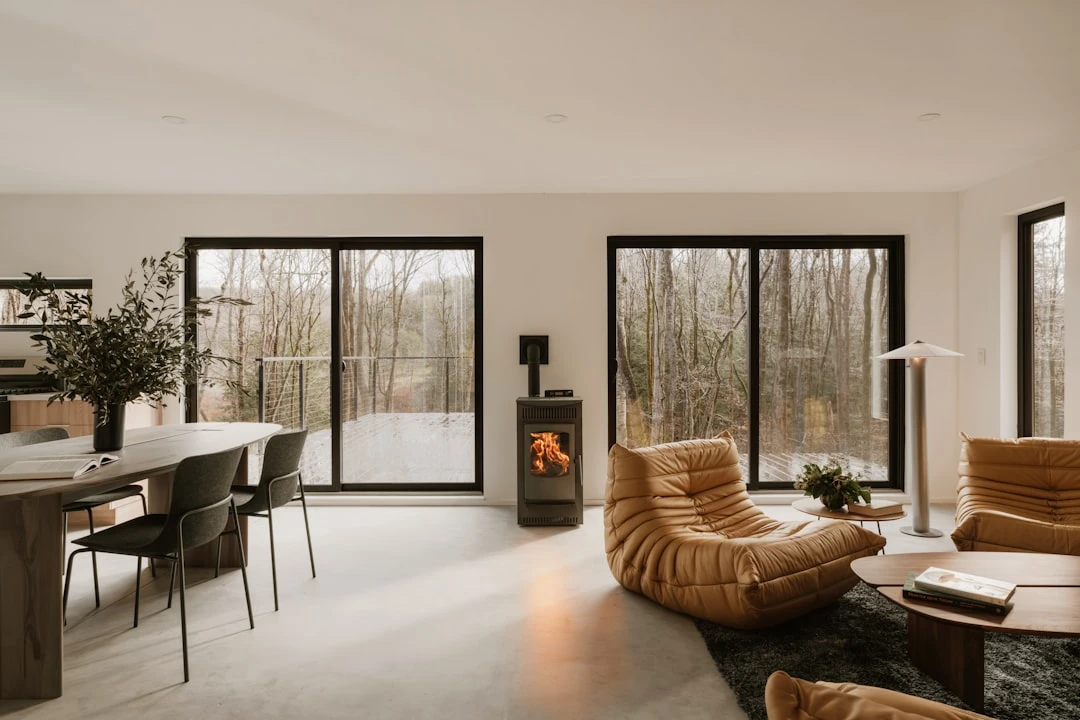
Minimalist fireplaces with clean lines, minimal decoration, and focused hearths remain popular. Two-room fireplaces, whose hearths are visible through a wall, heating two rooms at once, offer a space-saving solution. Corner and 3D fireplaces, which offer fire from multiple viewpoints, are also trendy. Integrated solutions, where fireplaces blend with other interior elements, such as bookshelves, are also popular.
Technological innovations
Modern fireplaces are equipped with automatic ignition and air flow systems and smartphone applications that allow you to control the fireplace. Hybrid heat-storing systems and more environmentally friendly combustion technologies are also in use, which reduce emissions and increase efficiency.
Is a fireplace the right choice for your home?
A fireplace adds significant value to a home both emotionally and economically. Before building a fireplace, it is important to consider what type of fireplace suits your lifestyle and needs, whether your home's structure allows for the chosen solution, what your budget and timeline are, and whether you are ready to deal with regular maintenance.
Take the first step today and seek inspiration for fireplace planning. In the Kinnisvara24 portal you can explore renovated house and new development listings, where various fireplace solutions have been used.
A fireplace is not just a heating device – it is the heart of a home that creates atmosphere, increases property value, and provides an alternative heating solution even decades later.
Search
Keywords
Most read articles
- Price per Square Meter of Apartments in Tallinn in 2025
- Apartment Market in Early 2026: Prices Rising, Transaction Activity Remains Modest

- Apartment Market in Early 2026: Prices Rise, Transaction Activity Remains Modest
- Estonian Apartment Prices and Market Expectations in 2025
- Notary Fee and State Fee – Who Pays and How Much?