Expert: Coronavirus pandemic and war in Ukraine frightened real estate markets, but by now they have adapted to the new reality
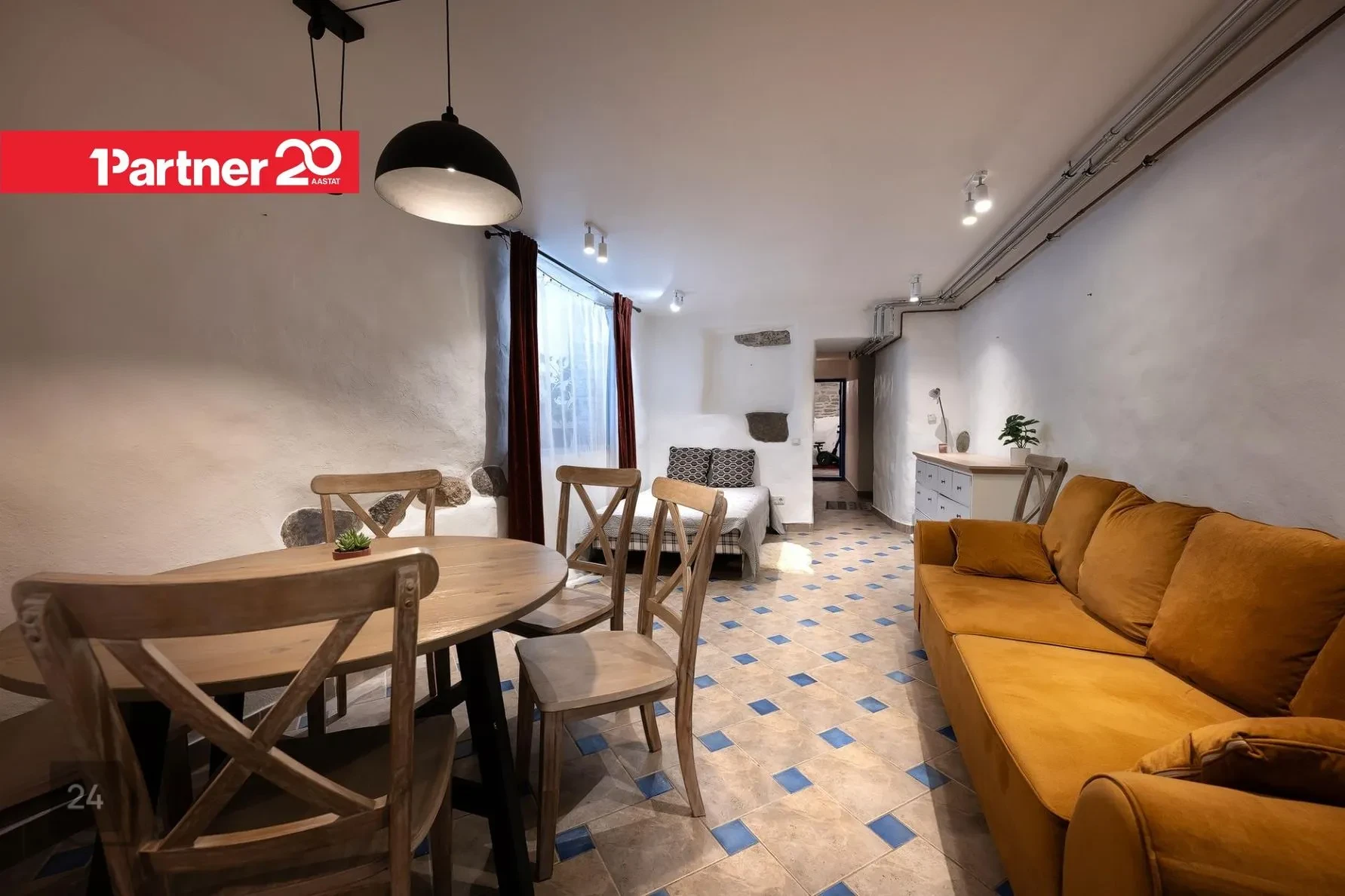
Over the past five years, people have had to live in the midst of various successive crises, but at the same time, these turbulent times have taught us a lesson that life doesn't stop and the real estate market has adapted to the new reality, says Olmer Õigus, an experienced consultant at 1Partner Real Estate.
According to the seasoned broker, the real estate market has changed due to the war in Ukraine, but it has not stopped. "Turbulent times have become a sort of new normal, and the series of crises in recent years has proven that the winners are those who don't wait for some even greater crisis that would make buying a new home cheaper and don't let fear put their future plans on hold," says Õigus, and forecasts that the current year may bring moderate market recovery and price increases.
According to Õigus, one of the main changes in the real estate market has been the more cautious behavior of foreign investors. "Estonia's location in a geopolitically sensitive area from the perspective of a distant observer has prompted foreign investors to reassess their risks. At the same time, this has created new opportunities for Estonian investors who dare to act today. Thanks to less competition from foreign investors, locals have more room and opportunities to make favorable deals. We've seen this in commercial real estate, but similar processes have occurred with residential property as well," says Õigus.
The behavior of sellers has also become more aware and thoughtful. According to 1Partner's broker, there is more variety of property on the market, including objects that were previously held mainly for emotional reasons. "Many owners want to free up some capital in uncertain times, which has brought, for example, more old cottages, country homes, and seasonal real estate objects to the market than before," says Õigus, and adds that buyers have also become noticeably more pragmatic. "Functional living spaces are preferred and emotion-based purchases are postponed. This doesn't mean the market is stalled, but it has moved toward more conservative and practical decision-making."
From time to time, there are discussions and thoughts about temporarily moving abroad, but in practice, this remains rather the choice of individual people. "The vast majority of people still don't move, and if someone does decide to leave for a while, the market situation may have changed completely by the time they return. That's why it's worth making decisions primarily with a long-term view in mind," advises Õigus. He emphasizes that although widespread uncertainty has affected sentiment, it has not paralyzed the market in the long term. "Those who wait for 'better times' may actually miss out on good opportunities. Success is achieved by those who adapt faster and don't let uncertainty put their plans on hold," he says.
Search
Keywords
Most read articles
- Price per Square Meter of Apartments in Tallinn in 2025
- Apartment Market in Early 2026: Prices Rising, Transaction Activity Remains Modest

- Apartment Market in Early 2026: Prices Rise, Transaction Activity Remains Modest
- Estonian Apartment Prices and Market Expectations in 2025
- Notary Fee and State Fee – Who Pays and How Much?