Where Does Your Electricity Go? Read Here to Find Out and How to Save
Rising electricity bills have already changed people's habits – in K-rauta stores, there has been a noticeable increase in interest in electronics and timers with better energy classes.
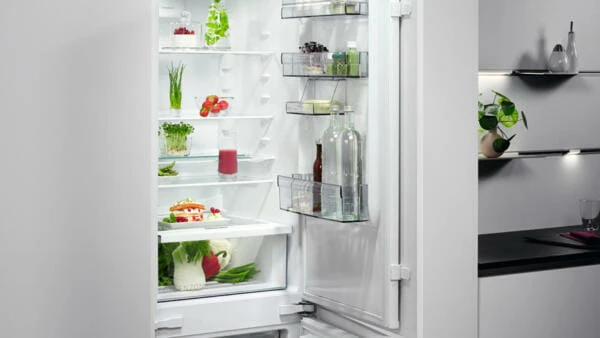
Whereas previously, when looking at home appliances, the focus was mainly on price and the features offered for that price, now questions are also being asked about the device's electricity consumption. This is considered particularly important for refrigerators, washing machines, and dishwashers. According to various estimates, a device with better efficiency can save 40-50 percent of electrical energy.
For example, an F-energy class refrigerator consumes approximately 247 kWh of electricity per year, while a D-class refrigerator uses 100 kWh less. An A-class washing machine consumes 47 kWh of electricity per 100 wash cycles, so approximately 0.47 kWh is needed per wash cycle. Meanwhile, an E-class washing machine consumes nearly twice as much energy per wash cycle, 0.83 kWh.
While the main focus at the moment is on electricity prices, there are also concerns about rising water prices, and both washing machines and dishwashers are being inquired about for economical work programs and smart features. Some washing machines, for example, have steam programs that refresh laundry without actually washing it, which saves up to 96% of water compared to a regular wash cycle. Sales staff also still sometimes need to debunk the common myth that washing dishes by hand uses less water.
Smart gadgets help save
Sales of electricity meters and timers in K-rauta stores have increased dramatically. Meters make it possible to record the exact electricity consumption of devices connected to them and identify the biggest energy vampires, while timers allow devices to be switched on and off at a predetermined time, meaning consumption can be scheduled during cheaper price windows. More and more energy-saving thermostats for heated floors and heat-reflective screens for radiators are also being added to shopping carts.
The energy class and efficiency of LED lights are also under the more critical eye of customers. According to various calculations, these allow savings of over 85 percent of energy compared to incandescent bulbs, which are still being used in homes.
Rising electricity prices are changing people's behavior, and there is also a positive side to this – saved energy also protects the natural environment.
Article author: K-rauta.ee
Search
Keywords
Most read articles
- Price per Square Meter of Apartments in Tallinn in 2025

- Apartment Market in Early 2026: Prices Rising, Transaction Activity Remains Modest
- Apartment Market in Early 2026: Prices Rise, Transaction Activity Remains Modest
- Estonian Apartment Prices and Market Expectations in 2025
- Notary Fee and State Fee – Who Pays and How Much?