Expert: Labor-intensive projects have created a new niche in the real estate market
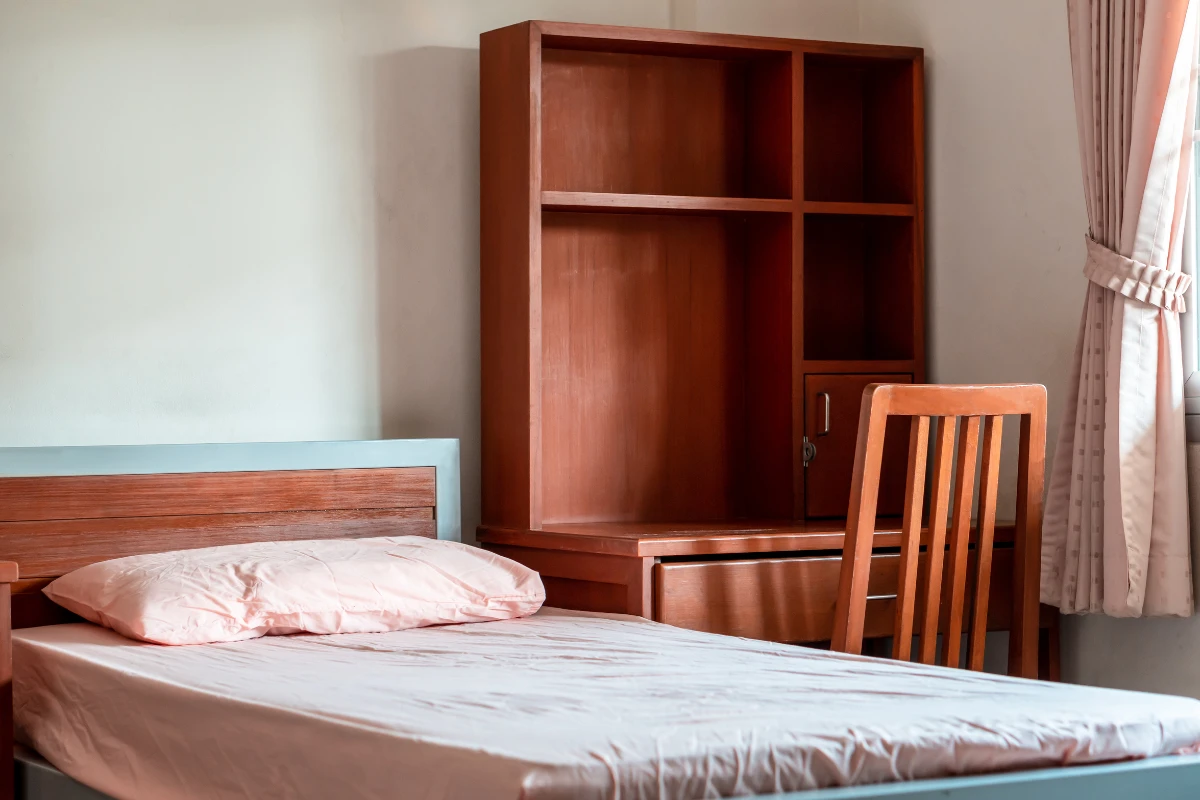
Larger industrial, logistics and infrastructure projects, as well as seasonal work and major events that require large numbers of workers at once, have brought demand to the commercial real estate market for freshly modernized dormitory-type accommodation facilities, says Arne Poel, a commercial real estate consultant at 1Partner.
According to the expert, finding suitable accommodation has been a particular challenge in the capital region for quite some time, accompanying the recruitment of suitable workers from across Estonia. "Larger manufacturing and retail companies are looking for accommodation in specific areas for years at a time. At the same time, there are employers who need to accommodate a couple of dozen people for seasonal work or hundreds of workers for just a few days to serve a major event," explains 1Partner's consultant.
For employee accommodation, private apartments and hostel rooms are used, but for larger volumes, managing such a solution quickly becomes complicated and costly for companies. "Given the prices in the Greater Tallinn area, placing tens of workers in separate rental apartments is neither particularly sensible nor manageable for a company. Accommodation may be cheaper further away, but then you add the need to organize daily transportation and longer commute times," Poel points out, and adds that for this reason, many large employers have to buy or rent accommodation for the long term.
Thus, growing demand has given new life to former hostels, dormitories and other old buildings that are increasingly being adapted for modern workforce accommodation. "For employers and labor recruitment companies, sufficient capacity and convenient access are important, as well as energy efficiency and cost-effectiveness. The more popular areas are Lasnamäe, Rae municipality, Suur-Sõjamäe and also, for example, Muuga," explains Poel, citing as an example the former Atoll Hostel building on Vana-Narva Road, which was recently converted into worker accommodation with modern kitchenettes and common areas.
Poel emphasizes that this new trend did not emerge overnight, and the need for modern workforce accommodation began to grow at the beginning of this decade when more seasonal labor from other countries started coming to Estonia. "A bigger leap occurred, of course, at the beginning of the Ukraine war, and then it became clear that Greater Tallinn lacks buildings where it would be possible to accommodate larger numbers of people at reasonable costs and in good conditions," Poel notes, predicting that the need for such accommodation will grow even further in the coming years.
Search
Keywords
Most read articles
- Price per Square Meter of Apartments in Tallinn in 2025
- Apartment Market in Early 2026: Prices Rising, Transaction Activity Remains Modest

- Apartment Market in Early 2026: Prices Rise, Transaction Activity Remains Modest
- Estonian Apartment Prices and Market Expectations in 2025
- Notary Fee and State Fee – Who Pays and How Much?