Expert: What to Know About Condominium Association Insurance
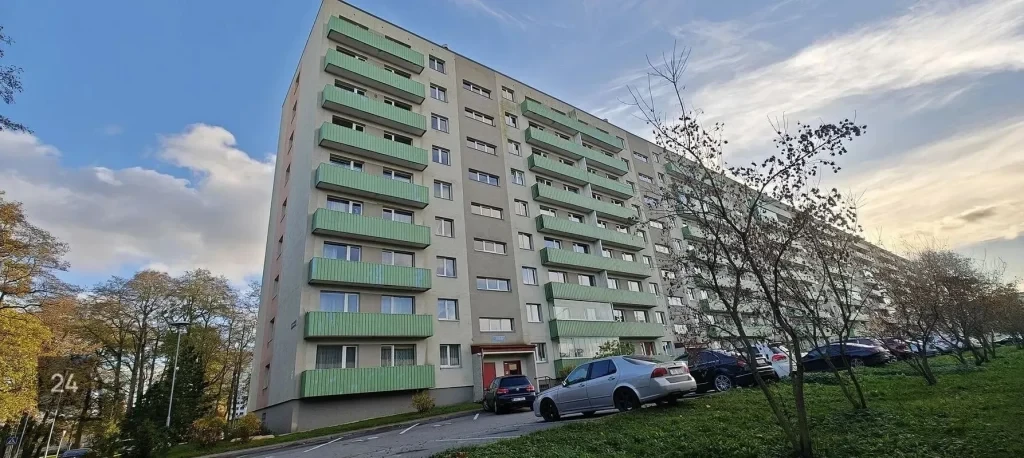
In Estonia, there are approximately 11,000 condominium associations that have not insured the apartment buildings they manage. According to BTA insurance statistics, almost half of the associations are uninsured. What should apartment owners know about condominium association insurance and property insurance?
"One plus one does not equal two when it comes to insuring an apartment building. Even if all apartments are covered with home insurance protection, half of Estonian apartment buildings have all those building parts uninsured that do not belong to any specific apartment," explained Gerli Mae-Vello, BTA's liability insurance and special risks assessor.
According to Mae-Vello, condominium association insurance covers the common ownership of apartment owners, which includes building parts such as the roof, foundation, load-bearing walls, stairwells, elevators, and shared technical systems (electricity, water, heating, etc.). Additionally, it is possible to insure fences, gates, playgrounds, and other facilities on the property.
When insuring condominium associations, it is important to provide an adequate overview of the building's condition
A well-known example from Tallinn shows a case where the post-fire dispute process for an apartment building took over two years before compensation began and led to court disputes between apartment owners and insurance companies. However, the basis of the dispute is actually condominium association insurance, which is a dispute between the association and its company. This can happen if the condominium association has failed to take out insurance or the selected insurance amount does not correspond to the actual reconstruction value or volume of all the parts in common ownership in general.
"It is important that the insurance company is given as adequate an overview as possible of the apartment building's condition. This means that the representative of the condominium association must be confident that the data sent corresponds to reality and the property insurance sum specified in the insurance offer corresponds to the building's actual reconstruction value," emphasized Mae-Vello.
"If necessary, the condominium association may consult with specialists to properly assess the reconstruction value of the parts in common ownership of their apartment building. Generally, the insurance company also draws attention to the fact that if the reconstruction value indicated in the insurance application does not correspond to the insurance company's assessment of reality and there is a risk of underinsurance," explained the BTA liability insurance and special risks assessor.
Most common condominium association insurance claims
The most common insurance claims that condominium associations encounter are related to water damage. "Pipe leaks or heating system failures are very frequent problems that cause significant damage to both common property and the interior furnishings of apartments," described BTA insurance risk assessor Mae-Vello and added that in addition to water damage, storm damage and vandalism are also common. "The damage caused by fire has the greatest impact, both financially and emotionally," she noted.
Insurance provides peace of mind so that in case of major damage, apartment owners do not face financial hardship. For example, if the building's common property is damaged in a fire, insurance covers the costs of its restoration, which would otherwise have to be covered jointly by all owners. "Condominium association insurance is not only protection against unexpected accidents, but it is also a guarantee of the apartment owners' financial security and peace of mind," confirmed Mae-Vello.
However, it is worth noting that the age and condition of the building play a significant role in determining the terms and price of the insurance contract. "Very old and completely unrenovated apartment buildings may be avoided by insurance companies if the building's technical systems are in poor condition," noted Mae-Vello. "Therefore, it is important that the condominium association keeps its building in good condition and provides the insurance company with an accurate overview of the building's condition."
Limitations and exclusions in condominium association insurance contracts
Condominium association insurance contracts have certain limitations and exclusions that must be taken into account. For example, typically only damage caused by water that has penetrated the building through the roof or structure for the first time is compensated. "If water penetrates the building repeatedly from the same place, the insurance company may no longer compensate for the damage, as it is no longer an unexpected event," explained Mae-Vello from BTA insurance and clarified that every cause of damage must be eliminated immediately and it is reasonable to inspect the entire roof or ventilation openings of the building, not just the specific spot where water entered, to avoid the same damage occurring in another part of the building.
Frequently, compensation for damage caused during repair and reconstruction work is also limited, and certain risks, such as electrical failures or flooding, may have a compensation limit.
However, condominium association liability insurance covers damage caused to third parties, for example, if a person who slips on an icy path in front of the building gets injured or if an icicle falls on a car. This emphasizes why apartment building insurance is important. "This is particularly important because the condominium association is also responsible for the safety of the building's surroundings," adds Mae-Vello.
Right steps to mitigate risks associated with condominium associations
Condominium associations can take several steps themselves to reduce risks and make obtaining insurance coverage easier. "It is important to ensure the durability and safety of the building by regularly performing necessary maintenance work and following the requirements applicable to construction and renovation work," emphasizes Mae-Vello. Additionally, apartment owners must be careful with their apartment building and notify the condominium association's board immediately if they notice damage or signs of danger.
Before concluding an insurance contract, the condominium association must carefully read the contract terms and ensure that the insurance amounts specified in the insurance offer cover the building's actual reconstruction value. "The insurance company may require additional documents and photos of the building's condition to make a suitable insurance offer for apartment building insurance," explains Mae-Vello.
If an accident still occurs
In case of a damage claim, the condominium association must notify the insurance company at the first opportunity and submit all necessary documents regarding the causes and circumstances of the claim. "The length of the processing time depends on the complexity and scope of the case, but the insurance company does everything in its power to ensure that damage compensation takes place as quickly as possible," adds Mae-Vello when commenting on condominium association insurance.
Condominium association insurance is an important investment that protects the common property of apartment owners against unexpected and unforeseen events. Insurance helps avoid major financial losses and ensures that building restoration is possible without apartment owners having to spend large sums from their own pockets. Therefore, it is wise to consider taking out both property insurance and liability insurance to ensure the best possible protection.
Search
Keywords
Most read articles
- Price per Square Meter of Apartments in Tallinn in 2025

- Apartment Market in Early 2026: Prices Rising, Transaction Activity Remains Modest

- Apartment Market in Early 2026: Prices Rise, Transaction Activity Remains Modest
- Estonian Apartment Prices and Market Expectations in 2025

- Notary Fee and State Fee – Who Pays and How Much?